

Food plays a central role in almost every New Year’s celebration around the world. Beyond simply satisfying hunger, many cultures believe that eating certain foods on New Year’s Eve or New Year’s Day can set the tone for prosperity, health, and happiness in the year ahead. These traditions, often passed down for generations, bring families together around the table with hopes of fortune and blessings.
Food plays a central role in almost every New Year’s celebration around the world. Beyond simply satisfying hunger, many cultures believe that eating certain foods on New Year’s Eve or New Year’s Day can set the tone for prosperity, health, and happiness in the year ahead. These traditions, often passed down for generations, bring families together around the table with hopes of fortune and blessings.
When it comes to good luck foods for New Years, the dishes vary by culture but share a common thread: symbolism. From the coin-like shape of lentils in Italy to the leafy greens representing money in the American South, every plate carries meaning. Let’s dive into some of the most iconic good luck foods and their fascinating stories.
1. Grapes: Spanish New Year’s Eve Custom

In Spain, it’s customary to eat twelve grapes at midnight on New Year’s Eve — one for each stroke of the clock. This tradition, known as Las Doce Uvas de la Suerte (“The Twelve Grapes of Luck”), began in the early 1900s as a clever way for Spanish grape farmers to sell surplus harvests.
Each grape represents good fortune for the corresponding month of the new year. Eating all twelve successfully before the final chime is said to guarantee prosperity. Today, the tradition has spread to Latin America and beyond.
If you want to take part in the Spanish grape tradition, a few simple tips can make the experience much easier and more enjoyable. It’s best to prepare in advance by choosing seedless grapes, peeling them ahead of time, and placing them in a small cup for easy access. With these tips in mind, you’ll find it much easier to keep pace with the twelve clock chimes and focus on the joy of the moment, rather than worrying about seeds or skins slowing you down.
2. Black-Eyed Peas: Southern United States Tradition
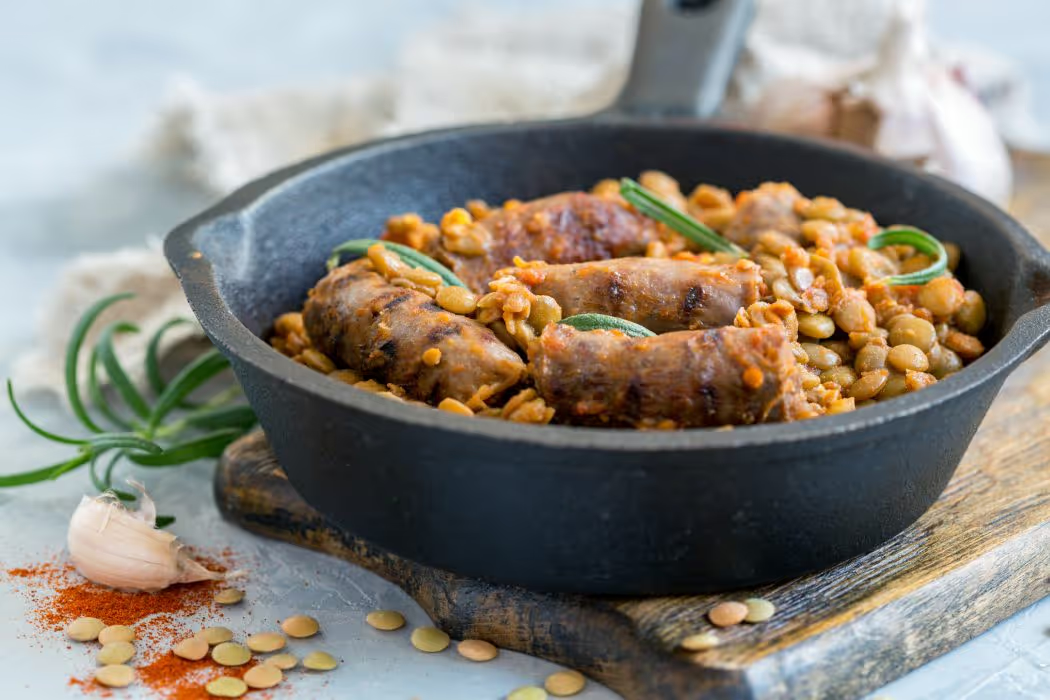
In the American South, black-eyed peas are one of the most iconic foods served on New Year’s Day. Their role in the tradition dates back to the Civil War era, when Union troops raided Confederate food supplies but left behind black-eyed peas and salted pork. Once considered “animal food,” these humble legumes became a vital source of survival. Over time, they came to symbolize resilience, renewal, and good fortune, eventually becoming a staple in Southern holiday tables.
The symbolism of black-eyed peas goes hand in hand with other traditional accompaniments. In Southern culture, the peas are said to represent coins, collard greens stand for paper money, and golden cornbread symbolizes wealth. Together, they create a meal designed to usher in prosperity for the new year.
Perhaps the most famous dish featuring black-eyed peas is Hoppin’ John, a hearty blend of peas, rice, and smoked pork. To make it, peas are simmered with ham hock or bacon for a smoky depth of flavor, then combined with rice and seasoned with onion, pepper, and cayenne. Served alongside collard greens and cornbread, Hoppin’ John is more than just comfort food — it’s a symbolic feast, carrying the hopes of wealth, health, and happiness into the year ahead.
3. Greens: Representing Wealth and Economic Prosperity
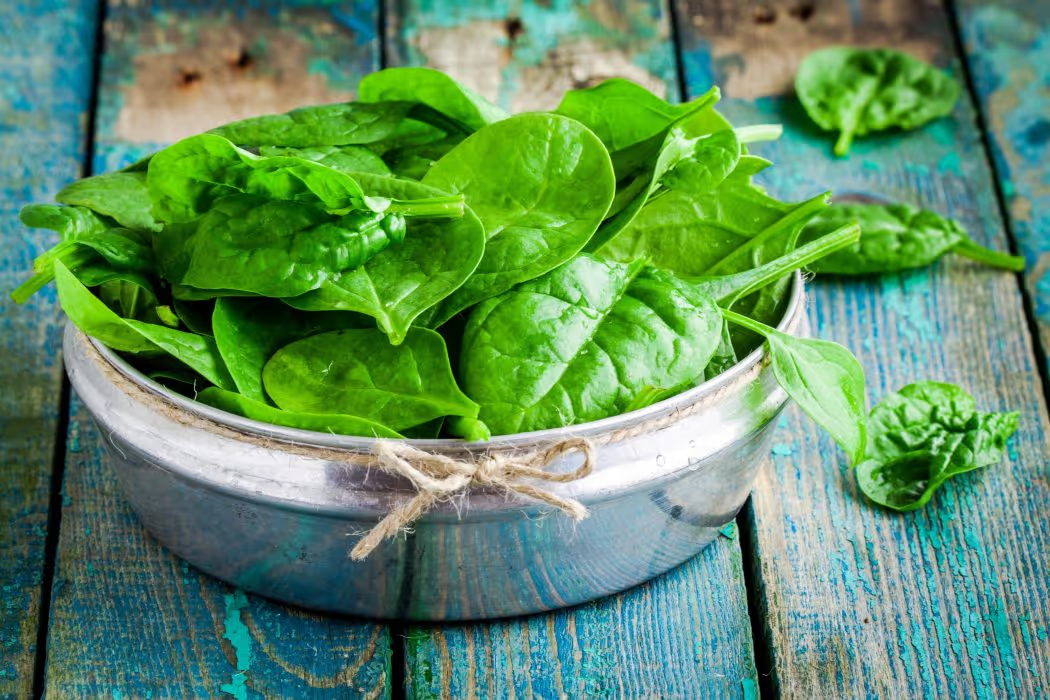
In the Southern United States, no New Year’s Day table feels complete without a pot of leafy greens simmering on the stove. Collard greens, kale, and cabbage are the most common choices, each believed to represent wealth and prosperity in the year ahead. The symbolism comes from the greens’ folded leaves, which resemble paper currency. Just as money is essential for security and growth, greens on New Year’s are thought to invite financial stability and abundance.
While the symbolism is meaningful, the flavor is just as important. A classic preparation is Southern-style collard greens, which have been enjoyed for generations. To make them, a large bunch of collard greens is thoroughly washed and chopped before being simmered slowly with a smoked turkey leg or ham hock. The smoked meat adds depth and richness, while diced onions, a splash of vinegar, and a touch of red pepper flakes balance the dish with tang and spice. Cooking the greens low and slow ensures they become tender and infused with flavor.
Traditionally, collard greens are served alongside black-eyed peas and cornbread, forming a trio of good luck foods that symbolize money, coins, and gold. Together, they create not only a hearty Southern feast but also a hopeful ritual for prosperity in the new year.
4. Lentils: Italian Tradition for Wealth
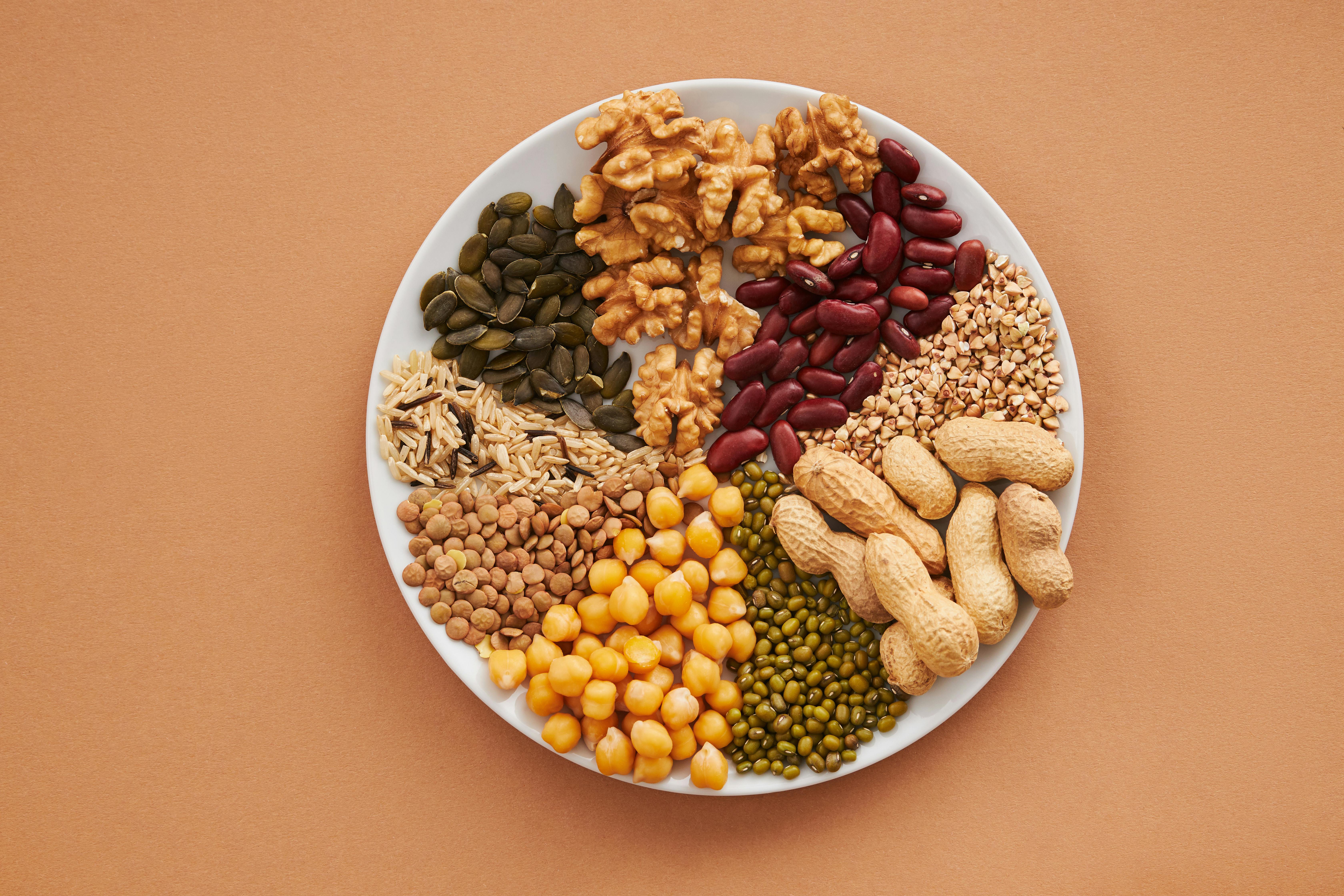
In Italy, lentils are more than just a meal; they are a cherished New Year’s tradition rooted in centuries of symbolism. Their small, round, coin-like shape makes them a natural representation of money, and eating them at the turn of the year is believed to invite wealth and prosperity. Whether enjoyed on New Year’s Eve, known as Capodanno, or on New Year’s Day, a plate of lentils is considered a powerful way to ensure financial fortune in the year ahead.
One of the most traditional and beloved dishes served during this time is Cotechino con Lenticchie. This hearty meal pairs cotechino, a rich and flavorful pork sausage, with a bed of lentils. The pairing is deeply symbolic: pork represents progress and moving forward, while lentils signify coins and financial abundance. The dish is typically slow-cooked, allowing the flavors of the sausage to infuse the lentils, creating a comforting and celebratory meal.
Beyond the table, lentils also play a role in Italian gift-giving traditions. At the start of the year, small pouches filled with dried lentils are often exchanged among family and friends as tokens of good wishes for abundance and prosperity. In Italy, lentils are truly a dish of hope, fortune, and generosity.
5. Fish: Abundance and Fertility Symbolism
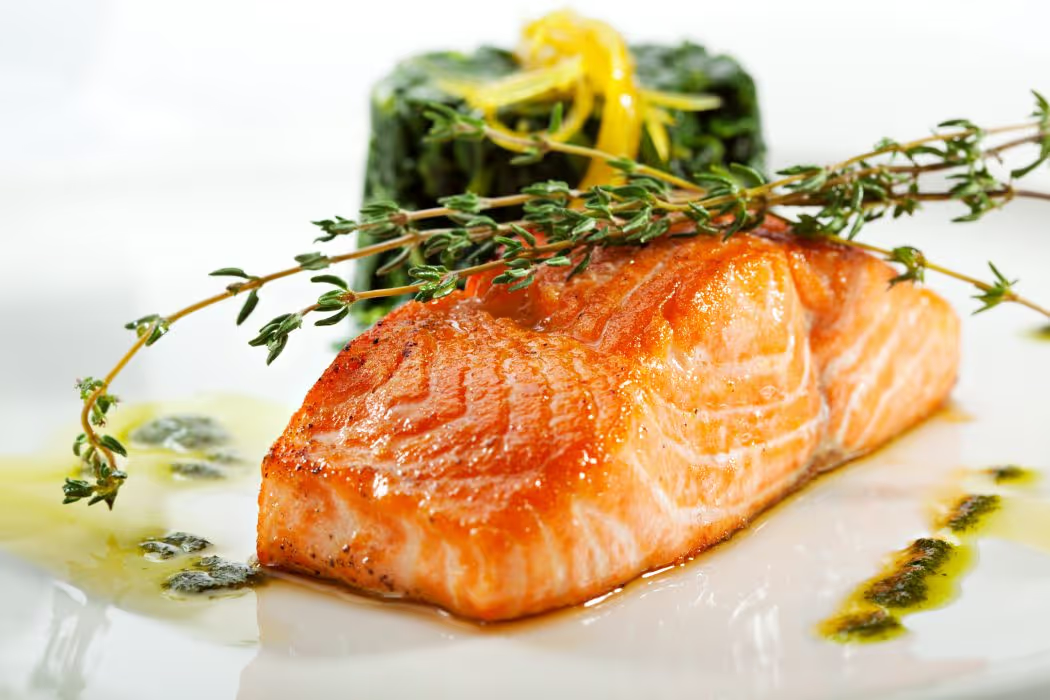
Fish has long been regarded as a food of good fortune during New Year’s celebrations across many cultures, thanks to its rich symbolism. The shiny scales of fish resemble coins, making them a natural representation of wealth, while their ability to swim forward is seen as a sign of progress and moving confidently into the future. In some traditions, fish also symbolize fertility and abundance, making them a fitting centerpiece for a meal that welcomes a new beginning.
Different countries celebrate with their own fish-based dishes. In Japan, herring roe is enjoyed as a symbol of fertility, while sea bream, known as tai, is served because its name sounds similar to the word for “celebration.” In Scandinavia, pickled herring is eaten at midnight to ensure prosperity and good luck in the coming year. Across Eastern Europe, carp or cod are traditional favorites, often prepared whole to emphasize the idea of completeness and abundance.
A simple yet meaningful option is Baked Salmon with Lemon and Dill, which is both festive and symbolic. The salmon’s richness, paired with fresh herbs and citrus, creates a dish that feels celebratory while carrying centuries of cultural meaning. Serving fish at New Year’s remains a delicious way to invite prosperity and growth into the months ahead.
6. Pork: Symbol of Progress and Prosperity
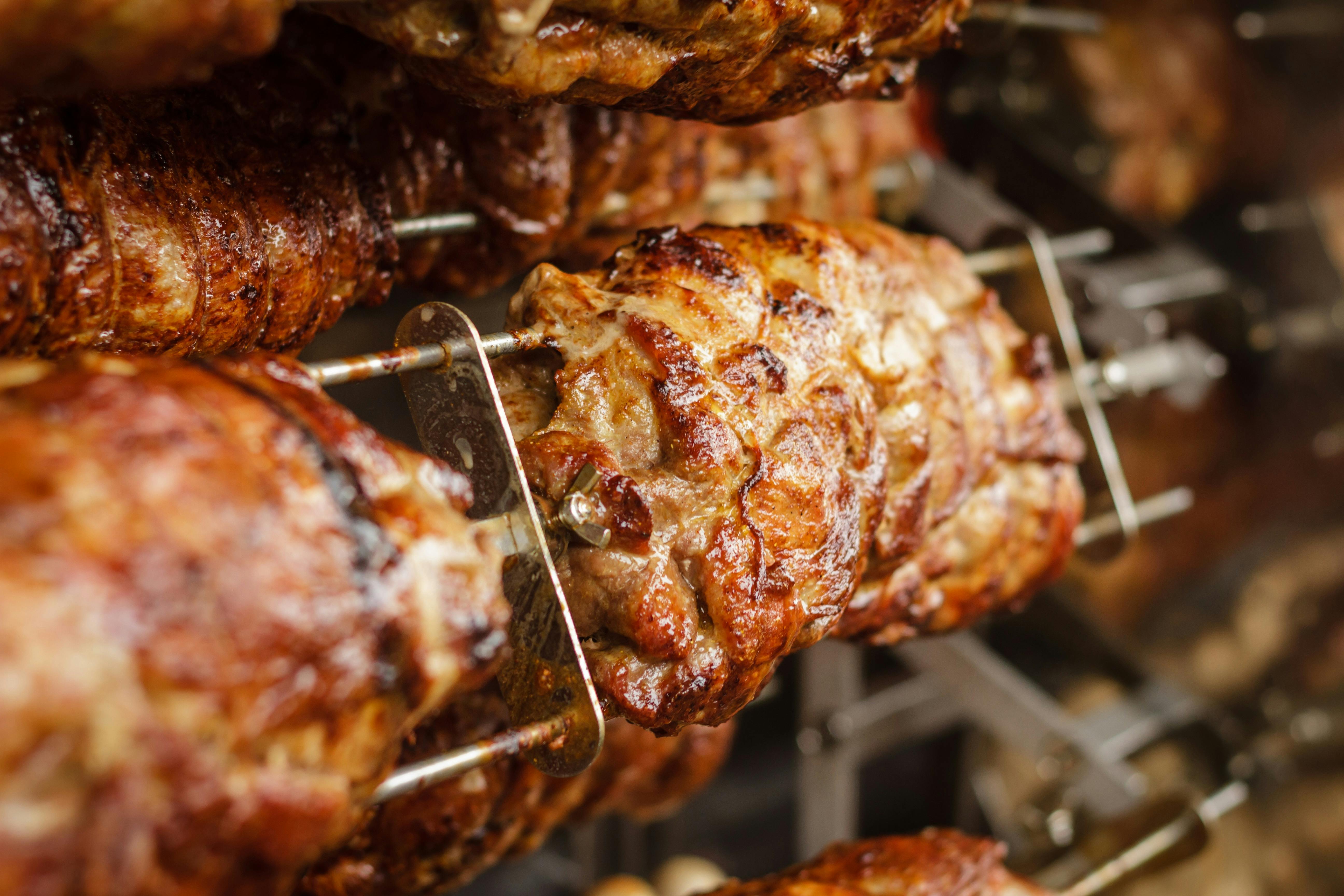
For centuries, pork has been regarded as a symbol of good fortune and progress, which is why it remains a centerpiece on New Year’s tables around the world. The pig’s habit of rooting forward, unlike chickens or turkeys that scratch backward, has long been seen as a metaphor for moving ahead into the future. Its plumpness is also viewed as a sign of abundance, making pork an ideal dish for welcoming prosperity in the year to come.
Different cultures have their own takes on pork during New Year’s celebrations. In Germany and Austria, roast pork with sauerkraut is a classic pairing, the shredded cabbage symbolizing long life and blessings as plentiful as its strands. In Italy, pork sausages are served with lentils, the round legumes representing coins and wealth. Across Cuba and Latin America, a whole roasted pig becomes the highlight of family gatherings, signifying both abundance and unity.
One beloved dish is Roast Pork with Sauerkraut. A pork shoulder is seasoned with garlic, caraway seeds, and herbs, then roasted until golden and tender. The sauerkraut, often simmered with onions and apples, provides a tangy balance. Together, the flavors reflect a rich tradition of feasting while inviting luck and prosperity for the new year.
Other Notable Good Luck Foods
Beyond the well-known staples of New Year’s tables, several other foods are cherished for their symbolic meanings. In China, noodles are considered a must during New Year celebrations, often referred to as longevity noodles. They are served long and uncut, as their length represents a wish for a long and healthy life. Cutting them short is thought to cut one’s fortune, so they are carefully enjoyed whole.
In the Mediterranean and Greek regions, pomegranates are a powerful symbol of fertility, abundance, and renewal. Families often break open a pomegranate at midnight, with its many seeds representing prosperity and the promise of a fruitful year.
Meanwhile, in the Southern United States, cornbread completes the traditional New Year’s trio of black-eyed peas and collard greens. Its golden hue symbolizes wealth, with each slice said to invite financial prosperity. Together, these foods highlight how cultures everywhere infuse meaning into meals that mark new beginnings.
Regional Variations and Modern Adaptations
As times change, New Year’s food traditions continue to evolve with modern tastes and lifestyles. Many families now adapt classic recipes to fit dietary preferences, such as replacing pork in dishes like Hoppin’ John with plant-based alternatives. Others bring a creative twist by blending flavors across cultures, turning lentils into tacos or transforming collard greens into vibrant stir-fries. In Spain and Latin America, the custom of eating twelve grapes has even merged with toasting sparkling wine at midnight, combining two festive rituals. At its heart, food remains a universal symbol of connection, hope, and shared prosperity.
From black-eyed peas in the South to grapes in Spain and lentils in Italy, these good luck foods for New Years remind us that what we eat can carry deep meaning. Whether you’re drawn to symbolism, flavor, or the joy of tradition, incorporating these dishes into your New Year’s celebration can be a delicious way to welcome prosperity and happiness.
If you’re passionate about learning more about culinary traditions or want to refine your cooking skills, I highly recommend checking out ICCA Dubai — a world-class culinary school that helps food enthusiasts and professionals alike master the art of global cuisines.
Start your year with good food, good fortune, and maybe even a new cooking adventure!
.jpg)
.jpg)

.jpg)
.jpg)
.jpg)

