If you love food and spend time watching cooking videos, you have probably noticed people using the words chef and cook as if they mean the same thing. I used to do it too. But once you step behind the scenes of a professional kitchen, you quickly learn that chef vs cook is not just a matter of vocabulary. These two roles have different responsibilities, expectations and career paths. In the first 100 words itself, let me say this clearly. The difference between a chef and a cook is much bigger than it appears from the outside. Understanding what separates these roles helps anyone who dreams of working in the culinary industry or plans to become a professional chef one day.
Definition of a Cook
A cook is someone who prepares food according to recipes, instructions or set menus. The role focuses on hands-on culinary tasks rather than creative or managerial responsibilities.
What cooks usually do:
- Chop, slice and prep ingredients
- Cook food to order
- Follow standard recipes
- Maintain cleanliness and hygiene
- Assist senior staff with prep work
- Plate dishes based on preset guidelines
Cooks work in many different places. These include restaurants, cafeterias, catering companies, food trucks and private households. A cook is essential to a kitchen because they handle the practical daily tasks that keep service running smoothly.
Definition of a Chef

A chef is a trained culinary professional responsible for creating dishes, designing menus, managing kitchen teams and maintaining quality across every plate that leaves the pass.
[Insert Image: Executive chef reviewing a menu plan with sous chefs in a commercial kitchen]
What is the difference between a chef and a cook?
This is one of the most common questions people ask. A cook prepares food. A chef conceptualizes, leads and manages the entire cooking process.
Chef roles within kitchen hierarchy:
- Executive Chef
- Head Chef
- Sous Chef
- Chef de Partie
- Pastry Chef
- Commis Chef
Each role has different levels of responsibility and authority. For example, a sous chef supervises service, while an executive chef oversees full kitchen operations and menu development.
Education and Training

Education is one of the biggest differences between a chef and a cook.
Chefs
Chefs usually complete formal culinary training. This includes:
- Professional chef diplomas
- Culinary school programs
- Advanced cooking techniques
- Food safety certifications
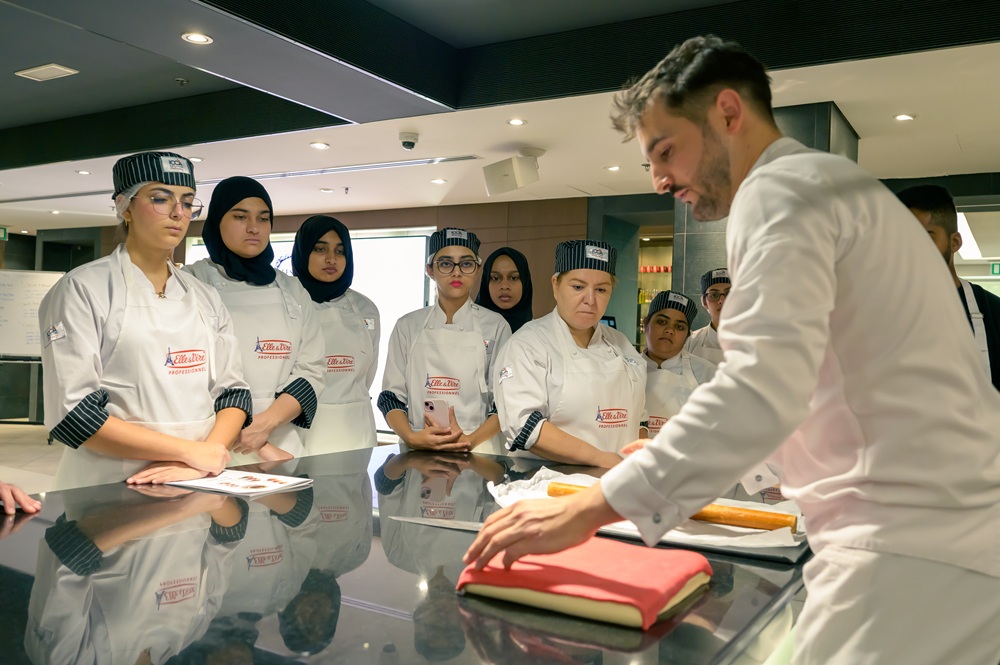
Training at renowned institutions like ICCA Dubai helps aspiring chefs build strong foundations while gaining hands-on experience in world class kitchens.
Internal link: Learn more about ICCA’s Professional Programs: https://www.iccadubai.ae/professional-program
Cooks
Cooks often learn through:
- On the job training
- Apprenticeships
- Shadowing senior kitchen staff
- Self taught practice at home
Many cooks eventually decide to join culinary school to build stronger skills and move into chef level roles.
Skill Set and Expertise
The skill difference between chef vs cook becomes clearer when you compare what each role requires.
Skills needed for cooks:
- Knife skills
- Basic cooking techniques like sautéing and boiling
- Ability to follow recipes
- Understanding of hygiene rules
Skills needed for chefs:
- Menu planning
- Recipe development
- Understanding of flavor profiles
- Kitchen management
- Cost control and inventory
Leadership and team coordination
Career Progression
A cook can absolutely become a chef. In fact, many award winning chefs started as dishwashers or prep cooks.
Typical path:
- Prep Cook
- Line Cook
- Chef de Partie
- Sous Chef
- Head Chef
- Executive Chef
Growth depends on experience, dedication and continuous learning. Many chefs keep training throughout their careers because food trends evolve constantly.
Internal link: Read more culinary insights on ICCA’s blog: https://www.iccadubai.ae/blog
Responsibilities and Roles
Cooks
- Prepare ingredients
- Follow assigned recipes
- Maintain cleanliness
- Ensure consistency
Chefs
- Create menus
- Supervise cooks
- Train junior staff
- Handle quality checks
- Manage kitchen operations
- Communicate with procurement and management teams
Chefs carry creative and administrative responsibilities while cooks handle execution.
Work Environment and Conditions
Both chefs and cooks work in high pressure environments, but the stress levels may vary.
Cooks
- Follow instructions
- Work mostly during service hours
- Less administrative responsibility
Chefs
- Long hours
- Menu development tasks
- Managing staff
- Handling complaints
- Planning inventory and supplies
Salary and Job Outlook
Salaries differ based on experience, location and type of establishment.
Is chef higher than cook?
Yes. Both in salary and responsibility.
Job demand remains strong as the hospitality industry grows across hotels, restaurants and catering businesses.
Professional Recognition and Titles
In professional kitchens, titles matter because they define hierarchy and responsibilities.
Chefs earn their titles through:
- Training
- Experience
- Skills
- Leadership
A cook usually earns the title of chef after demonstrating creativity, mastery of techniques and the ability to lead.
Can a cook call themselves a chef?
Technically, yes. But in the culinary world, the title is respected and usually given based on merit.
Leadership and Team Dynamics
Chefs are responsible for building a strong kitchen team.
Key leadership duties:
- Training junior cooks
- Delegating tasks
- Maintaining discipline
- Ensuring teamwork during peak hours
- Coaching staff through mistakes
A chef sets the tone for the kitchen culture.
Kitchen Management
Running a kitchen is much more than cooking.

Chef level management tasks:
- Cost control
- Ordering supplies
- Managing inventory
- Ensuring food safety
- Coordinating with service staff
- Maintaining consistency
Cooks usually support these tasks but do not manage them.
Specializations and Niches
Chefs can specialize in many areas.
Chef specializations:
- Pastry
- Bakery
- Garde manger
- Butchery
- Chocolate
- Executive leadership
- Hot kitchen
- Cold kitchen
Cooks can specialize too, especially if they decide to train further.
FAQs
1. What is the difference between a chef and a cook?
A chef designs, leads and manages kitchen operations while a cook prepares food according to recipes.
2. Is chef higher than cook?
Yes. Chefs hold senior roles and carry more responsibility.
3. What is the difference between a chef and a line cook?
A line cook is a cook who focuses on preparing specific dishes during service. A chef manages the entire kitchen.
4. Can a cook call themselves a chef?
Yes, but the title is typically earned through experience, training and leadership.
5. Do chefs earn more than cooks?
Chefs usually earn higher salaries due to their advanced skills and managerial duties.
6. Can a cook become a chef without formal training?
Yes. Experience, mentorship and dedication can help a cook rise to chef level, but culinary school makes the journey faster.
Train to Become a Professional Chef at ICCA Dubai
If you want to move from cook to chef or start your culinary career with confidence, ICCA Dubai offers internationally accredited programs that prepare you for real industry success. Learn from expert chef instructors in world class training kitchens and gain the skills needed to excel in the global hospitality industry.
Explore programs here

.jpg)