

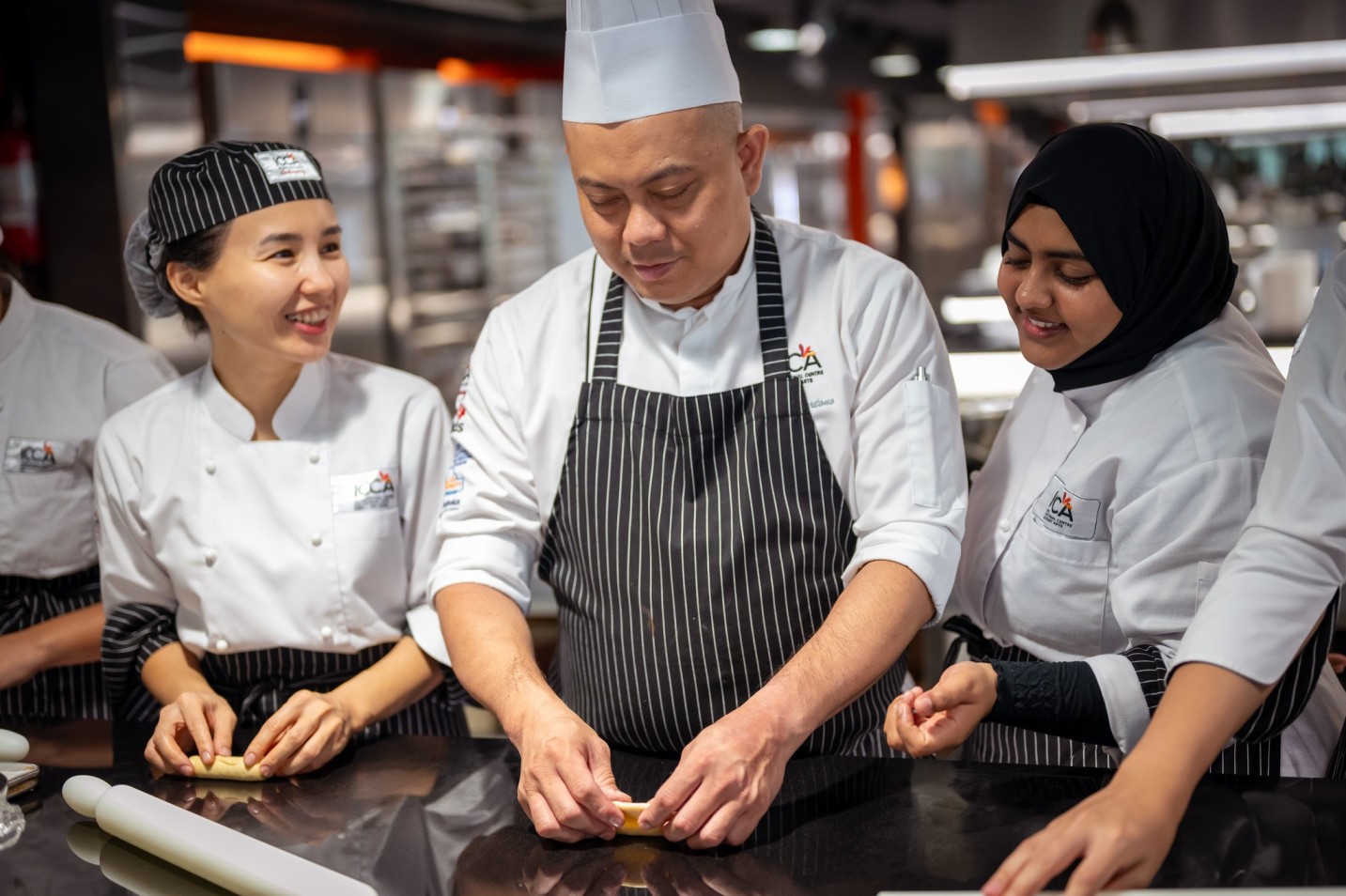
How Long Does Culinary School Take?
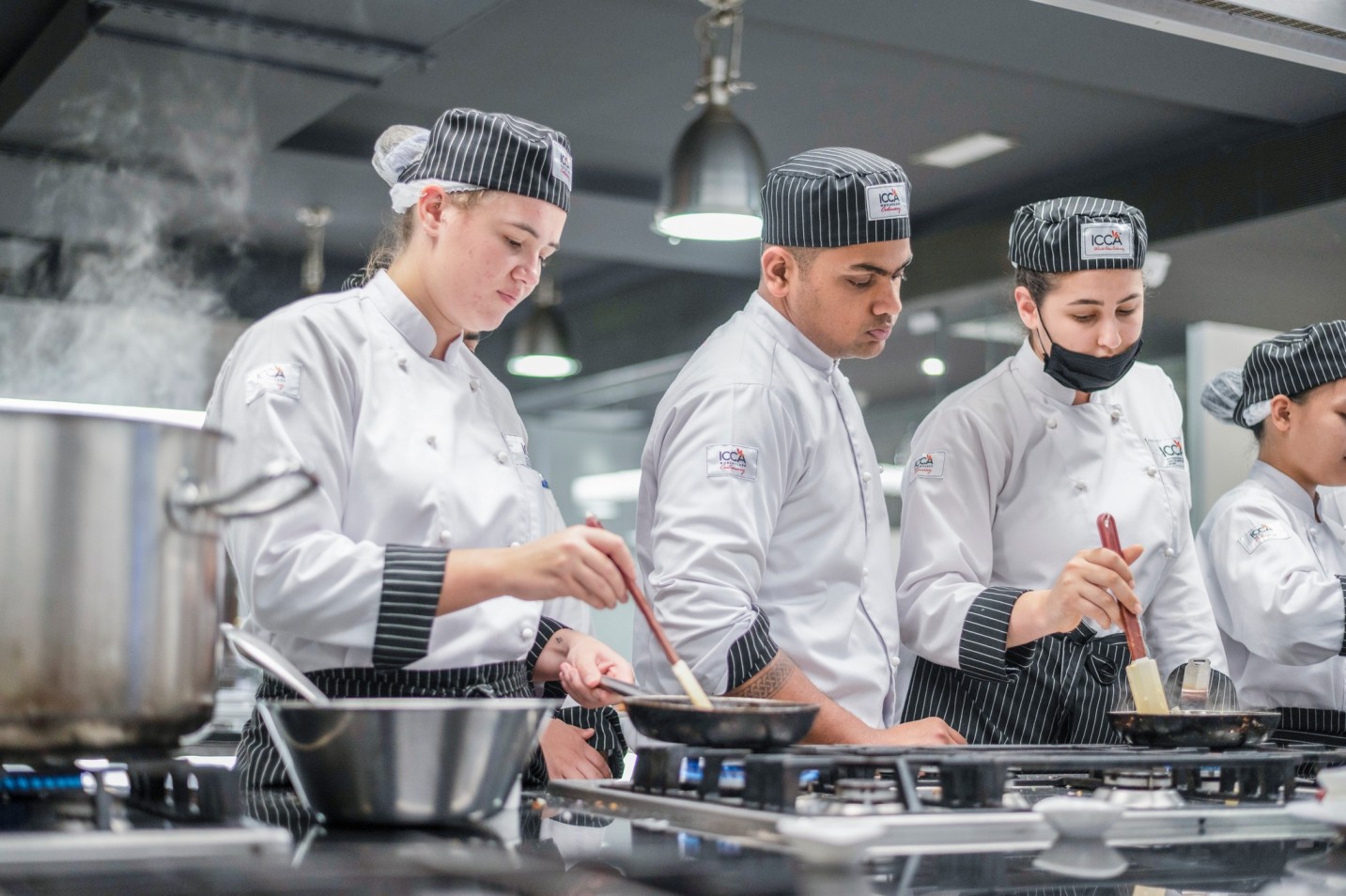
So, how long does culinary school take exactly? On average, programs can last:
- Certificate or Diploma Programs – 3 months to 1 year
- Associate Degrees – About 2 years
- Bachelor’s Degrees – 3 to 4 years
- Master’s Degrees – 1 to 2 additional years
The duration also depends on your schedule. Many culinary schools offer full-time, part-time, or accelerated programs, allowing you to complete training at your own pace. For example, if you choose a certificate program in baking, you might finish in under a year, while a bachelor’s in culinary arts could take four years but include management and hospitality training as well.
Types of Culinary Programs
Certificate Programs
These short-term courses are designed for beginners or professionals seeking a quick skill boost. Programs often cover essentials like knife skills, basic cooking methods, and food safety. Certificate programs are especially popular among those interested in baking and pastry arts, with many people asking, how long is pastry school? The answer is typically 6 months to 1 year for focused pastry diplomas.
Associate Degrees
An associate degree usually spans two years and includes hands-on training in classical cooking techniques, regional cuisines, and baking, combined with courses in nutrition and kitchen management. Graduates often start as line cooks, sous chefs, or bakers.
Bachelor’s Degrees
A 3–4 year program, a bachelor’s degree dives deeper into advanced culinary techniques, food science, gastronomy, and business courses like accounting, marketing, and hospitality management. This track is ideal for those aiming for leadership positions or wanting to eventually run their own restaurant.
Master’s Degrees
For those looking to specialize further, a master’s program adds 1–2 years and often emphasizes research, innovation, and leadership in food and hospitality. These programs are less common but offer prestige and expertise for executive-level careers.
Curriculum Components
Culinary school is about much more than chopping onions or baking bread. Most programs weave together a strong foundation of core cooking skills, including knife techniques, sautéing, roasting, baking, pastry making, and exposure to international cuisines. Alongside this, students gain essential supplementary knowledge such as nutrition, food safety, sustainability, and gastronomy, ensuring they understand the science and responsibility behind food. To round out their training, many programs also incorporate business and management courses, covering areas like menu planning, food costing, leadership, and human resources. This holistic approach ensures that graduates leave school prepared not only to excel in the kitchen but also to confidently run and manage successful culinary operations.
Costs of Culinary School
One of the most important factors students consider is cost. Tuition varies widely:
- Certificate programs may cost $5,000 – $15,000.
- Associate degrees can range between $20,000 – $35,000.
- Bachelor’s degrees often cost $40,000 – $100,000, depending on the institution.
Beyond tuition, students should also account for extra costs like uniforms, knives, textbooks, and ingredients, which can add thousands to the overall expense. Fortunately, scholarships, grants, and financial aid are often available, and many employers in hospitality sponsor staff for formal training.
Although the cost may feel overwhelming, culinary school is ultimately a long-term investment. The skills, industry connections, and credibility gained can open doors to careers in fine dining, luxury hotels, or entrepreneurial ventures—making the value of structured training well worth it.
Is Culinary School Worth It?
Some people wonder if culinary education is truly necessary when so many chefs learn on the job. While self-taught paths exist, formal culinary school offers structured learning, networking, and mentorship opportunities that are hard to replicate. Graduates often land better-paying jobs and have more options for career advancement. As Thomas Keller once said, “A recipe has no soul. You, as the cook, must bring soul to the recipe.” Culinary school helps you develop both technique and soul in your cooking.
Admission Requirements
Most schools require:
- A high school diploma or equivalent.
- Basic English proficiency (especially in international programs).
- In some cases, prior kitchen experience.
Applicants typically submit transcripts, an application form, and sometimes a statement of intent outlining their culinary goals.
Choosing the Right Culinary School
When selecting a school, consider:
Accreditation
The first thing to look for in a culinary school is accreditation. This ensures that your degree or certificate is officially recognized and holds weight in the industry. Accredited programs also meet strict quality standards, giving students confidence that their training will be respected by future employers.
Faculty Expertise
Equally important is the expertise of the faculty. Chefs who bring years of real-world experience into the classroom can provide invaluable mentorship, practical insights, and professional guidance that go beyond textbooks.
Alumni Success
A strong alumni network is often a reflection of a school’s impact. If graduates are working in top restaurants, luxury hotels, or running successful food businesses, it shows the institution’s ability to prepare students for diverse culinary careers.
Location
Finally, location plays a significant role. Studying in culinary hubs like Dubai, Paris, or New York not only exposes students to vibrant food cultures but also provides opportunities to network, intern, and gain inspiration from some of the world’s best kitchens.
Life in culinary school is a rewarding journey filled with hands-on learning, creativity, and teamwork. Students spend their days practicing essential cooking techniques, experimenting with flavors, and gaining exposure to international cuisines, all under the guidance of experienced chefs. Beyond the kitchen, theory classes on nutrition, food safety, and management build a strong foundation for a professional career. While the schedule can be intense, the fast-paced environment mirrors real-world kitchens, preparing students for future challenges. Many also enjoy internships or part-time roles, adding valuable experience. The friendships, mentorships, and opportunities gained often outweigh the demanding workload, making it an enriching and inspiring experience.
Life During Culinary School

Life in culinary school is a rewarding journey filled with hands-on learning, creativity, and teamwork. Students spend their days practicing essential cooking techniques, experimenting with flavors, and gaining exposure to international cuisines, all under the guidance of experienced chefs. Beyond the kitchen, theory classes on nutrition, food safety, and management build a strong foundation for a professional career. While the schedule can be intense, the fast-paced environment mirrors real-world kitchens, preparing students for future challenges. Many also enjoy internships or part-time roles, adding valuable experience. The friendships, mentorships, and opportunities gained often outweigh the demanding workload, making it an enriching and inspiring experience.
Career Paths After Culinary School
Graduating from culinary school opens doors to a wide range of exciting career paths. Many graduates begin as sous chefs, honing their craft under experienced mentors, while others specialize as pastry chefs, mastering the art of desserts and baked goods. For those with leadership ambitions, roles such as restaurant manager or executive chef provide opportunities to oversee teams and operations. Beyond employment, culinary school also equips aspiring entrepreneurs to start their own restaurants, cafés, or catering businesses. With strong foundational skills and industry connections, graduates can confidently pursue diverse opportunities in the ever-growing global food and hospitality industry.
Continuing Education and Specialization
Graduation from culinary school is just the beginning of a chef’s learning journey. Many professionals continue to expand their expertise through certifications in areas such as HACCP, food safety, nutrition, or advanced pastry and chocolate artistry. Specialized courses allow chefs to refine their craft, adapt to emerging food trends, and gain credibility in niche fields. In a fast-changing industry where customer expectations and culinary innovations evolve constantly, lifelong learning is essential. Chefs who invest in continuing education not only stay competitive but also open doors to leadership roles, consultancy opportunities, and international recognition.
Global Opportunities in Culinary Arts
One of the most rewarding aspects of culinary education is its global reach. Many aspiring chefs choose to study abroad to immerse themselves in diverse cuisines, cultures, and cooking techniques. From mastering classic French patisserie in Paris to exploring intricate flavors in Asian culinary academies, international training creates versatile, well-rounded chefs. These global experiences also help chefs build cross-cultural understanding and adaptability—skills that are increasingly valued in today’s interconnected food industry. Whether working in Michelin-starred restaurants or opening fusion-inspired businesses, chefs with international exposure are better equipped to innovate and succeed on the world stage.
Your Culinary Journey Starts Here
So, how long is culinary school? The answer depends on your goals—whether a quick 6-month pastry program or a 4-year bachelor’s degree. What’s clear is that investing in culinary education builds both skills and confidence, preparing you for a rewarding career in the food industry.
At the International Centre for Culinary Arts (ICCA Dubai), you’ll find world-class programs tailored to every stage of your journey—from beginner diplomas to professional certifications. With expert instructors, state-of-the-art facilities, and a global reputation, ICCA Dubai equips aspiring chefs with the knowledge and hands-on training needed to succeed in kitchens worldwide.
Explore ICCA Dubai’s culinary and pastry programs today and take your first step toward becoming a professional chef!
