
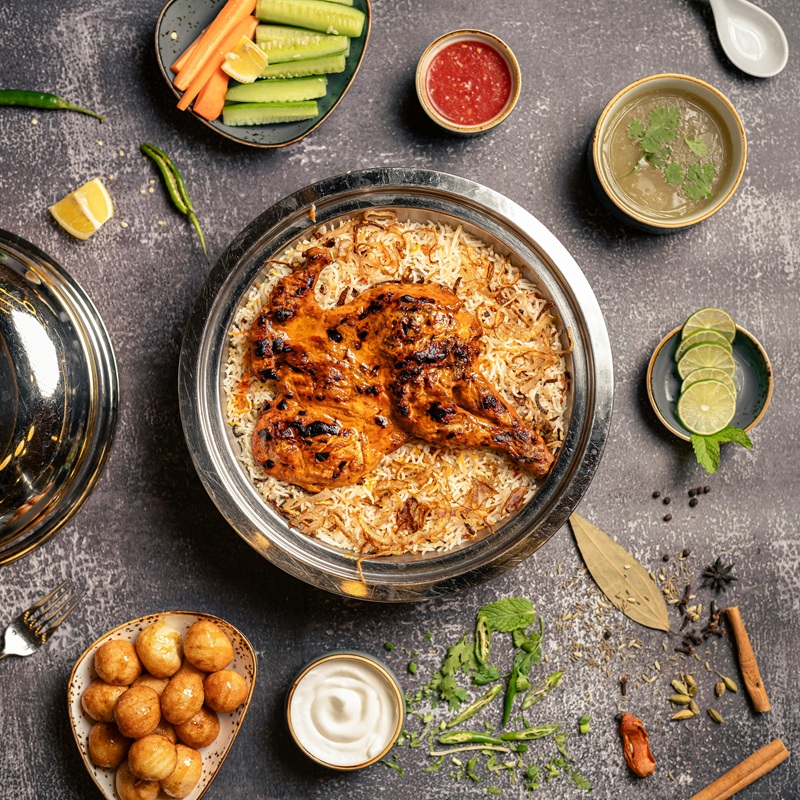
Discover authentic mandi rice from Yemen. Learn the traditional recipe with chicken or lamb, mandi spice mix, cooking methods, and how to get that perfect smoky aroma.
Mandi rice is a slow-cooked Yemeni dish of spiced basmati and tender meat that has become a staple across the UAE. This mandi rice recipe walks through the spice mix, the cooking methods, and the smoky finish that defines authentic chicken mandi at home.
What Is Mandi Rice and Where Does It Come From
Mandi is a traditional Yemeni rice dish of slow-cooked meat and spiced basmati, popular across the Arabian Peninsula and a staple of Emirati food culture. The word mandi comes from the Arabic nada, meaning dew, referring to the moisture of the slow-cooked meat.
What Is Mandi
Mandi as a Cooking Method, Not Just a Dish
Mandi refers both to a Yemeni rice and meat dish and to the cooking method that produces it. The word comes from the Arabic nada, meaning dew, a nod to the moist, falling-off-the-bone meat the technique yields. In traditional preparation, marinated lamb, chicken, or camel is suspended on a rack inside a taboon, a clay-lined pit oven dug into the ground. Charcoal sits at the base, and the meat juices drip onto the rice cooking below. The slow heat plus the trapped smoke creates the signature mandi flavor profile: tender, fragrant, and distinctly smoky.
Mandi Across the Gulf
Mandi originated in the Hadhramaut region of eastern Yemen and spread across the Arabian Peninsula through trade and migration. In Saudi Arabia, lamb mandi dominates and is often served at family gatherings, weddings, and Eid feasts. In the UAE, chicken mandi is more common because of its lower price point and faster cooking time; restaurants in Old Dubai, Sharjah, and Abu Dhabi all run mandi as a core menu item. In Kuwait and Oman, the dish picks up regional spice tweaks but keeps the smoke-and-rice foundation intact. Mandi is now also widely cooked in Indian Muslim households across Kerala, Tamil Nadu, and Hyderabad.
Chicken or Lamb? Let’s Talk Meat for Mandi
The choice of meat significantly influences the flavor profile of mandi rice. The classic choice? Lamb, prized for its rich, slightly robust flavor that stands up beautifully to the smoky cooking. Shanks and shoulders are popular cuts in the UAE.
Chicken Mandi offers a lighter, often more budget-friendly alternative. Whole chickens or large pieces absorb the smoky spices well. It's a widely loved option across the UAE.
In the UAE, both variations are cherished, with some establishments even offering camel meat for an authentic twist. Selecting high-quality, bone-in cuts enhances the depth of flavor in the dish.
Mandi Spice Mix, the Hawaij Blend That Defines the Dish
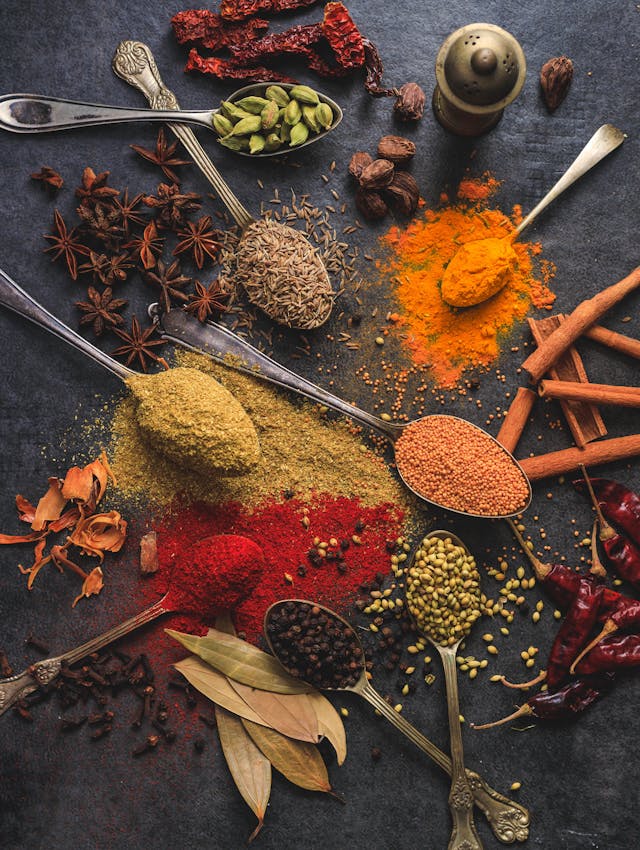
The soul of mandi rice lies in its spice blend, known as "Hawaij" in Yemeni cuisine. This blend typically includes cardamom, cloves, cinnamon, black lime, and saffron. Crafting your own mandi spice mix at home allows for customization and ensures authenticity. Here's a simple recipe:
- 1 tablespoon ground cardamom
- 1 tablespoon ground cinnamon
- 1 tablespoon ground cloves
- 1 teaspoon ground black pepper
- 1 teaspoon ground cumin
- 1 teaspoon ground coriander
- 1 teaspoon turmeric
- A pinch of saffron threads
Combine all spices and store in an airtight container. This blend can be used for multiple mandi preparations.
Basmati: The Royal Rice You’ll Need

Long-grain basmati is the only rice for authentic mandi. Its low starch keeps the grains separate and fluffy under the spice and meat juices. Wash thoroughly until the water runs clear, soak for 30 minutes, then parcook before layering with the meat. This three-step prep is what stops the rice clumping during the final dum or oven stage.
How to Make Mandi Rice, Traditional and Modern Methods
Traditionally, mandi rice is prepared in a taboon, a clay-lined underground oven that imparts the dish's signature smoky flavor. Home cooks across the UAE use three modern methods to make mandi rice without a taboon: oven, stove-top dum, and pressure cooker.
Oven-Baked Mandi: Marinate the meat with the mandi spice mix and bake it in the oven until tender. Cook the rice separately with spices, then combine and bake briefly to meld the flavors.
Stove-Top Dum Method: Layer partially cooked rice and marinated meat in a heavy-bottomed pot, seal the lid with dough or a tight-fitting cover, and cook on low heat to allow the flavors to infuse.
Instant Pot or Pressure Cooker: Ideal for those in the UAE living in apartments with limited kitchen space. Sauté the spices, add marinated meat and rice, and pressure cook for a shortened cooking time without compromising on flavor.
How to Add Smoky Flavor to Mandi Rice with the Coal Dum Method
To recreate the signature smoky aroma of traditional mandi rice at home, the “coal dum” method works wonders. Once your rice and meat are fully cooked and layered in a large pot, heat a small piece of charcoal until it turns red hot. Carefully place a small metal bowl or piece of foil in the center of the pot, nestled into the rice, and set the hot charcoal on top. Drizzle a teaspoon of oil or ghee over the charcoal to release aromatic smoke, then immediately cover the pot with a tight-fitting lid to trap it inside. Let it sit for 5 to 10 minutes — the smoke will gently infuse the entire dish, giving it that deep, authentic mandi flavor.
Step by Step Mandi Rice Recipe at Home
Ingredients:
For the Spice Blend:
- 2 teaspoons whole coriander seeds
- 1 teaspoon whole cloves
- 6 green cardamom pods
- 1.5 teaspoons cumin seeds
- 1 cinnamon stick
- 1 teaspoon whole black peppercorns
- 1/2 teaspoon turmeric (ground powder)
For the Chicken:
- 4 full chicken legs, skin on, bone in
- 2 tablespoons olive oil
- 1.5 teaspoons kosher salt, use 1 tsp if regular salt
For the Rice:
- 3 cups basmati rice
- 3 bay leaves
- 2 teaspoons spice mix (from the spice blend)
- 1.5 teaspoon turmeric
- 1/2 teaspoon saffron strands, plus 2 tablespoons hot water (optional)
- 3 dried limes, optional
- 1 teaspoon salt
- 4.5 cups water and broth, see instructions
For the Garnish:
- 4 small onions
- 1 cup vegetable oil for frying
- 1/4 cup slivered almonds
- 1/4 cup raisins
- 1 tablespoon olive oil
Recipe Overview:
- Make the Spice Blend: Toast all spices (except turmeric) in a skillet for 1-2 minutes until fragrant. Grind to a fine powder. Remove 2 teaspoons for the rice. Add turmeric to the remaining spice mix for the chicken.
- Marinate the Chicken: Mix the spice blend with the chicken, olive oil, and salt. Marinate for at least a few hours, or preferably overnight.
- Cook the Chicken: Fry the onions in a pot until golden brown, then remove and set aside. In the same pot, add the spice mix (reserved for rice), dried limes, and bay leaves. Cook for a few minutes. Add water. Place a steaming rack in the pot, add the marinated chicken, cover, and steam for 50 minutes. Remove the chicken and broil for 5 minutes until golden brown. Keep warm.
- Make the Rice: Wash and soak the rice for 10 minutes. Grind saffron with hot water and let it bloom. Strain the broth from steaming the chicken, measure 4.5 cups, and add water if needed. Pour the liquid back into the pot, add turmeric, salt, and bloomed saffron. Bring to a boil. Add the rice, stir, and let it boil uncovered for a few minutes. Cover with a paper towel and the lid, lower heat, and cook for 20 minutes undisturbed. Turn off heat, fluff with a fork, cover, and let stand for 10 minutes.
- Prepare the Garnish: Fry the almonds in olive oil until golden, then set aside. Toast the raisins for 2 minutes and combine with the almonds.
- Assemble: Layer yellow rice on a platter. Add fried onions, almonds, and raisins. Top with chicken. Garnish with more onions, raisins, and almonds.
Don’t Forget the Sahawiq (Yemeni Tomato Chutney)
No mandi rice experience is truly complete without sahawiq — a bold Yemeni tomato chutney that adds spice, brightness, and a burst of flavor to each bite. This condiment, sometimes known as “zhug,” is made from fresh tomatoes, garlic, green chilies, coriander, and lemon juice. For those who love heat, sahawiq can be fiery, but you can easily tone it down by reducing the chilies or using mild varieties.
Spicy Version
Blend fresh tomatoes, green chilies, garlic, coriander, lemon juice, olive oil, and salt into a smooth paste. Serve chilled for a refreshing contrast to warm mandi.
Mild Version
Use roasted tomatoes and fewer chilies. Add a touch of honey or roasted red pepper to mellow the heat while maintaining depth of flavor.
How to Serve Mandi Like They Do in the Middle East
Serving mandi is more than a meal — it's an experience rooted in generosity and community. Traditionally, mandi is served on a large communal platter, often set on the floor with guests seated around it. If you're replicating this at home, consider using banana leaves for an authentic touch, and serve Laban (buttermilk) to balance the richness and spice. For special occasions, garnish with fried onions, raisins, almonds, or extra saffron-infused rice for a celebratory look.
Serving Mandi this way is about more than just eating; it's about sharing flavors and creating a communal experience. Enjoy the feast!
Popular Mandi Variations Across the Arab World
Mandi rice is rooted in Yemen but evolves across the Gulf. Saudi, Emirati, and Yemeni cooks each use the same hawaij base spice profile but vary the meat cut, the smoke intensity, and the side condiments
In Saudi Arabia, lamb is the star. Their version of lamb mandi is often slow-roasted to perfection, infused with saffron, cardamom, and black lime for a deep, aromatic flavor that lingers with every bite.
The Emirati twist on chicken mandi features juicy, marinated chicken grilled or baked to a crisp finish. It's typically served with fiery sahawiq and pickled vegetables for that punchy contrast of flavor and texture — a common favorite in homes and restaurants across the UAE.
Then there are dishes like kabsa, often compared to mandi. Kabsa has a sweeter, tomato-rich base and leans toward a more saucy finish, whereas mandi is lighter, drier, and infused with smokiness.
And of course, the age-old comparison: biryani vs. mandi. While biryani is known for its layers, richness, and use of yogurt and fried onions, mandi keeps things simple yet soulful — letting the quality of the rice, meat, and spices shine through without overpowering sauces.
Mandi vs Biryani vs Kabsa
How Mandi Differs from Biryani
Mandi and biryani are both rice and meat dishes, but they come from different traditions and taste very different. Biryani originates in the Indian subcontinent and layers parboiled rice with yogurt-marinated meat, fried onions, mint, and saffron, then dum cooks the assembly for a rich, layered finish. Mandi, by contrast, is Yemeni: meat is steamed or roasted in a sealed pit while spiced basmati cooks below, capturing the meat drippings. Biryani is wet and complex; mandi is dry, smoky, and lets the rice and meat speak on their own. The spice list also differs: biryani leans on garam masala and ginger garlic paste, while mandi uses hawaij with black lime and cardamom.
How Mandi Differs from Kabsa
Mandi and kabsa are closer cousins, both rooted in Arabian Peninsula cooking, but kabsa is sauce-forward where mandi is smoke-forward. Kabsa, the national dish of Saudi Arabia, is made by sauteing onions, tomatoes, and meat, then simmering basmati in the same tomato-rich liquor with cardamom, cloves, and black lime. The result is a moist, tomato-tinted rice with visible spice oils. Mandi keeps the rice and meat separate during cooking and uses the coal dum step to layer in smoke at the end, so the rice stays paler, drier, and more aromatic. Both pair with sahawiq, but kabsa is typically the everyday family dish while mandi is the celebratory one.
Diet-Friendly or Vegan? Here’s How to Customize Your Mandi
One of the best things about mandi rice is how adaptable it can be. Whether you're cooking for dietary needs or personal preferences, it’s easy to tweak the recipe while still keeping that iconic mandi essence intact.
Vegetarian or Vegan Mandi: You don’t have to miss out on the rich flavors of mandi just because you’re skipping meat. Swap the protein with hearty options like mushrooms, or even roasted cauliflower. Use a well-spiced vegetable broth instead of meat stock to keep the flavor bold and satisfying.
Low-Oil Mandi: For a lighter version, reduce the oil used during cooking and skip the butter garnish. Instead of frying, bake or air-fry your protein and sauté spices with minimal oil to retain taste without the heaviness.
Kid-Friendly Mandi: To make mandi more palatable for little ones, tone down the heat — reduce the amount of chili and black pepper. Serve it with cooling plain yogurt or laban on the side, and opt for boneless chicken pieces to make eating fuss-free.
With these thoughtful adjustments, mandi can easily become a dish that fits every lifestyle — from plant-based diets to low-fat needs, and even the picky eaters at your table.
Where to Find Authentic Ingredients for Mandi Rice in the UAE
One of the true perks of living in the UAE? Easy access to high-quality, authentic Middle Eastern ingredients that make cooking mandi rice at home a flavorful breeze.
Spinneys & Carrefour
Both stores carry all your mandi essentials — from fragrant basmati rice and halal chicken to ready-made mandi spice blends that save you time without sacrificing flavor.
Al Adil Supermarket
If you’re stocking up on spices, this is your spot. Find black lime, cardamom, cinnamon sticks, and more at affordable prices — perfect for crafting your own mandi spice mix at home.
Lulu Hypermarket
Known for its marinated meats and specialty goods, Lulu is a great place to pick up saffron-infused ghee, charcoal for smoking, and even fresh, cleaned cuts of meat for chicken mandi or lamb mandi.
Online Options
Prefer the convenience of online shopping? Platforms like Kibsons, Farmbox, and Amazon UAE deliver everything from fresh herbs and mandi spices to metal bowls for the coal smoking method — right to your doorstep.
With these resources, your next mandi adventure starts just a short trip (or a few clicks) away.
Learn with ICCA Dubai
Take your mandi cooking from home recipe to professional skill at ICCA Dubai. The Diploma in Advanced Culinary Arts (Cookery) covers Arabian, Indian, and Mediterranean rice and meat techniques in full.
Frequently Asked Questions
Q: What is mandi rice?
A: Mandi rice is a traditional Yemeni dish of slow-cooked meat and spiced basmati, finished with a smoky aroma. The meat, usually chicken or lamb, is suspended on a rack over the rice in a sealed pit oven called a taboon so the juices drip down and flavor the grains. Mandi is now a staple across the UAE, Saudi Arabia, and the wider Arabian Peninsula.
Q: How do you make mandi rice at home without a taboon?
A: Use the coal dum method to mimic the taboon smoke. Cook the marinated chicken and rice separately, layer them in a heavy pot, then place a small foil or metal bowl on top of the rice with a red-hot piece of charcoal inside. Drizzle a teaspoon of oil over the coal, seal the lid, and let the smoke infuse for 5 to 10 minutes. The result is the authentic smoky mandi flavor a home oven cannot reproduce on its own.
Q: What is the difference between mandi rice and biryani?
A: Mandi is Yemeni, biryani is Indian. Mandi uses a single layer of spiced basmati with meat juices dripping down from above and finishes with smoke, so the rice stays drier and more aromatic. Biryani is layered with yogurt-marinated meat, fried onions, and saffron, then dum cooked together, so the rice is richer and more saucy. The spice lists also differ: mandi uses hawaij with black lime, biryani uses garam masala.
Q: Which rice is used for mandi?
A: Long-grain basmati is the only rice used for authentic mandi. Its low starch content keeps the grains separate and fluffy, and the natural fragrance pairs well with the cardamom, black lime, and saffron in hawaij. Wash the basmati thoroughly, soak for 30 minutes, then parcook before the final layering with the meat.
Q: Can mandi rice be made vegetarian?
A: Yes, mandi rice works as a vegetarian dish if you swap the chicken or lamb for mushrooms, roasted cauliflower, or paneer. Use a well-spiced vegetable broth in place of meat stock, keep the hawaij spice mix and the coal dum smoke step, and the rice will still carry the signature mandi flavor profile.

.jpg)
.jpg)

.jpg)


