
In the world of fine dining, it's no longer just about what’s on the plate, it’s about how it’s presented. Plating has become the modern chef’s signature, blending creativity, storytelling, and design to captivate diners at first glance. From edible art to sensory illusions, chefs today are transforming dishes into immersive visual experiences.
But which plating trends are catching the eye of diners and chefs around the globe right now? Below we break down five of the most influential restaurant plating trends, covering how each one is redefining not just how food looks, but how it is felt.
What Is Food Plating
Food plating is the art of arranging and presenting a dish so it looks as good as it tastes. It covers where each component sits on the plate, how color and height are balanced, how much empty space is left, and how texture and garnish guide the eye. In fine dining, plating is the first thing a guest experiences, often before the first bite, so chefs treat it as visual storytelling rather than decoration. Strong plating makes a dish feel intentional and memorable, and it is the reason presentation trends move so quickly. The five plating trends below show where modern restaurant presentation is heading right now.
1. Minimalist Plating and Negative Space

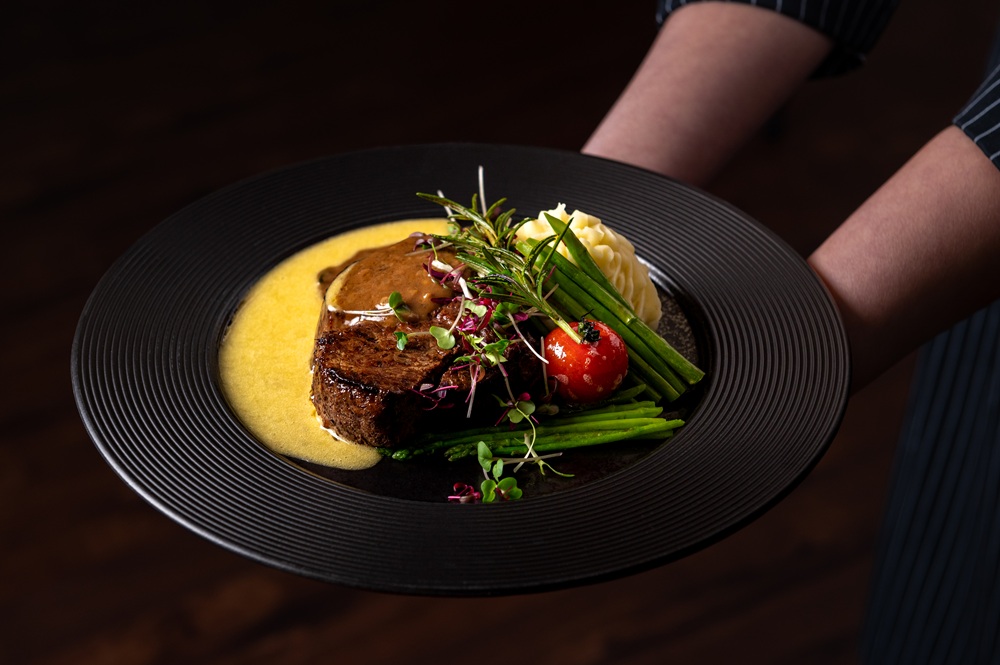
In modern fine dining, less is more. Minimalistic plating focuses on simplicity, allowing each component to shine individually. By embracing negative space, chefs create a sense of elegance and sophistication, making the dish appear lighter and more refined. This trend encourages diners to focus on the quality and artistry of the food rather than an overload of elements.
2. Vertical Plating Adds Height and Dimension

Vertical plating is making a significant impact on modern menus. By stacking or layering ingredients, chefs can add depth and intrigue to their dishes. This technique not only enhances the visual appeal but also allows for a harmonious blend of flavors and textures in each bite.
3. Bold Colors and Contrasting Textures

Color plays a crucial role in plating, and chefs increasingly embrace bold, contrasting hues to make their dishes stand out. Vibrant sauces, edible flowers, and colorful vegetables add pops of color, while combining different textures—such as crispy, smooth, and creamy elements—enhances the sensory experience.
4. Sustainable Plating Materials

Sustainability is a growing concern in the culinary world, and chefs are shifting toward eco friendly plating materials. Chefs are turning to biodegradable plates made from materials like bamboo, palm leaves, and sugarcane, offering an earth-conscious alternative without compromising presentation quality.
5. Interactive and Experiential Plating

Modern diners seek more than just a meal—they desire an experience. Interactive plating techniques, such as using liquid nitrogen to create whimsical clouds of smoke or incorporating edible perfumes spritzed tableside, turn dining into a multisensory journey.
The culinary world today is vibrant, innovative, and ever-evolving. Ready to embark on your culinary journey? Explore our programs and discover how ICCA Dubai can help you turn your culinary dreams into reality.
Frequently Asked Questions
Q: What are the top restaurant plating trends?
A: The most influential restaurant plating trends today are minimalist plating with negative space, vertical plating for height, bold colors and contrasting textures, sustainable plating materials, and interactive plating that engages the senses.
Q: What is vertical plating?
A: Vertical plating is a technique where ingredients are stacked or layered to add height and dimension to a dish. It makes the plate look more dramatic and lets a chef combine flavors and textures in a single upward bite.
Q: What is minimalist plating?
A: Minimalist plating uses negative space and just a few well placed components so each element stands out. The empty space around the food makes the dish feel elegant and refined and keeps the focus on quality over quantity.
.jpg)
.jpg)

.jpg)
.jpg)
.jpg)

