Compound salad isn’t just a bowl of mixed greens—it’s a crafted, visually striking meal. I often turn to a compound salad when I want something balanced, flavorful, and impressive. Unlike simple tossed salads, compound salads are arranged with intention, showcasing each ingredient’s flavor and texture. They're perfect for both entertaining and everyday meal prep.
What Is a Compound Salad?
So, what is a compound salad? It’s a type of salad where each ingredient is displayed and layered with precision rather than being tossed together. Every element remains distinct on the plate—from the greens and vegetables to the proteins and grains—creating a dish that is both artistic and purposeful. The presentation itself is part of the flavor experience, allowing each bite to be unique depending on how you choose to eat it.
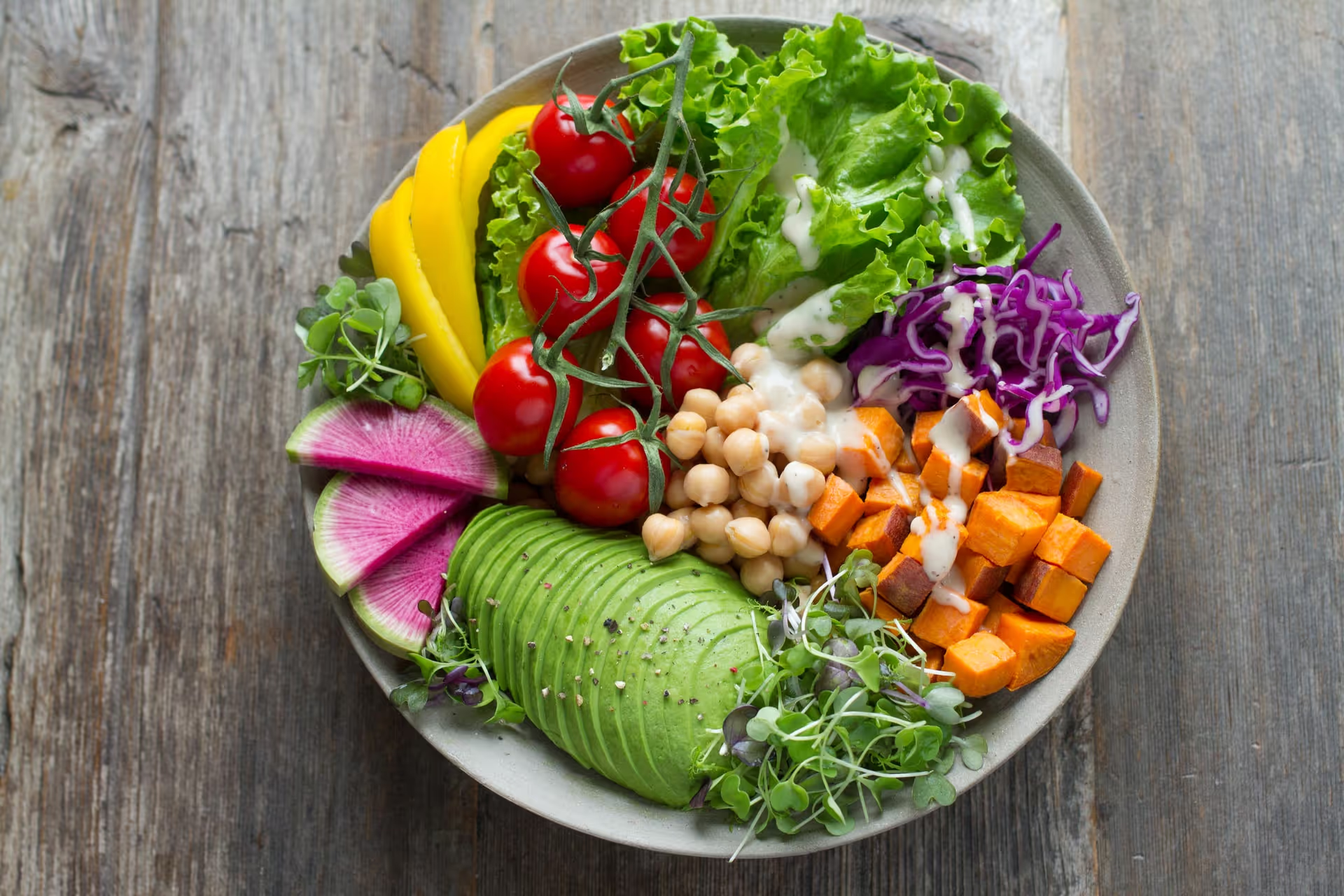
This method of assembling salads draws attention to the integrity of the ingredients. Think of a vibrant bed of arugula topped with sliced grilled chicken, roasted beets fanned beside crumbled feta, and a handful of walnuts scattered strategically across the plate. A drizzle of vinaigrette, served lightly or on the side, completes the composition. The focus is on clarity, color, and layering—offering an experience that appeals as much to the eyes as it does to the palate.
Compound vs. Simple Salads
Understanding the difference between compound and simple salads helps clarify why composed salads are so beloved. Simple salads are generally fast to make and involve fewer ingredients that are all tossed together with a single dressing. They’re great for quick meals but don’t offer the same visual or textural complexity.
In contrast, a compound salad is a deliberate arrangement. You can taste and see each component separately before combining them in your mouth. While it takes more planning and time to assemble, the result is a salad that feels thoughtful, elegant, and satisfying. It becomes a dish you savor, not just consume.
Popular Examples of Compound Salads
Some of the most iconic salads across cultures are actually compound salads. The classic French Salade Niçoise, for instance, features tuna, hard-boiled eggs, green beans, olives, and potatoes—all arranged in sections on the plate rather than mixed. The American Cobb Salad is another fan favorite, typically laid out in rows with avocado, grilled chicken, bacon, tomato, blue cheese, and hard-boiled eggs forming colorful stripes of flavor and texture.
You’ll also find compound salads in many regional cuisines. Italian antipasti spreads often serve as composed salads, showcasing artfully arranged marinated vegetables, cheeses, and cured meats. Middle Eastern mezze platters serve a similar function—while not salads in the traditional sense, their thoughtful composition aligns with the structure of a compound salad.
Key Components of a Compound Salad
The building blocks of a great compound salad include a mix of proteins, grains or starches, vegetables, fruits, and dressing. Each of these elements plays a role in making the salad balanced and dynamic. Proteins like grilled chicken, tuna, tofu, or legumes bring substance. Roasted sweet potatoes, quinoa, or couscous provide heartiness and structure. Vegetables and fruits—especially seasonal varieties—add freshness and vibrancy. Toppings such as nuts or seeds contribute crunch, and herbs or microgreens elevate aroma and presentation.
The key is to design the salad with intention. Nothing is random. You consider how textures interact, how flavors balance, and how the colors pop on the plate.
Balancing Flavors and Textures
Every great compound salad excels because of its thoughtful balance of flavors and textures. It’s important to incorporate a mix of savory, sweet, tangy, and even umami notes. The crunch of toasted nuts can offset the creaminess of goat cheese, while tart citrus can brighten earthy roasted vegetables. This harmony makes every bite compelling.
Texture matters just as much. Crisp greens, creamy avocado, chewy grains, and juicy fruits can coexist beautifully if arranged properly. The variation not only enhances the eating experience but ensures that the salad feels like a complete and satisfying meal.
Nutritional Benefits of Compound Salads
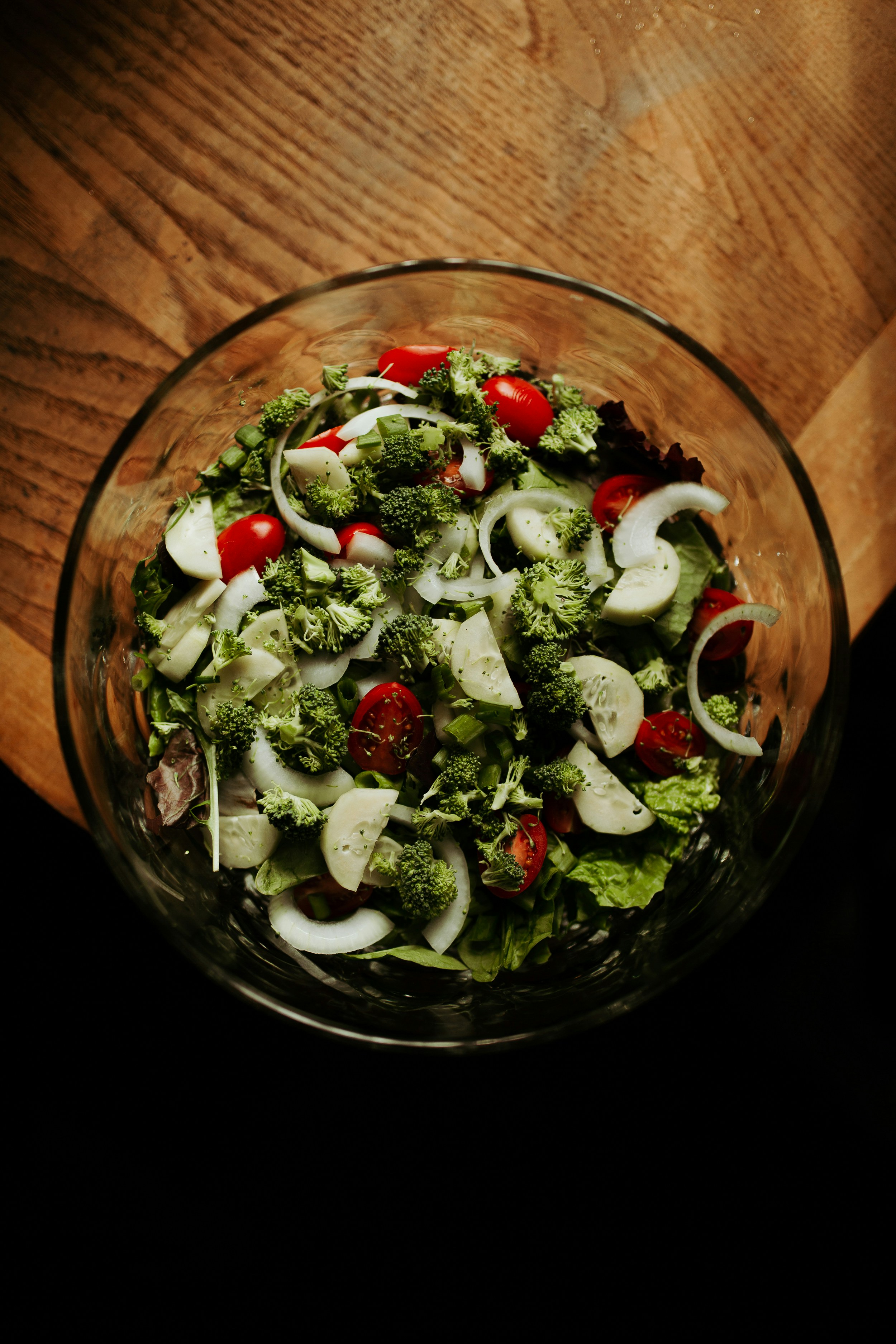
One of the best things about compound salads is how easy it is to pack them with nutrition. Because the ingredients are presented individually, you can control portion sizes and ensure a balance of macronutrients. Compound salads often include lean proteins, fiber-rich vegetables, heart-healthy fats, and complex carbohydrates—all of which make them ideal for a balanced diet.
You can also tailor compound salads to meet dietary goals. For high-protein needs, focus on grilled meats, eggs, or legumes. If you're eating low-carb, skip the grains and double down on greens and proteins. For plant-based or vegan diets, you can use tofu, lentils, chickpeas, or tempeh in place of animal proteins and incorporate dressings made from tahini, avocado, or cashew cream.
Composed Salad Recipes for Every Season
Compound salads can change with the seasons, keeping your meals fresh and exciting year-round. In summer, I love to feature grilled peaches, heirloom tomatoes, basil, and mozzarella with a light balsamic drizzle. Cold proteins like seared tuna or poached shrimp pair beautifully with summer produce.
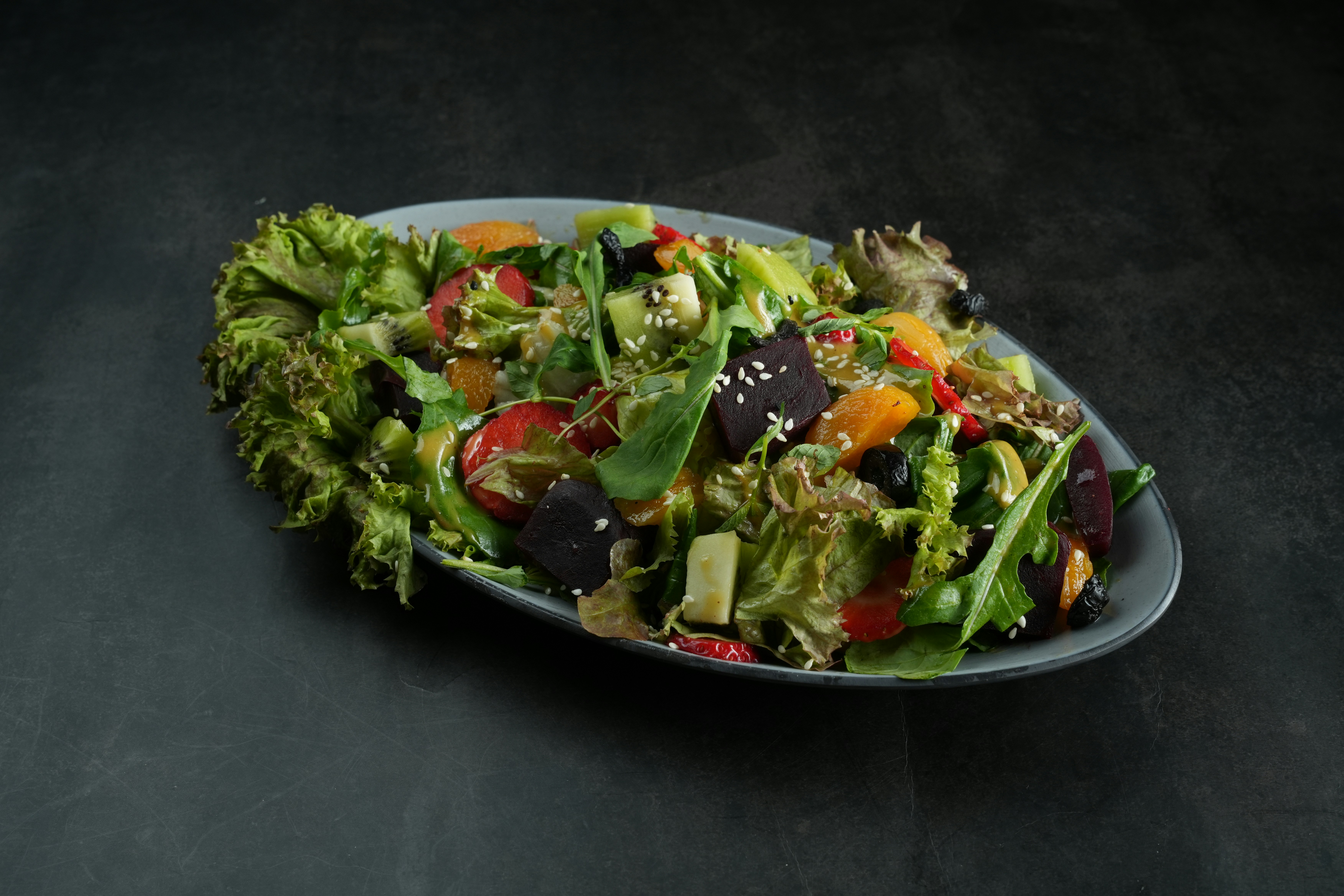
During the colder months, roasted root vegetables like sweet potatoes and beets take center stage, alongside hearty grains like farro or brown rice. Add toasted nuts and a mustard vinaigrette, and you’ve got a salad that’s comforting yet fresh. Seasonal variation ensures your compound salads always feel current and inspired.
Creating Eye-Catching Presentations
A huge part of the appeal of compound salads is how they look. Presentation plays a vital role, especially when you’re serving them to guests or posting them on social media. A well-plated salad doesn’t just taste better—it feels more intentional and gourmet.
Start by using plates or shallow bowls that give you room to arrange ingredients without crowding. Place each element in its own section, using the plate like a painter’s canvas. Balance colors, shapes, and textures, then finish with delicate garnishes like microgreens, edible flowers, or a swirl of dressing. A drizzle—not a douse—adds elegance.
Homemade Dressings for Compound Salads
Dressings can elevate or ruin a compound salad, so homemade versions are often the best route. I usually start with a base of olive oil and vinegar or citrus, then add Dijon mustard, fresh herbs, garlic, or honey to adjust flavor. For creamy dressings, avocado or Greek yogurt can replace mayo for a lighter, healthier option.
The key is to use dressings to complement, not dominate. Serve it on the side or add it just before eating to keep everything fresh and crisp. This also helps with meal prepping—your ingredients stay separated and last longer.
Dietary Variations and Substitutions
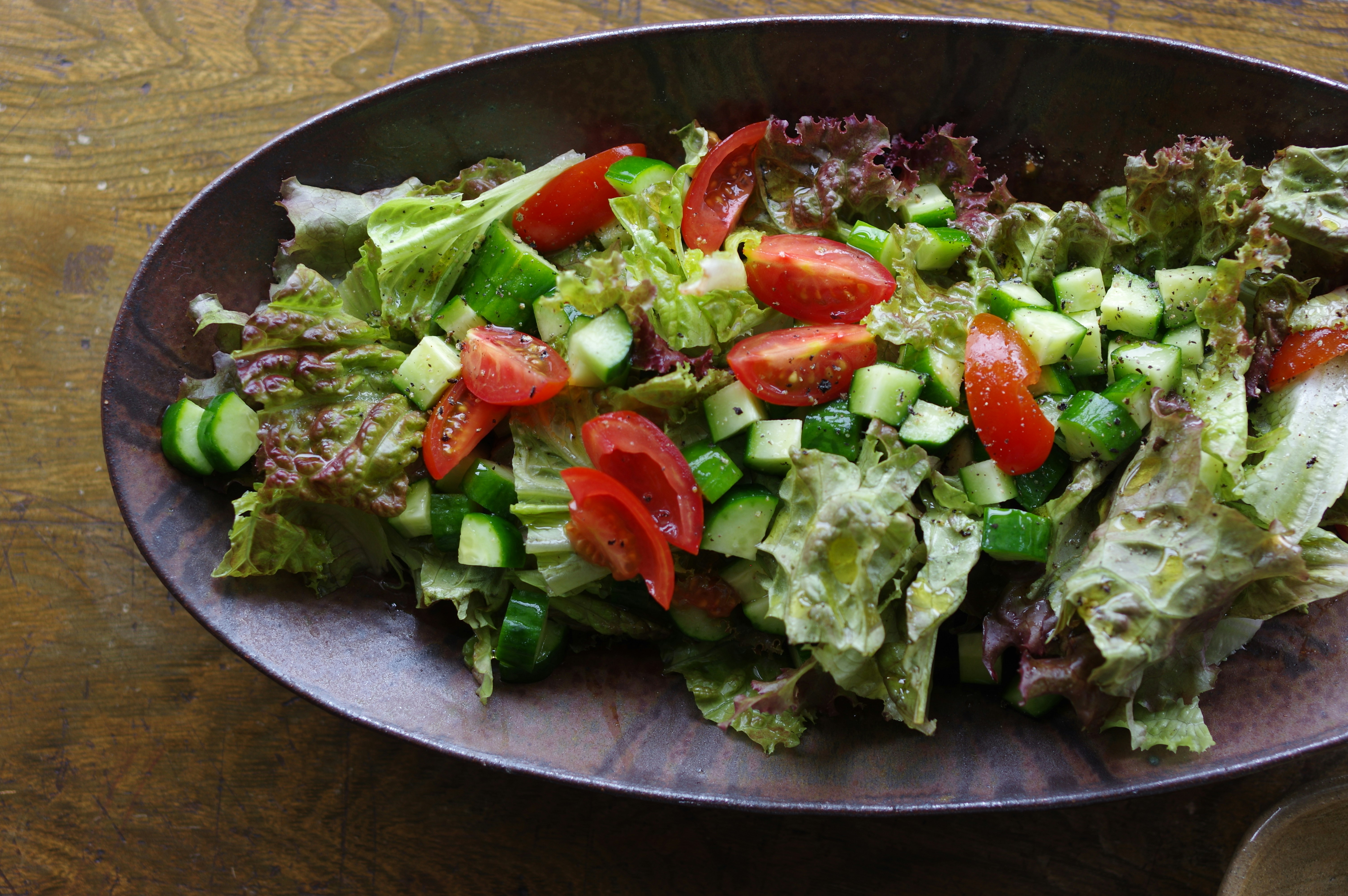
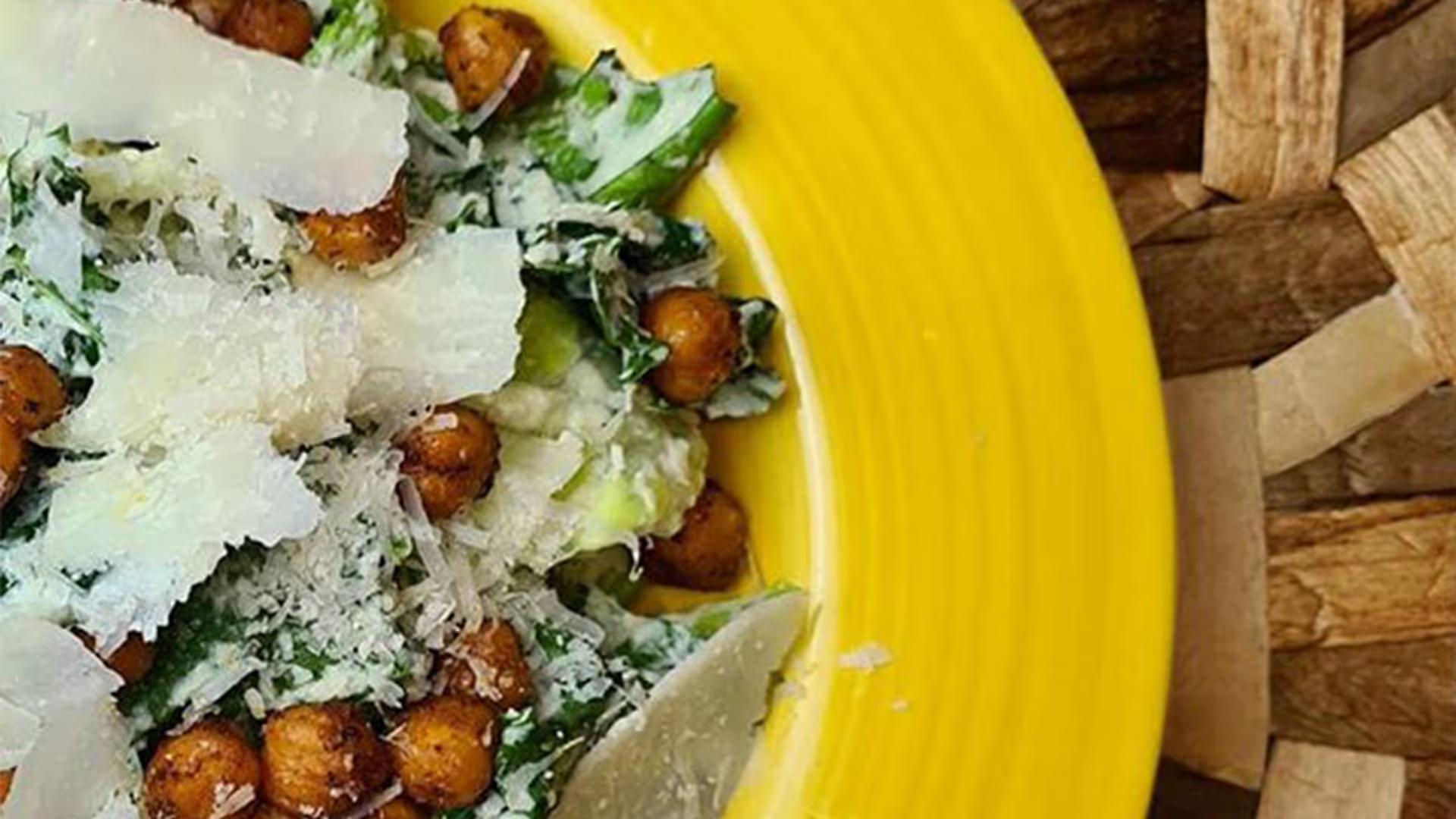
The versatility of compound salads means you can easily accommodate dietary needs. For a vegan variation, swap animal proteins with marinated tofu, roasted chickpeas, or tempeh, and use dairy-free dressings. For gluten-free diets, replace bulgur or wheat pasta with rice, quinoa, or gluten-free pasta options.
You can also adjust based on health goals. To reduce carbs, leave out starchy ingredients like potatoes or bread and add extra greens or protein. To increase satiety, include healthy fats such as olives, nuts, or avocado. Compound salads are one of the few meals that can suit nearly every nutritional plan without compromising on flavor.
Meal Prep and Storage Tips
If you’re making compound salads for the week, organization is key. The best way to preserve freshness is to store ingredients separately. Keep your greens in an airtight container with a paper towel to absorb moisture, proteins in their own containers, and dressings in small jars. When it’s time to eat, assembling your salad takes just a few minutes.
Avoid mixing dressings ahead of time if the salad includes delicate ingredients like herbs or greens, as they’ll wilt quickly. Following this method ensures your salads remain crisp, vibrant, and as delicious on day five as they were on day one.
Global Inspiration for Unique Salad Ideas
Different cuisines offer endless inspiration for compound salads. Mediterranean versions often include olives, feta, tomatoes, cucumbers, and a lemon-herb vinaigrette. Asian-inspired salads might include soba noodles, sesame-crusted tofu, edamame, and miso dressing. Latin American variations can showcase black beans, avocado, charred corn, and cilantro-lime crema.
Each of these global influences brings its own signature flavors and ingredient combinations, giving you a world of options to explore. You’ll never get bored when your salad can take you from Morocco to Mexico to Tokyo in one dish.
Common Mistakes to Avoid
One common mistake is overdressing, which can turn a beautifully arranged salad into a soggy mess. Always add dressing just before serving, and use a light hand. Another misstep is including too many ingredients. A compound salad should be harmonious, not chaotic. Each item should serve a purpose and complement the others. Cluttered plates confuse the eye and the palate.
Also, don’t forget to consider temperature. Cold proteins or grains straight from the fridge can dull the salad’s flavor. Let them come to room temperature before plating to enhance both taste and texture.
If creating dishes like compound salads inspires you, take the next step in your culinary journey by exploring programs and workshops at ICCA Dubai. Whether you’re a home cook or an aspiring chef, ICCA offers world-class culinary education that can sharpen your skills, refine your techniques, and expose you to international flavors and plating styles. Discover what’s next for your passion and turn your love for food into a true art form.

-min.jpg)