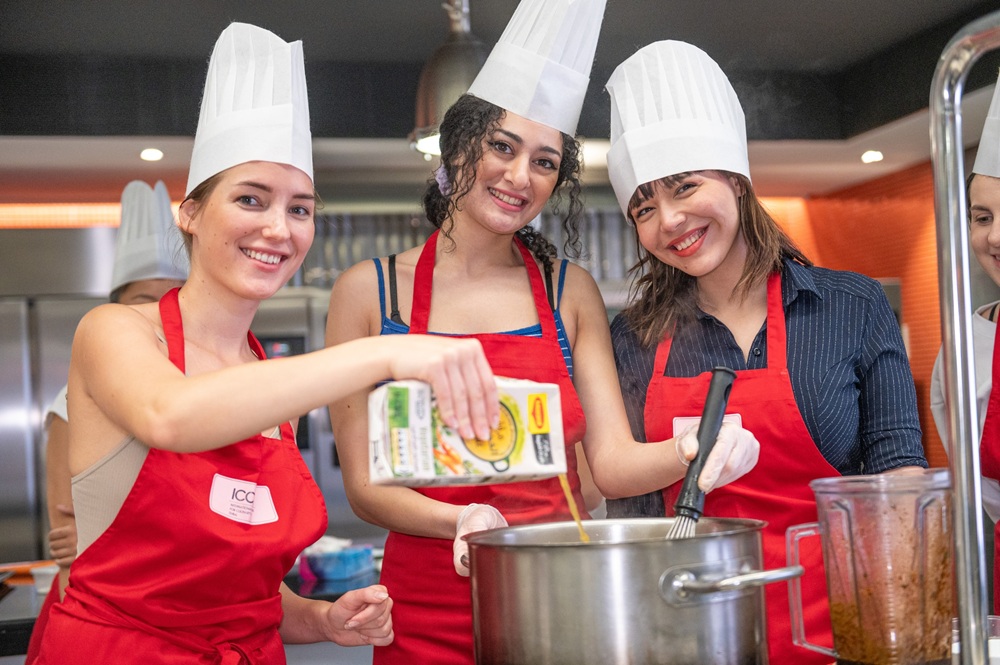
Cooking is so much more than simply following a recipe—it’s a blend of artistry, science, and a dash of instinct. Whether you’re an ambitious home cook or aspiring to work in a professional kitchen, mastering these methods will transform the way you approach ingredients, flavors, and presentation. In fact, according to the American Culinary Federation, chefs who master multiple cooking methods have a 40% higher success rate in professional kitchens.
1. Roasting – Bringing Out the Best in Meats and Vegetables
Roasting uses dry heat, often in an oven, to develop deep flavors through caramelization and the Maillard reaction. The high, even heat creates a beautiful golden crust while keeping the inside tender and juicy. Meats like chicken, lamb, and beef roast beautifully, while root vegetables such as potatoes and carrots become sweet and rich. For best results, preheat the oven fully and use a roasting rack so air circulates around the food.
2. Baking – The Science of Perfect Dough and Pastries

Baking is precise, relying on exact measurements and controlled heat to produce bread, cakes, and pastries. Unlike roasting, which focuses on savory foods, baking is equally at home with sweet treats. The key is accuracy—too much flour or too little leavening can change the texture dramatically. Bread, for instance, relies on gluten structure, while cakes depend on air incorporated into the batter. Patience is essential—open the oven door too early, and your masterpiece might collapse.
3. Grilling – Mastering the Charred, Smoky Flavor

Grilling imparts a unique smokiness that comes from cooking food over an open flame or hot coals. This method is perfect for steaks, burgers, vegetables, and seafood. The searing heat locks in juices while creating a delicious crust. Marinating beforehand enhances flavor and prevents the meat from drying out. One secret I swear by: let grilled meats rest for a few minutes before slicing to allow juices to redistribute.
4. Broiling – Quick and Intense Heat from Above
Broiling is like grilling flipped upside down—heat comes from above, often in an oven’s top heating element. It’s ideal for quickly finishing dishes or melting cheese over gratins. Because the heat is so intense, food can go from perfect to burnt in seconds. Use a broiler pan to allow excess fat to drain away and keep your dish crisp instead of soggy.
5. Sautéing – Quick and Flavorful Cooking
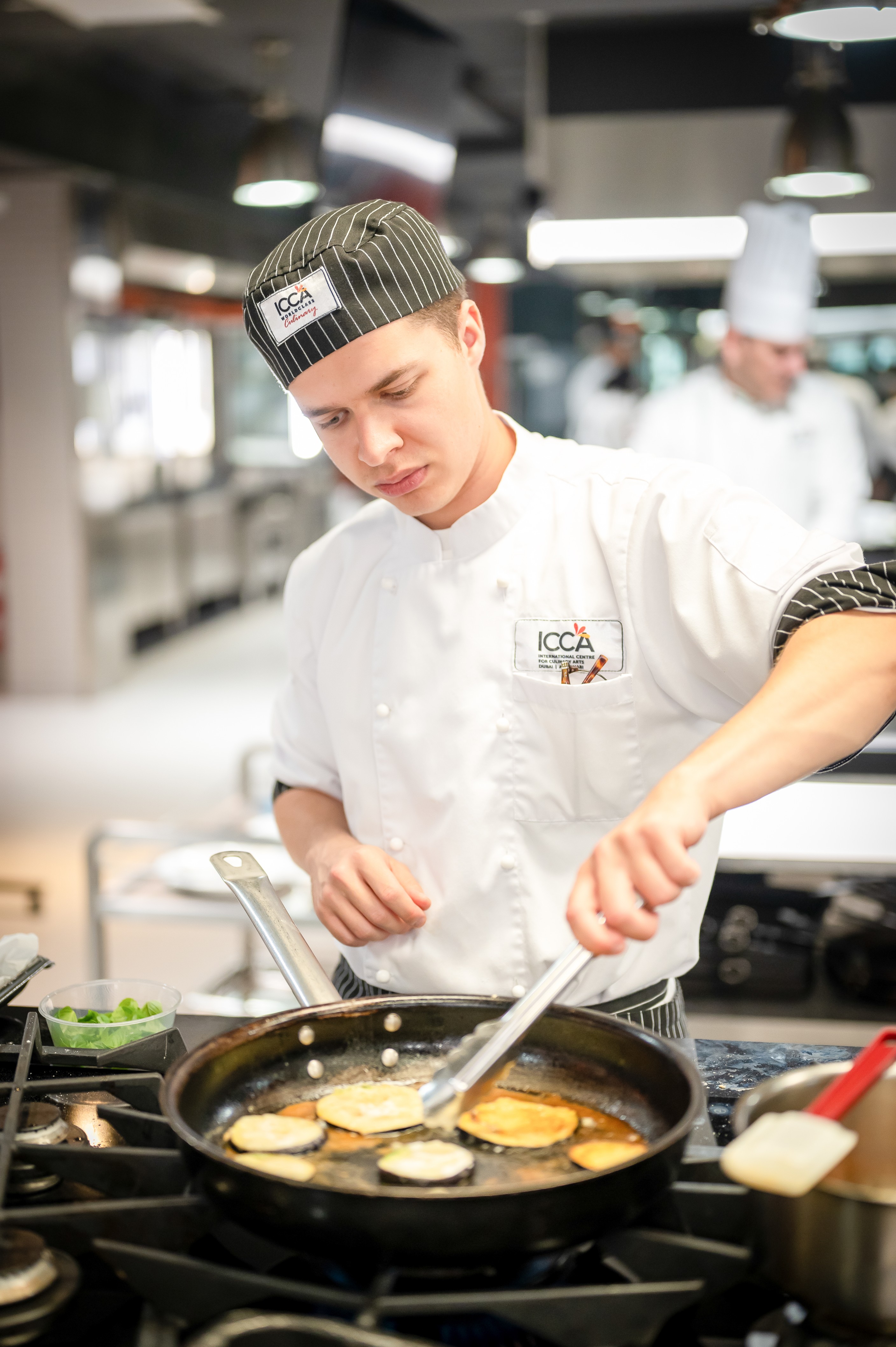
Sautéing is a fast method that uses a small amount of fat in a wide, shallow pan. It’s perfect for tender vegetables, seafood, and small cuts of meat. The key is high heat and movement—shake or stir regularly to ensure even cooking. Overcrowding the pan can lead to steaming rather than searing, so work in batches if needed.
6. Pan-Frying – Crisp, Golden Perfection
Pan-frying uses enough oil to partially submerge food, creating a golden, crunchy exterior while keeping the inside tender. Think crispy chicken cutlets, breaded fish, or fritters. Using oil with a high smoke point prevents burning and off flavors. Maintain consistent heat to avoid greasy, soggy results.
7. Deep-Frying – Achieving the Perfect Crunch
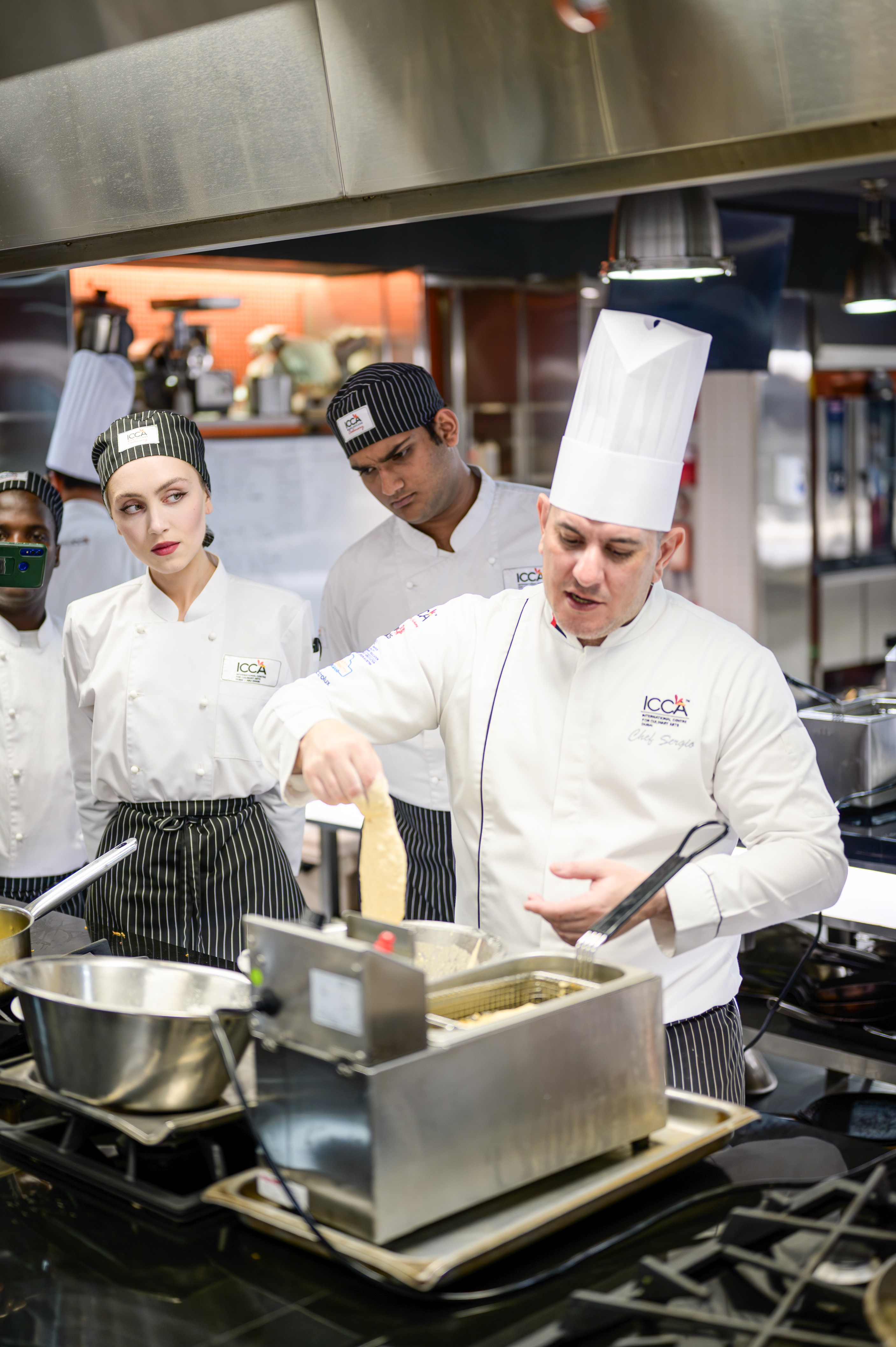
Deep-frying submerges food completely in hot oil, producing a crisp, golden crust. Classic examples include fried chicken, tempura, and doughnuts. The oil temperature should stay between 175°C and 190°C for the best results—too low and food absorbs oil, too high and the outside burns before the inside cooks.
8. Boiling – Fast and Functional
Boiling rapidly cooks food in water or broth at 100°C. It’s ideal for pasta, potatoes, and eggs. One professional tip is to salt pasta water generously—it’s your only chance to season the pasta from within. Boiling can also be used to par-cook vegetables before another cooking method.
9. Simmering – Low and Slow for Rich Flavors
Simmering keeps liquid just below boiling point, making it perfect for soups, stews, and sauces. The gentle heat allows flavors to blend over time without overcooking delicate ingredients. This is my go-to for rich beef stews and hearty tomato sauces. Thomas Keller says, “The difference between good food and great food is often patience—simmer, don’t rush.”
10. Poaching – Gentle Cooking for Delicate Foods
Poaching uses low heat to cook food in liquid without agitating it, resulting in tender, moist dishes. Ideal for fish, eggs, and chicken breasts, poaching liquids can be flavored with herbs, wine, or spices. A perfectly poached egg is proof of patience and precision.
11. Steaming – Fresh, Healthy, and Vibrant
Steaming cooks food with vapor from boiling water, preserving nutrients and color. It’s a favorite for vegetables, dumplings, and fish. The trick is to keep the lid closed to trap the steam and cook efficiently.
12. Braising – Tenderizing Tough Cuts
Braising starts with searing food to build flavor, then slow-cooking it in a small amount of liquid. This method transforms tough cuts like beef short ribs or lamb shanks into melt-in-your-mouth dishes.
13. Stewing – Comfort in a Pot
Stewing involves submerging food in liquid and simmering it for a long time, resulting in deeply flavorful dishes. This method works best with smaller, uniform pieces of meat and vegetables to ensure even cooking.
14. Sous Vide – Precision Cooking at Its Finest
Sous vide means “under vacuum” in French. Food is vacuum-sealed and cooked in a water bath at a precisely controlled temperature, ensuring consistent doneness. After cooking, a quick sear adds texture and flavor.
15. Pressure Cooking – Speed Meets Flavor
Pressure cooking is all about locking in flavors while drastically cutting down cooking time. By cooking food under steam pressure, temperatures rise above boiling point, which tenderizes tough cuts of meat, softens legumes, and infuses flavors deep into the ingredients. This method is a lifesaver for busy kitchens and is widely used in both home and professional cooking.\
16. Molecular Gastronomy – The Creative Frontier
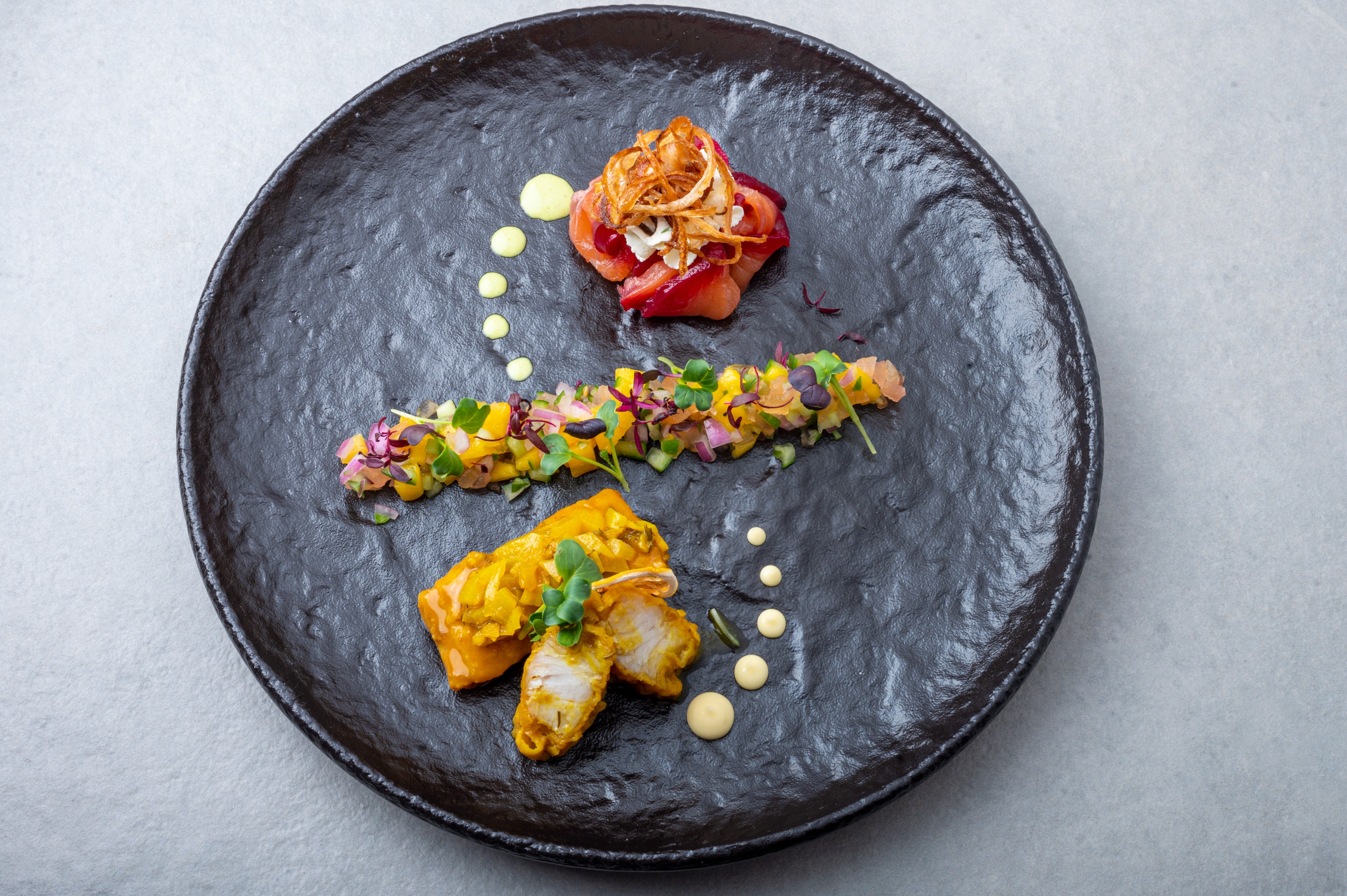
This is the playground of experimental chefs, using science to transform food textures and appearances. Techniques like spherification, foaming, and liquid nitrogen freezing transform the textures and presentation of food while keeping its core flavors intact. This style is often seen in high-end restaurants and tasting menus, where dishes are designed to surprise and intrigue the diner.
If you’re passionate about mastering professional cooking techniques, hands-on training is the fastest way to progress. At ICCA Dubai, you’ll learn these methods in a professional environment, working alongside experienced chefs. From classic French techniques to modern innovations, ICCA offers programs that combine theory with real-world practice.
Explore ICCA Dubai’s professional cooking programs and take your culinary skills to the next level.

.jpg)
.jpg)
.jpg)


.jpg)