.jpg)
Emirati cuisine is the traditional food of the UAE, a deeply rooted culinary tradition shaped by desert survival, coastal fishing, and oasis agriculture. Traditional UAE food reflects Bedouin resilience, pearl diving history, and centuries of trade across the Arabian Gulf.
The Spice Foundation: Bezar and Essential Emirati Ingredients

At the core of traditional UAE food is Bezar, a signature spice blend made from cumin, coriander, turmeric, cinnamon, fennel seeds, and dried chilies. This aromatic mix defines the flavor profile of many rice and meat dishes. Supporting spices such as saffron and cardamom enhance fragrance, while loomi (dried lime) adds a subtle tang that distinguishes Emirati cuisine from other Middle Eastern foods.
Unlike Levantine cuisine, which often relies heavily on olive oil, fresh herbs, and mezze-style dining, Emirati cooking emphasizes slow-cooked rice dishes, desert-adapted ingredients, and warming spice combinations. Dates play a sacred role beyond nutrition—they symbolize generosity and hospitality. Camel milk, ghee, and grains cultivated in oasis farms reflect the resourcefulness of early Emirati communities.
Traditional Emirati Breakfast: Sweet and Savory Beginnings
Emirati breakfasts balance sweetness with warmth. Chebab, saffron and cardamom pancakes, are served with date syrup and cheese. Khameer, a soft bread subtly sweetened with dates, pairs beautifully with honey or eggs.
One of the most distinctive dishes is Balaleet, vermicelli noodles flavored with saffron and cardamom, topped with a thin omelet. This sweet-and-savory fusion reflects historic trade routes connecting the UAE with South Asia. For visitors wondering whether Emirati food is spicy, breakfast dishes offer reassurance: flavors are aromatic rather than intensely hot, and spice levels are typically moderate.
Iconic Emirati Main Dishes: Machboos, Harees, and Ouzi
Machboos is the UAE national dish, fragrant rice cooked in spiced broth with chicken, lamb, or seafood and infused with loomi for depth and tang.
.jpg)
If you are experiencing Emirati cuisine for the first time, Machboos is an essential starting point. Often described as the UAE’s national dish, it consists of fragrant rice cooked in spiced broth with chicken, lamb, or seafood, infused with loomi for depth and tang.
Harees, especially popular during Ramadan, is slow-cooked wheat and meat blended into a comforting, porridge-like consistency. Its simplicity reflects desert traditions, yet its preparation requires patience and skill. During Ramadan, harees is generously distributed to mosques and communities, highlighting the spirit of giving.
For celebratory occasions such as Eid and weddings, Lamb Ouzi takes center stage. A whole roasted lamb served over rice and garnished with nuts and raisins represents abundance and unity. Thareed, made by layering regag bread with rich stew, embodies one-pot cooking traditions born from practicality.
Famous Emirati Foods Every Visitor Should Try
The most famous food in the UAE centres on a handful of dishes that define the national table. Machboos, the UAE national dish, leads with spiced rice and slow-braised meat or fish. Harees, a smooth blend of wheat and meat, appears at every Ramadan gathering, while lamb ouzi anchors Eid and wedding feasts. On the sweet side, luqaimat (date-syrup dough balls) and gahwa (cardamom coffee) close almost every meal. These dishes answer the common question of what the traditional food of the UAE is: a cuisine built on rice, dates, seafood, and warming spice rather than heat. Together they form the core menu travelers and residents most often search for by name.
Seafood and Coastal Heritage of the UAE
The UAE’s coastal identity plays a major role in its culinary story. Jisheed, prepared from spiced shark meat, reflects fishing traditions, while Samak Mashwi, often featuring hammour, celebrates the freshness of Gulf seafood.
Historically, fish was dried to preserve it for long pearl-diving journeys. Traditional cooking methods like the tanoor oven added smoky flavors and enhanced shelf life. These techniques are still honored in heritage-focused restaurants today.
Traditional Emirati Desserts and Coffee Culture

No Emirati meal feels complete without dessert and coffee. Luqaimat, golden fried dough balls drizzled with date syrup and sesame seeds, are especially beloved during Ramadan. Paired with Gahwa—Arabic coffee infused with cardamom—they represent warmth and hospitality.
Coffee etiquette is central to Emirati culture. It is served from a dallah pot into small cups, always starting from the right. Guests gently shake the cup to indicate they are finished. Refusing the first cup is traditionally seen as rejecting hospitality, highlighting the importance of respect in dining customs.
Other sweets like Khabeesa, Batheetha, and Aseeda trace back to Bedouin traditions, showcasing the enduring role of dates, ghee, and grains.
Vegetarian Options and Dietary Considerations
Although meat and seafood are prominent, vegetarian options do exist in Emirati cuisine. Vegetable-based thareed, balaleet without egg, khabeesa, breads, and date-based dishes can accommodate plant-based diets. Many modern restaurants now adapt traditional recipes for vegetarian and vegan preferences without compromising authenticity.
Where to Find Authentic Emirati Food in Dubai and the UAE
For travelers asking where to find authentic and affordable Emirati restaurants in Dubai, heritage venues offer excellent experiences. Al Fanar Restaurant & Cafe recreates old Dubai ambiance, while Arabian Tea House provides a charming courtyard setting in Al Fahidi.
For deeper cultural understanding, the Sheikh Mohammed Centre for Cultural Understanding (SMCCU) combines traditional meals with educational dialogue about Emirati customs. On average, dining at an authentic Emirati restaurant ranges from 20 AED at casual eateries to 200 AED or more per person at premium heritage establishments.
Modern Emirati Cuisine and Global Recognition
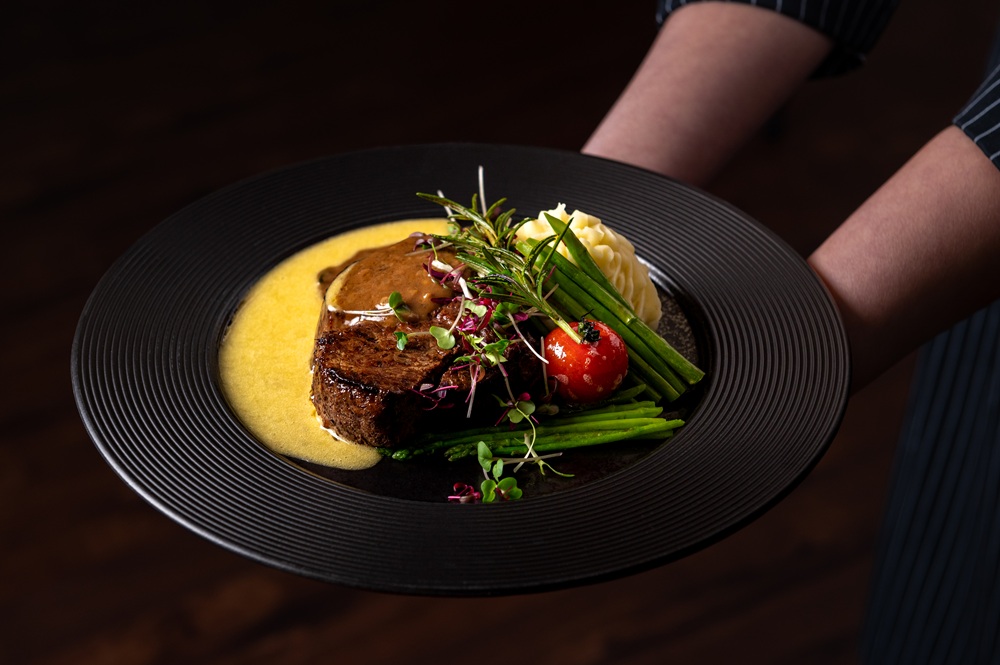
Contemporary chefs are redefining traditional dishes for modern audiences. Restaurants like Logma reinterpret comfort food while preserving heritage flavors. Recognition in the MICHELIN Guide Dubai and events like the Dubai Food Festival have further elevated Emirati cuisine on the international stage.
This growing recognition answers an important question: Emirati cuisine is no longer hidden—it is gaining global appreciation while staying rooted in tradition.
Cultural Etiquette and Dining Traditions
Traditional majlis dining emphasizes communal eating from shared platters, often seated on cushions. The right hand is used for eating, elders are served first, and hosts ensure guests are fully satisfied before serving themselves. These customs reinforce the values of respect, generosity, and unity.
Emirati cuisine carries history, hospitality, and heritage on every plate, from machboos and harees to luqaimat and gahwa. For travelers and culinary enthusiasts alike, traditional UAE food rewards exploration. If it has sparked an interest in professional culinary training, the next step is learning from experts who preserve heritage while embracing innovation.
Frequently Asked Questions
Q: What is the traditional food of the UAE?
A: Traditional UAE food centres on machboos (spiced rice with meat or fish), harees (wheat and meat porridge), and thareed (stewed bread). Dishes rely on rice, dates, seafood, and the bezar spice blend rather than intense heat, so flavours are aromatic and moderate.
Q: What is the UAE national dish?
A: Machboos is widely recognised as the UAE national dish. It is fragrant rice cooked in a spiced broth with chicken, lamb, or seafood and infused with loomi (dried lime) for a tangy depth.
Q: What are the most famous foods in the UAE?
A: The most famous foods in the UAE include machboos, harees, lamb ouzi, balaleet, and luqaimat, usually served with gahwa (Arabic coffee). These dishes appear at celebrations and in heritage restaurants across Dubai and Abu Dhabi.
Q: Is Emirati food spicy?
A: Emirati food is aromatic rather than spicy. Spice blends like bezar add warmth and fragrance through cumin, coriander, and cinnamon, but the heat level in most traditional dishes stays moderate.


.jpg)
.jpg)
.jpg)


.jpg)