
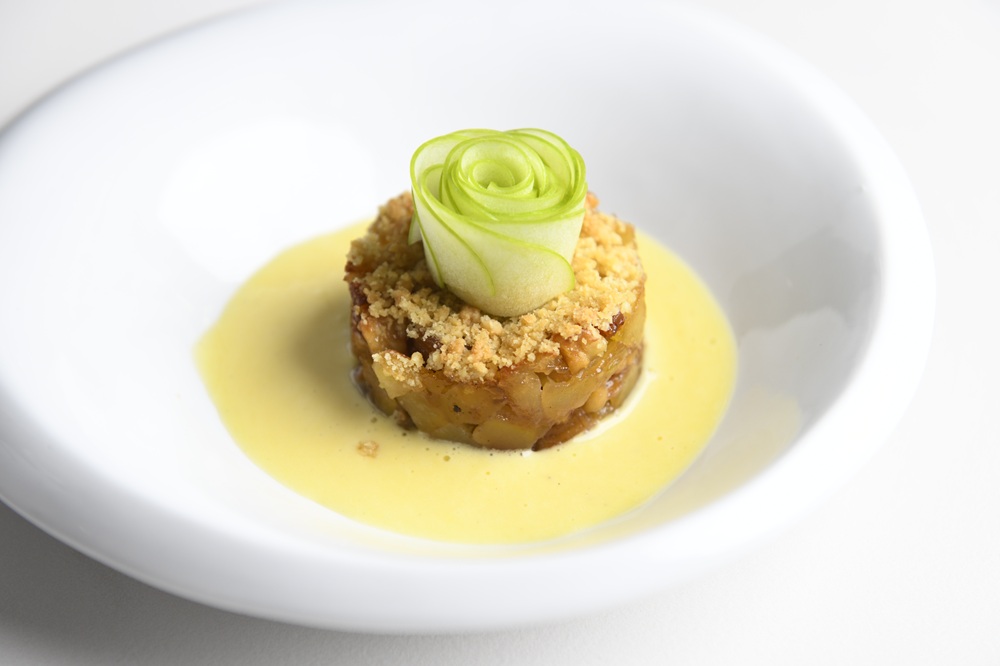
Culinary arts, also written as the culinary art, refers to the preparation, cooking, plating, and presentation of food as both a science and an artistic craft. In simple terms, the meaning of culinary arts is the professional skill of turning ingredients into finished dishes.. It involves mastering techniques, understanding ingredients, balancing flavors, applying nutrition principles, and creating visually appealing dishes that deliver memorable dining experiences.
Culinary Arts Meaning and Definition
Unlike home cooking, culinary arts follows professional standards, consistency requirements, and business operations such as cost control, menu engineering, and kitchen management. It forms the backbone of global hospitality, shaping how food is produced, served, and experienced in restaurants, hotels, resorts, bakeries, and culinary institutions worldwide.
The Evolution and History of Culinary Arts
Culinary arts evolved from simple fire cooking, believed to date back nearly two million years, to the complex and diverse food cultures seen today. Ancient civilizations such as Egypt, Greece, Rome, China, and India played significant roles in advancing cooking techniques, food preservation, and communal dining traditions.
The Renaissance era expanded culinary exploration through trade, introducing new ingredients and spices that reshaped food cultures. In the 18th and 19th centuries, innovators like Marie-Antoine Carême and Auguste Escoffier elevated cooking to a respected profession, introducing haute cuisine and the brigade de cuisine system that still influences modern kitchens.
The twentieth century brought culinary schools, televised cooking shows, and global food media that built public interest in gastronomy. In the digital age, social platforms, online tutorials, virtual classes, and technology-enabled kitchens continue to transform how culinary arts is learned, practiced, and shared across the world.
Culinary Arts vs Baking and Pastry Arts: Understanding the Distinction
Although both fall under the larger food industry, culinary arts and baking and pastry arts operate with different philosophies and techniques.

Culinary Arts
- Focuses on savory cooking
- Allows flexibility and improvisation
- Covers appetizers, mains, sauces, meats, vegetables
- Techniques include sautéing, grilling, roasting, braising
- Encourages interpretation and adaptation of recipes
Baking and Pastry Arts
- Requires precise measurements and formulas
- Involves breads, cakes, pastries, desserts, confections, chocolates
- Focuses on chemistry, temperature, and structure
- Allows minimal room for improvisation
- Relies on accuracy in timing and technique
Why Culinary Arts Is Important
Culinary arts is important because it underpins a global hospitality industry worth billions and shapes how food is produced, served, and experienced. It preserves cultural traditions, drives innovation in nutrition and sustainability, and creates structured career paths from commis chef to executive chef. For the UAE specifically, where the hospitality market is valued at USD 27.34 billion in 2025 and Dubai issued over 1,200 new restaurant licenses in 2024, trained culinary professionals are in steady demand. Beyond economics, culinary arts matters because it combines science and creativity: understanding ingredients, technique, and presentation turns everyday cooking into a respected, professional discipline with real cultural and commercial value.
Both paths offer rewarding careers, and many professionals choose to specialize in one discipline based on interest and natural skill.
Top Culinary Schools and Programs in UAE
The UAE is home to some of the region’s most respected culinary institutions, offering world-class training, modern facilities, and strong industry links.
Leading Culinary Schools in Dubai
- ICCA Dubai: Offers Worldchefs Certified Programs, Professional Diplomas, and accredited vocational courses. Known for hands-on learning, global placements, and industry immersion.
- SCAFA: Provides specialized courses, masterclasses, and short-term culinary programs.
- Dubai College of Tourism: Provides government-backed programs, internships, and industry-focused training.
Leading Culinary Schools in Abu Dhabi
- Ecole Ducasse: Brings French culinary excellence with international chef instructors.
- ICCA Abu Dhabi: Focuses on technical vocational training, offering certificates, diplomas, and advanced programs.
Program durations range from 7-week certificates to 3-year bachelor’s degrees, with fees typically between AED 6,000 and AED 40,000 per year.
Essential Culinary Skills Every Professional Must Master
Professional chefs require a strong foundation of technical and creative skills to perform efficiently in a commercial kitchen.
Core Skills Include:
- Knife skills: proper grip, julienne, brunoise, dice, chiffonade
- Mastery of cooking methods: dry heat, moist heat, and combination techniques
- Understanding the five mother sauces
- Temperature control and timing
- Flavor profiling and seasoning balance
- Plating and presentation techniques
- Nutrition and dietary awareness
- Food hygiene and safety protocols
- Time management and kitchen organization
These skills drive consistency, speed, and precision in professional kitchens.
Career Paths and Opportunities in Culinary Arts
Culinary arts opens diverse career avenues across the food and hospitality industry.
Traditional Kitchen Roles
- Commis Chef
- Line Cook
- Chef de Partie
- Sous Chef
- Head Chef
- Executive Chef
Alternative Careers
- Food stylist
- Recipe developer
- Culinary educator
- Food writer or critic
- Private chef
- Restaurant consultant
- Entrepreneur (café, food truck, cloud kitchen, catering)
The culinary industry allows room for creativity, leadership, business growth, and global mobility.
Salary Expectations for Culinary Professionals in UAE
The UAE’s thriving hospitality industry offers competitive salaries across various skill levels.
Salary Estimates
- Entry-level (Commis, Line Cook): AED 2,000 to AED 4,000 monthly
- Mid-level (Chef de Partie, Sous Chef): AED 4,000 to AED 12,000 monthly
- Senior roles (Head Chef, Executive Chef): AED 15,000 to AED 35,000+ monthly
- Premium positions in luxury hotels or Michelin-standard establishments may exceed AED 40,000 per month
Industry Statistics
According to industry reports, the UAE hospitality market is valued at USD 27.34 billion in 2025, with rapid growth driven by tourism, events, and a multicultural dining scene.
Dubai alone recorded over 1,200 new restaurant licenses issued in 2024, highlighting growing demand for culinary professionals.
Professional Kitchen Organization and Brigade System
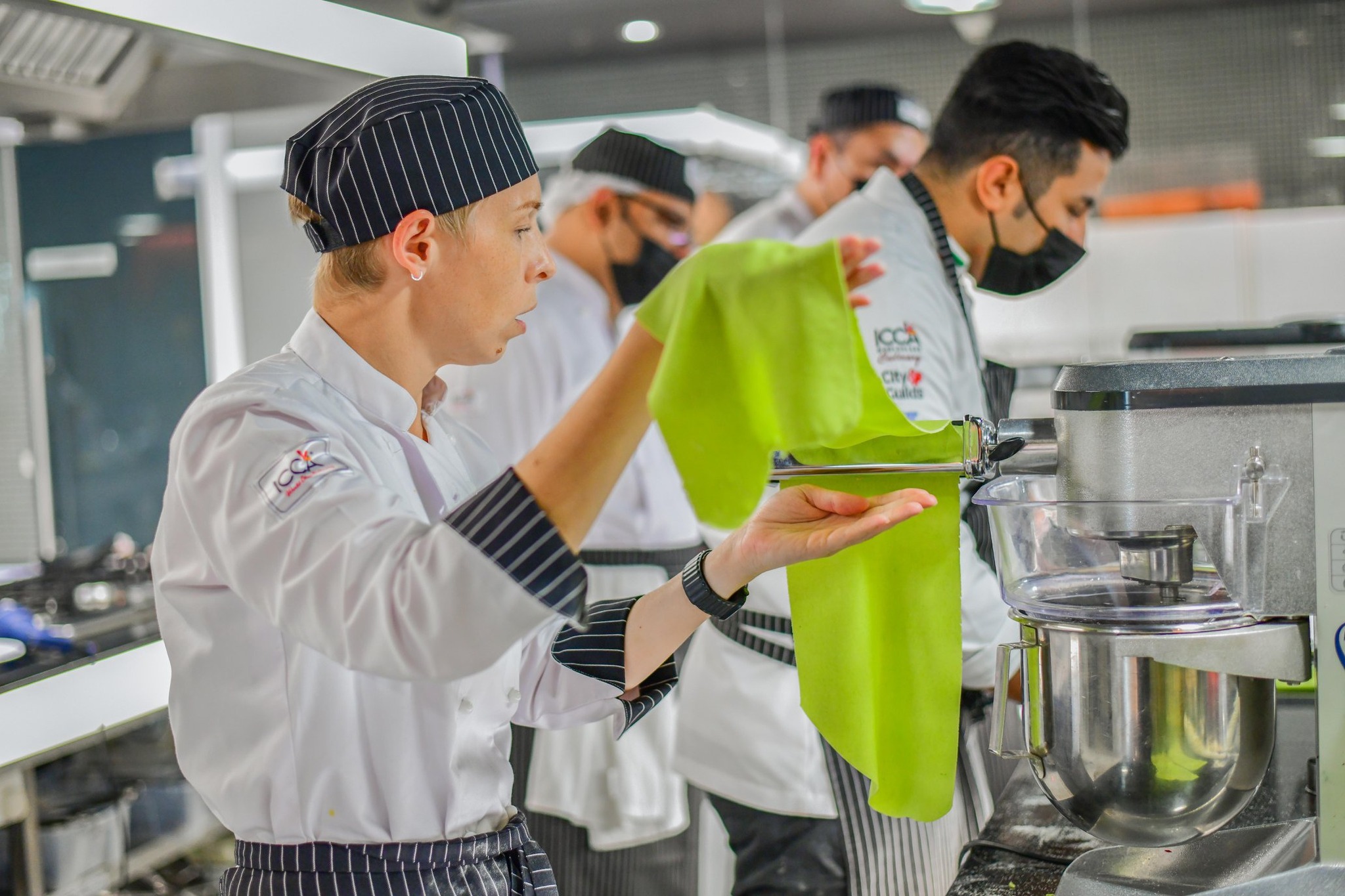
Professional kitchens rely on a hierarchical structure to ensure smooth and consistent operations. The brigade system assigns roles and responsibilities clearly.
Key Stations Include:
- Saucier (sauces)
- Poissonnier (fish)
- Rotisseur (roasts)
- Garde Manger (cold dishes)
- Patissier (desserts and pastry)
- Commis (entry-level prep)
Modern kitchens often modify this system for efficiency but continue to follow the principles of discipline, teamwork, and accountability introduced by Escoffier.
Culinary Equipment and Modern Kitchen Technology
Professional culinary environments require specialized equipment designed for precision, safety, efficiency, and volume production.
Essential Equipment
- Commercial ranges and ovens
- Combi ovens
- Blast chillers
- High-quality knife sets
- Weighing scales and precision tools
- Food processors and mixers
Modern Technologies
- Sous vide circulators
- Kitchen management software
- Digital HACCP monitoring
- 3D food printing systems
- AI-assisted menu planning and cost analysis tools
Technology is reshaping culinary arts, particularly in the UAE, where innovation and high food standards are driving rapid adoption of modern systems.
Food Safety, Hygiene, and UAE Regulations
Food safety is one of the most important aspects of professional culinary practice, especially in a market regulated as strictly as the UAE.
Key Requirements
- HACCP principles and documentation
- Proper temperature monitoring
- Cross-contamination prevention
- Allergen management
- Halal certification adherence
- Food handler training and licensing
- Compliance with Dubai Municipality or Abu Dhabi Agriculture and Food Safety Authority (ADAFSA) regulations
Kitchen operations must prioritize safety to maintain certification, avoid fines, and deliver quality food to consumers.
Building a Culinary Career: Education to Employment
Career development in culinary arts involves structured learning, practice, and industry exposure.
Steps Include:
- Choosing a certificate, diploma, or degree program
- Completing internships or industry placements
- Participating in culinary competitions
- Building a professional portfolio
- Networking with chefs and hospitality brands
- Gaining experience in various kitchen stations
- Exploring specializations or leadership roles
Institutions like ICCA Dubai support students through training, internship placements, and industry networks that help graduates start their careers on strong footing.
The Business Side of Culinary Arts
Culinary professionals must understand the operational and financial aspects of the food industry.
Core Business Skills
- Menu engineering
- Cost control (food cost targets between 28 to 35 percent)
- Inventory and supply management
- Staff training and scheduling
- Customer service excellence
- Budgeting and P&L analysis
- Marketing and branding strategies
- Entrepreneurship planning
Strong business skills keep kitchens sustainable, profitable, and consistent.
Current Trends and the Future of Culinary Arts
The culinary world is rapidly evolving, with global and UAE-specific trends shaping the future of food.
Major Trends
- Sustainability and zero-waste practices
- Locally sourced ingredients
- Plant-based and alternative protein menus
- Cloud kitchens and delivery-first models
- Digitally enhanced kitchens
- Wellness-focused and allergen-aware dining
- Virtual cooking classes and online learning
- Technology-driven menu development
The UAE, in particular, continues to innovate with food festivals, celebrity chef restaurants, Michelin recognition, and growth in cultural dining diversity.
Frequently Asked Questions About Culinary Arts
Q: Is formal culinary education necessary to become a chef in the UAE?
Formal education is not mandatory but is highly beneficial. Accredited programs offer structured training, industry exposure, and recognized qualifications.
Q: How demanding is a career in culinary arts?
It can be physically demanding. Long hours, heat, fast-paced service, and precision requirements are part of daily kitchen life.
Q: What is the typical work-life balance in UAE culinary roles?
Work schedules can include evenings, weekends, and holidays. Some senior roles offer more predictable timings.
Q: Can international students obtain work visas after completing culinary programs?
Yes. Many UAE hospitality brands hire international graduates, especially those with accredited training and internships.
Q: How long does it take to move from Commis Chef to Executive Chef?
On average, five to ten years, depending on skill, experience, performance, and opportunities.
Q: Which specializations offer the highest earning potential?
Pastry, fine dining, specialty cuisines, menu development, and executive-level roles often offer higher salaries.
Q: What is the meaning of culinary arts?
A: The meaning of culinary arts is the professional craft of preparing, cooking, plating, and presenting food as both a science and an artistic discipline. It goes beyond home cooking to include consistency standards, menu engineering, and kitchen management used across restaurants, hotels, and culinary institutions.
Q: Why is culinary arts important?
A: Culinary arts is important because it supports the global hospitality industry, preserves food culture, and creates structured career paths for chefs. In the UAE, strong demand from a USD 27.34 billion hospitality market makes culinary training a direct route into a stable, growing profession.
ICCA Dubai is one of the UAE’s leading culinary institutions, offering internationally accredited and Worldchefs-certified programs designed for aspiring chefs, career changers, and hospitality professionals. With advanced training kitchens, expert chef instructors, and strong industry partnerships, ICCA Dubai helps students transition from education to real-world culinary careers with confidence.
.jpg)
.jpg)

.jpg)
.jpg)
.jpg)

