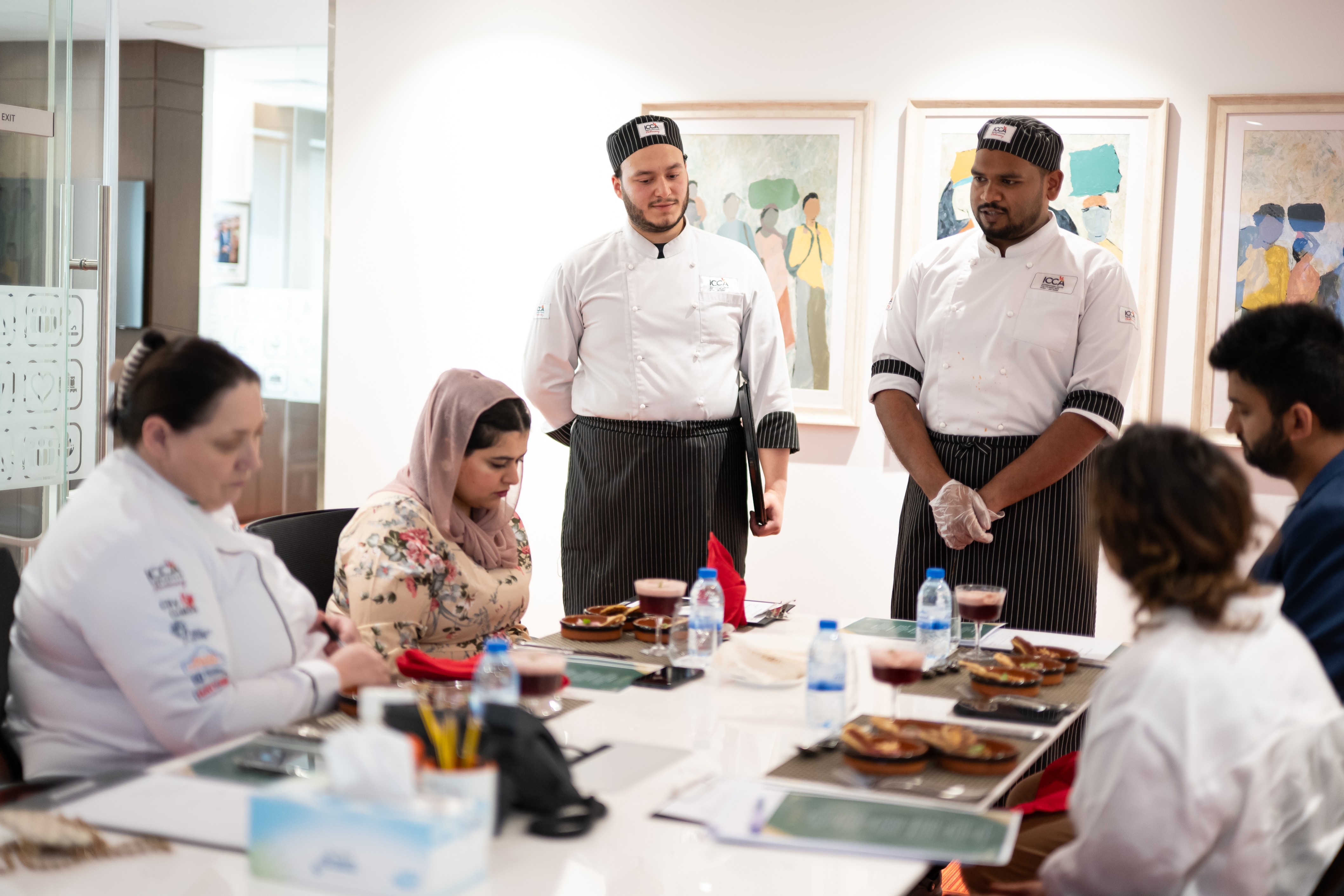
Short courses have become a practical option for learners who want focused training without committing to a full degree. For working professionals, career changers, entrepreneurs, and international students, the right short course can build job-ready skills, introduce global standards, and create useful industry connections in a much shorter time. The best countries for short courses are not only those with famous universities. They are countries where training is well regulated, courses are taught in English, certificates are recognised, and learners can connect their new skills to real career or business outcomes. For students comparing short courses in Dubai, global certifications, or broader courses to study abroad, the choice should be based on both education quality and practical return.
Why Short Courses Abroad Are Worth It
Short courses abroad are designed for learners who want focused progress. Unlike full degrees, they usually concentrate on one skill area, one industry pathway, or one professional outcome. This makes them especially useful for people who already have work experience, limited time, or a clear career direction.
The value is not only in the certificate. A good short course gives access to professional trainers, practical facilities, peer networks, and a new market environment. For example, a culinary learner in Dubai does not only learn recipes; they experience the pace, hygiene standards, service expectations, and commercial discipline of a hospitality-driven city.
When choosing a country, learners should consider accreditation, language of instruction, visa access, cost of living, course fees, lifestyle, and post-course career relevance. A lower-cost course is not always better if it lacks recognised certification or industry exposure. Equally, a prestigious destination may not be the right fit if the course is too academic for the learner’s goal.
1. UAE / Dubai — Best Overall for Short Courses
.jpg)
Why Dubai Leads for Short Courses
Dubai has become one of the strongest destinations for short courses because it combines regulated education, English-medium training, an international lifestyle, and direct access to fast-moving industries. The UAE is home to more than 200 nationalities, creating a learning environment that feels global from the first day.
For short-course learners, this matters. Dubai is not a purely academic destination; it is a working city where hospitality, tourism, finance, trade, technology, and entrepreneurship operate at international speed. The Dubai Economic Agenda D33 also aims to double the size of Dubai’s economy by 2033, strengthening the city’s position as a place for business, work, and skills development.
In culinary and hospitality training, Dubai offers something especially relevant: exposure to real hotels, restaurants, cafés, cloud kitchens, catering operations, and premium food businesses. For students exploring best courses in Dubai, this practical market context is a major advantage.
Key Highlights
Quality assurance: Dubai’s private training ecosystem is overseen by KHDA, with training institutes listed through KHDA’s education directory.
English-medium learning: Most professional short courses in Dubai are delivered in English, making the city accessible for international learners.
Tax-free environment: Dubai’s no personal income tax environment can make career progression more financially attractive for working professionals.
Multicultural peer group: Students learn alongside people from the Middle East, Africa, South Asia, Europe, and beyond.
Career-facing industries: Hospitality, tourism, F&B, business, logistics, finance, and digital sectors all create demand for practical skills.
Professional facilities: Many institutes operate from purpose-built training centres, business districts, free zones, and hospitality environments.
Types of Short Courses Available
Dubai offers short courses across many professional fields, including:
- Culinary arts and hospitality
- Barista, pastry, bakery, chocolate, gelato, and artisan food skills
- Digital marketing and e-commerce
- Business management and entrepreneurship
- AI, data analytics, and technology
- Finance, accounting, and compliance
- Project management and leadership
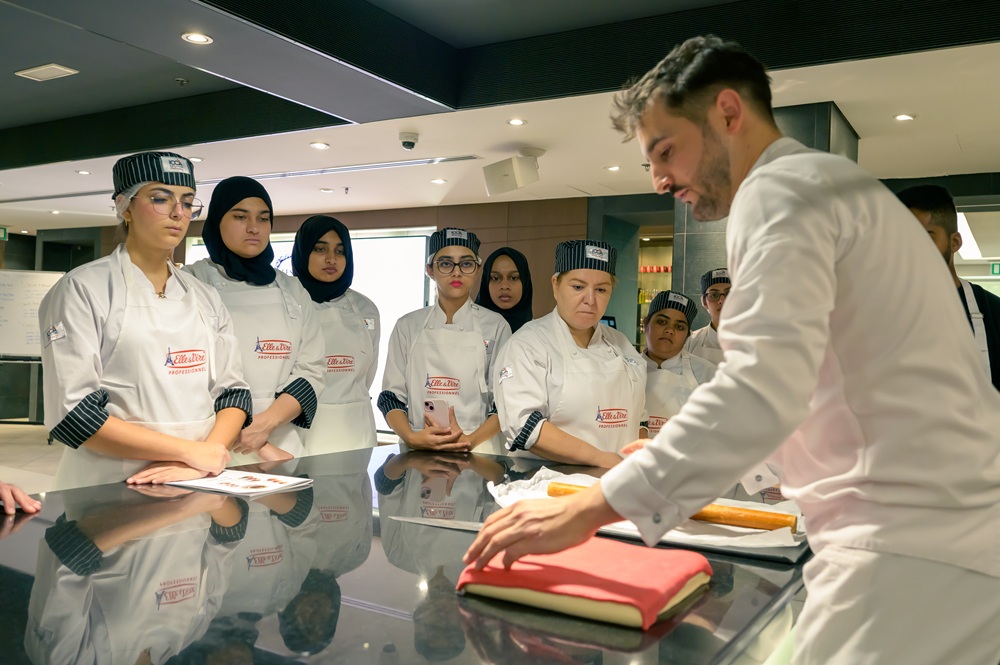
For culinary learners, ICCA Dubai offers a particularly hands-on route. Its Barista Skills program is a short, intensive option for learners who want café-ready coffee skills, while its Artisanal Courses cover practical craft areas such as bread, chocolate, sugar craft, and gelato. For those moving toward a professional chef pathway, the Professional Diploma is positioned as an application-focused, industry-centred program with City & Guilds accreditation and Worldchefs recognition.
Who It’s Best For
Dubai is one of the best countries for short courses for learners who want English-medium training, international exposure, practical facilities, and a strong connection to real business environments. It is especially suitable for career changers, entrepreneurs, hospitality professionals, and international students from the Middle East, Africa, South Asia, and beyond.
2. United Kingdom — Best for Prestigious Short Certifications
.jpg)
Why Choose the UK
The United Kingdom remains one of the most recognised education destinations in the world. For short courses, its strength lies in prestigious universities, professional awarding bodies, and certifications that are widely understood by employers.
The UK is also home to respected awarding and professional bodies such as City & Guilds, BTEC, CMI, CIPD, and other sector-specific institutions. For learners who want a certificate with global familiarity, the UK remains a strong option.
Key Highlights
Prestige: UK universities and awarding bodies carry strong international recognition.
Short-course access: The UK Standard Visitor route allows study at an accredited institution for up to six months.
Professional certification: Many short courses are linked to recognised professional bodies.
Networking: London, Oxford, Cambridge, Manchester, and Edinburgh offer strong academic and professional networks.
Types of Short Courses Available
- Business and management
- Finance and accounting
- Law and compliance
- Creative arts and media
- Culinary arts and hospitality
- Technology and data
Who It’s Best For
The UK is best for learners who value institutional reputation and internationally familiar certification. It is a strong choice for professionals seeking credibility, though living costs and course fees can be higher than in many other destinations.
3. Canada — Best for Career-Focused Learning Pathways
.jpg)
Why Choose Canada
Canada is known for its multicultural cities, career-focused colleges, and strong international student support. Toronto, Vancouver, Montreal, and Calgary offer short courses across business, technology, healthcare, and skilled trades.
“However, learners should carefully verify immigration and work eligibility requirements directly with official Canadian immigration sources, as short-course visa and PGWP eligibility varies significantly by program length and institution type. Official PGWP rules generally apply to eligible programs of at least eight months, not every short course.
Key Highlights
Multicultural environment: Canada is welcoming and diverse, especially in major cities.
Career-focused colleges: Many institutions have strong links to employers and applied learning.
English and French options: Most short courses are available in English, with French options in certain regions.
Selective work pathways: Some longer eligible programs may connect to post-graduation work options.
Types of Short Courses Available
- Technology and coding
- Healthcare support
- Business management
- Digital marketing
- Trades and applied skills
- Project management
Who It’s Best For
Canada is suitable for learners who want practical training in a multicultural environment and may later consider longer study pathways. It is less ideal for those expecting every short course to lead directly to post-study work rights.
4. Australia — Best for Lifestyle + Learning
.jpg)
Why Choose Australia
Australia is known for practical education, strong vocational training, and a lifestyle that appeals to international students. Its TAFE and vocational training culture is especially relevant for learners who want applied skills rather than purely academic study.
For international students, it is important to check that a course and provider are CRICOS-registered if studying on a student visa. CRICOS is the official Australian Government register for providers and courses available to overseas students on student visas.
Key Highlights
Practical training culture: Australia has a strong tradition of applied and vocational learning.
Lifestyle appeal: Safe cities, outdoor living, and diverse communities attract learners worldwide.
Student visa structure: The Subclass 500 visa allows study in eligible courses and limited work rights.
Strong sectors: Hospitality, healthcare, trades, business, and creative fields are popular.
Types of Short Courses Available
- Hospitality and cookery
- Healthcare support
- Business and management
- Trades and technical skills
- Creative arts
- English language training
Who It’s Best For
Australia is best for learners who want a balance of practical education and lifestyle. It suits students who are prepared for higher living costs and who carefully check visa and course registration requirements.
5. Germany — Best for Affordable Technical Courses
.jpg)
Why Choose Germany
Germany is highly respected for engineering, manufacturing, technology, automotive training, and applied technical education. It is also attractive because many public universities charge low or minimal tuition fees for degree programs, while short courses and summer schools can offer focused access to German expertise.
The DAAD database lists international programs, including language courses and short courses, making it a useful starting point for learners researching options in Germany.
Key Highlights
Technical strength: Germany is strong in engineering, automotive, renewable energy, and manufacturing.
Affordable public education culture: Public universities are often more cost-effective than destinations such as the UK or Australia.
English options: Many short courses are available in English, especially in major cities.
Industry connection: Germany’s industrial base gives technical learners strong market relevance.
Types of Short Courses Available
- Engineering and manufacturing
- Automotive technology
- Renewable energy
- Data and technology
- German language
- Technical summer schools
Who It’s Best For
Germany is best for technically minded learners who want strong academic and industrial credibility. It is especially suitable for engineering, manufacturing, and technology-focused professionals.
6. Singapore — Best for Business & Finance Short Courses
.jpg)
Why Choose Singapore
Singapore is one of Asia’s strongest business and finance hubs. It offers a compact, efficient, English-speaking environment with excellent infrastructure and access to Asia-Pacific markets.
For professionals in finance, supply chain, fintech, analytics, and leadership, Singapore provides strong executive education options. INSEAD’s Asia Campus is located in Singapore, described by the institution as Asia’s hub of business and innovation.
Key Highlights
Business hub: Singapore is highly relevant for finance, fintech, trade, and regional leadership.
English-medium learning: English is widely used in education and business.
Executive education: Strong options are available through universities and global business schools.
Efficient environment: Safe, organised, and easy to navigate for short-term learners.
Types of Short Courses Available
- Finance and fintech
- Business analytics
- Supply chain management
- Executive leadership
- Digital transformation
- Entrepreneurship
Who It’s Best For
Singapore is best for professionals working across Asia-Pacific markets who want business-focused learning in a highly efficient environment. It is particularly strong for finance, management, and analytics, though costs can be high.
7. Ireland — Best for Tech & Innovation Courses
.jpg)
Why Choose Ireland
Ireland has built a strong reputation as a European technology and innovation hub. Dublin hosts many global technology companies, and the country’s English-speaking environment makes it accessible for international learners.
Short courses in Ireland are especially relevant for technology, data, digital media, cybersecurity, entrepreneurship, and innovation. However, learners should note that Ireland’s post-study work route is generally linked to recognised higher education awards, such as Level 8 or Level 9 qualifications, rather than all short-course programs, so students should verify eligibility directly with institutions and immigration authorities.
Key Highlights
Tech ecosystem: Ireland is closely associated with global technology and digital business.
English-speaking: The learning environment is accessible for international students.
European location: Ireland gives learners exposure to the EU market.
Innovation culture: Strong startup, digital, and research-driven communities.
Types of Short Courses Available
- Data science
- Cybersecurity
- Digital media
- Entrepreneurship
- Business innovation
- Software and technology
Who It’s Best For
Ireland is best for learners interested in technology, innovation, and European business exposure. It is a strong option for English-speaking students who want a smaller, internationally connected study environment.
8. New Zealand — Best for Creative & Outdoor Skills

Why Choose New Zealand
New Zealand is valued for its safe environment, smaller class sizes, creative industries, and outdoor lifestyle. It is not the largest short-course market, but it offers a distinctive learning experience for students who want practical skills in a calm and highly liveable setting.
Its strengths include film, design, agriculture, tourism, outdoor education, sustainability, and environmental studies. For some learners, the smaller scale of the country can make the experience more personal and focused.
Key Highlights
Safe and welcoming: New Zealand is known for a relaxed and student-friendly environment.
Creative industries: Film, design, media, and creative production are strong areas.
Outdoor learning: Adventure tourism, recreation, and environmental courses are distinctive.
Personalised experience: Smaller class sizes can support closer trainer interaction.
Types of Short Courses Available
- Film and creative production
- Design and visual arts
- Outdoor recreation
- Agriculture and sustainability
- Tourism and hospitality
- Environmental studies
Who It’s Best For
New Zealand is best for learners seeking creative, outdoor, environmental, or tourism-related short courses in a quieter, more personal learning environment.
How to Choose the Right Country for Your Short Course
Accreditation & International Recognition
Start with the certificate. Check whether the course is accredited, recognised by a professional body, or issued by a reputable institution. In culinary education, for example, a City & Guilds qualification or Worldchefs recognition carries a different level of professional meaning than an informal attendance certificate.
Visa Requirements & Ease of Entry
Short courses can fall under different visa rules depending on the country, duration, and provider. The UK allows certain short studies under the Standard Visitor route for up to six months, while Australia requires careful checking of CRICOS registration for student visa purposes. Canada and Ireland have post-study pathways, but these are usually linked to eligible longer programs, not every short course.
Cost of Living & Course Fees
A short course may look affordable until accommodation, transport, meals, visa costs, and insurance are added. Germany may be attractive for technical learners seeking lower tuition options, while Singapore, the UK, and Australia may require a higher overall budget.
Language of Instruction
English-medium destinations such as Dubai, the UK, Canada, Australia, Singapore, Ireland, and New Zealand are easier for many international learners. Germany also offers English-taught short courses, especially in major cities, but learners should still check the language requirements before applying.
Post-Course Career Opportunities
The best short course should connect to a real next step. This may be a new job, an internal promotion, a freelance service, a business launch, or a further study pathway. For hospitality and culinary students, Dubai offers a particularly practical environment because training can be connected to hotels, restaurants, cafés, catering, and food businesses operating at international standards.
For learners comparing global destinations with Dubai-based options, ICCA’s culinary pathway offers a strong example of skills-based education that moves from classroom practice to professional application. Its diploma, barista, and artisanal programs are not only about learning techniques, but about understanding how those techniques work inside real kitchens, bakeries, cafés, and hospitality businesses.
Choosing a Short Course That Can Move With Your Career
A short course is most valuable when it gives you skills that can travel across markets. The country matters, but the training environment matters even more. A good course should give you structure, discipline, recognised learning outcomes, and enough practical exposure to help you apply the skill immediately.
For culinary and hospitality learners, Dubai offers a strong combination of international access and operational reality. ICCA Dubai’s programs sit within that environment, allowing students to train in professional kitchens, understand industry expectations, and build skills that can support employment, entrepreneurship, or further professional development.
Learners considering culinary, bakery, pastry, café, or artisan food pathways can explore ICCA Dubai’s Professional Diploma, Barista Skills, and Artisanal Courses as practical routes into internationally relevant food and hospitality skills.
.jpg)
.jpg)