Dubai has become one of the world’s most active tourism economies, supported by hotels, airlines, restaurants, events, cultural attractions, business travel, and a growing visitor experience industry. In 2025, Dubai welcomed 19.59 million international visitors, marking another record year for the emirate’s tourism sector.
For students and professionals, this makes Dubai a practical place to study travel, tourism, hospitality, and food-related career pathways. The city is not only a destination; it is also a working training ground where service standards, multicultural guest expectations, and commercial hospitality operations are visible every day.
This guide compares some of the best travel and tourism courses in Dubai, including tourism diplomas, IATA certification, hospitality management degrees, executive courses, online learning, and culinary programs linked to Dubai’s food tourism and hospitality sector.
Why Study Travel and Tourism in Dubai?
Dubai’s tourism industry is closely connected to aviation, hotels, restaurants, events, retail, leisure, and destination experiences. The UAE Ministry of Economy notes that travel and tourism are major contributors to the national economy, while Dubai’s Department of Economy and Tourism continues to position the emirate as a leading global visitor destination.
This creates career opportunities across several practical areas: travel agencies, airlines, hotel operations, guest relations, destination management, tourism marketing, event coordination, food and beverage operations, and culinary tourism.
For learners comparing tourism courses in Dubai, the right choice depends on the career route. Some students need IATA travel agency knowledge. Others need hotel operations, destination strategy, or a full degree. For those interested in hospitality and food tourism, practical culinary training can also become a strong entry point into Dubai’s visitor economy.
Students exploring broader hospitality pathways may also find ICCA’s guide to hotel management courses in Dubai useful, especially if they are comparing tourism, hotel, and food service careers together. For a wider view of skill-based study options, this guide to the best courses in Dubai also helps place tourism training within the city’s broader professional education market.
1. Professional Diploma in Culinary Arts, ICCA Dubai - Best for Food Tourism & Hospitality Careers

Program Overview
Food is now an important part of how visitors experience Dubai. Hotels, resorts, restaurants, cruise hospitality, destination dining, catering, luxury events, and curated culinary experiences all sit inside the wider tourism economy.
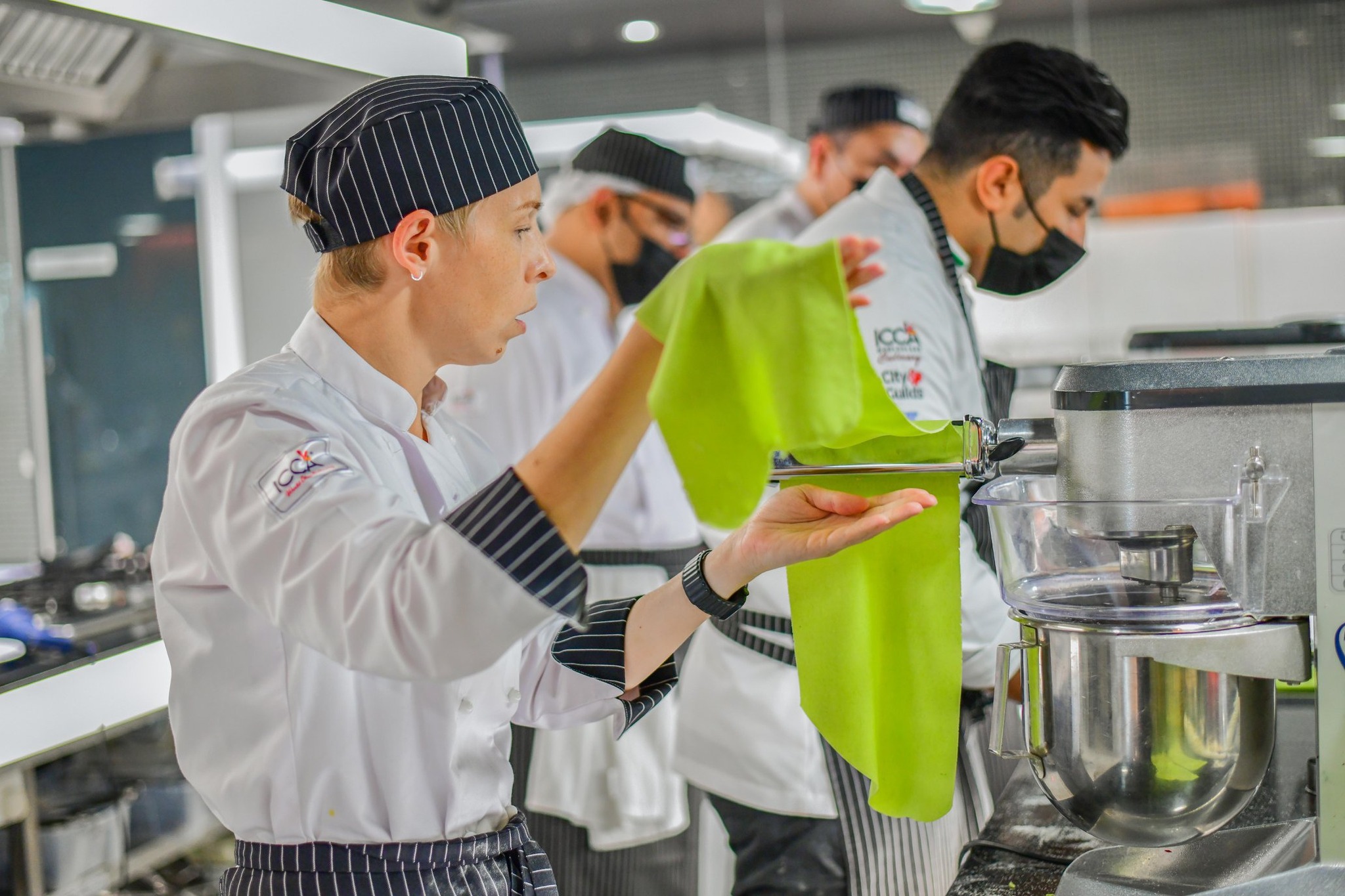
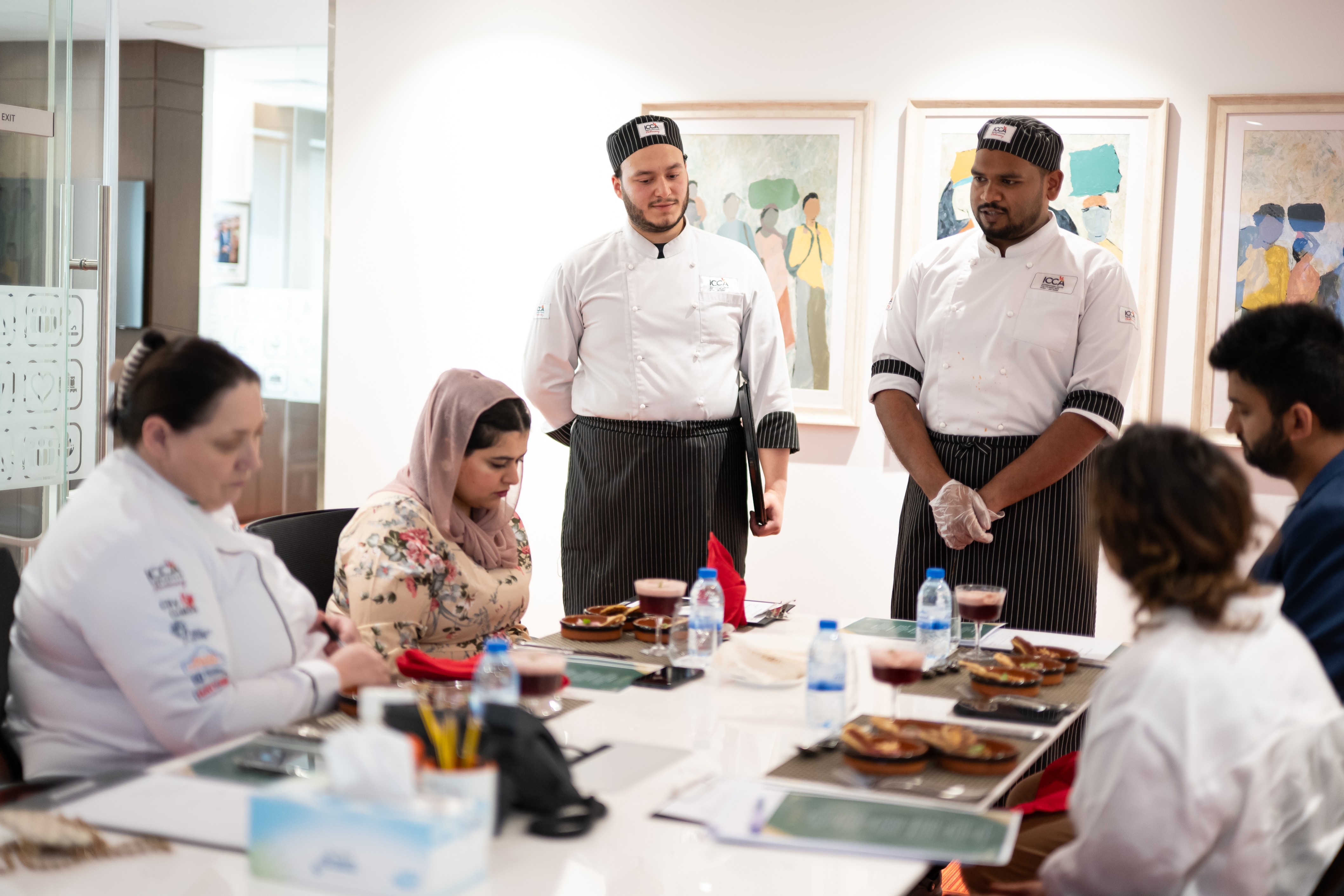
The Professional Diploma Programs at ICCA Dubai are a strong choice for students who want to enter Dubai’s tourism and hospitality industry through the food service pathway. Unlike a general tourism course, this route focuses on the working skills needed inside real kitchens, bakeries, pastry sections, hotels, restaurants, and food businesses.
ICCA Dubai’s professional culinary programs are especially relevant for learners who want a hands-on, career-oriented education rather than a purely classroom-based tourism qualification. The training connects directly to hospitality operations, where consistency, timing, hygiene, production planning, teamwork, and guest satisfaction matter every day.
Key Highlights
ICCA Dubai’s professional diploma pathway includes internationally recognised culinary training, with programs such as the Diploma in Culinary Arts - Cookery, Baking & Patisserie, and advanced progression options.
The program is delivered in Dubai Knowledge Park and is designed around practical kitchen learning, professional production standards, and industry readiness. ICCA’s own course information describes its cookery diploma as City & Guilds accredited, with professional chef training and job placement support.
Key features include:
- City & Guilds, London accreditation
- Worldchefs recognition and international culinary certification pathways
- 3 months full-time or 12 months part-time weekend study structure
- Practical training in professional kitchen facilities
- International faculty and industry-focused delivery
- Placement support with UAE hospitality brands
- Visa support options for international students
- Fees starting from AED 47,448 for the Level 2 cookery diploma, based on ICCA’s published course information
For students who want to move into supervisory roles later, ICCA’s Level 3 Advanced Diploma can also support progression toward kitchen management, culinary supervision, and food business leadership.
Career Scope
Graduates can explore roles such as:
- Commis chef or chef de partie in hotels and restaurants
- Pastry chef in hotels, cafés, resorts, or cruise hospitality
- Bakery or patisserie production staff
- Catering and banquet kitchen team member
- Culinary entrepreneur or food business founder
- Food tourism experience provider
- Culinary support role for hotel events and MICE functions
Dubai’s tourism sector also creates demand for food-led experiences, from hotel brunches and destination dining to private dining, food festivals, and corporate culinary events. For learners who want to work close to the guest experience while building a technical skill, culinary arts can be a commercially practical tourism pathway.
Who It’s Best For
This program is best suited for students who want to enter Dubai’s hospitality and tourism sector through a practical, kitchen-based route. It is particularly relevant for those who prefer hands-on training, structured professional standards, and a clear connection between learning and employment.
2. Tourism & Hotel Management Programs, Dubai College of Tourism (DCT) - Best for Tourism Operations
Program Overview
Dubai College of Tourism offers vocational certificate and diploma pathways across tourism, hospitality, events, culinary arts, and related service sectors. Its programs are positioned around practical learning, internships, and industry exposure within Dubai’s wider tourism ecosystem..
For students looking specifically at tourism management courses in Dubai, DCT can be a relevant option because it sits close to Dubai’s official tourism ecosystem and focuses on the operational side of the industry.
Key Highlights
- Government-linked Dubai tourism education environment
- programs across tourism, hospitality, events, and culinary arts
- Practical learning model with internships and industry exposure
- Pathways toward further bachelor’s degree study
- September 2026 applications are currently promoted on DCT’s official website
Career Scope
Graduates may consider roles such as:
- Tourism officer
- Hotel operations coordinator
- Destination management assistant
- Guest experience executive
- Events or visitor services coordinator
Who It’s Best For
This is suitable for students who want a tourism and hotel operations pathway with a structured academic progression route. It may appeal to learners who prefer a broader tourism curriculum rather than a specialised culinary or aviation-focused course.
3. IATA Travel & Tourism Diploma, WingsWay Training - Best for Travel Agencies & Airlines
Program Overview
The IATA travel and tourism pathway is one of the more recognised options for students who want to work in travel agencies, airline reservations, ticketing, or tour operations. WingsWay Training offers an IATA-certified Travel and Tourism diploma covering travel planning, booking systems, airfares, transport, and travel technology.
This type of course is less about hotel or culinary operations and more focused on travel trade knowledge, customer booking processes, and agency-related workflows.
Key Highlights
- IATA-certified travel and tourism diploma
- Covers areas such as transport, geography, booking tools, airfares, and travel technology
- Includes grooming, CV-building, mock interview, and job search support
- Internship support is promoted by the institute
- Relevant for airline, travel agency, and tour operator environments
Career Scope
Possible roles include:
- Travel consultant
- Airline reservation agent
- Ticketing executive
- Tour operator assistant
- Travel agency sales consultant
Who It’s Best For
This course is best for students who want to work in airline reservations, ticketing, travel agencies, or packaged travel services. It is especially useful when the target role requires knowledge of travel documentation, booking systems, fares, and agency operations.
4. Travel and Tourism Training, Edoxi - Best for Quick Certification
Program Overview
Edoxi Training offers a shorter travel and tourism course covering travel industry fundamentals, airline and tourism markets, customer service, and related industry knowledge. Its course page highlights online training hours, classroom or online delivery, and applied learning through projects and case-based activities.
This can be a practical option for learners who want introductory exposure to the tourism sector without committing to a long diploma or degree.
Key Highlights
- Short-term travel and tourism certification format
- Available through classroom or online delivery
- Covers travel and tourism fundamentals
- Includes customer service and industry-focused learning
- Suitable for beginners exploring tourism career options
Career Scope
Possible roles include:
- Travel consultant assistant
- Tourism coordinator
- Customer service agent
- Travel desk executive
- Entry-level tour operations assistant
Who It’s Best For
This course is suitable for learners who want a quick introduction to travel and tourism before deciding whether to pursue a longer diploma, IATA certification, or degree.
5. Hotel Management & Tourism Degree Program, Amity University Dubai - Best for a Full Degree
Program Overview
Amity University Dubai offers a Bachelor of Hotel Management and Tourism, typically delivered over four years. The program combines hospitality and tourism education with practical training, workshops, internships, and industry visits.
Compared with short tourism courses in Dubai, this is a longer academic route and may be more suitable for students who want a full undergraduate qualification.
Key Highlights
- Four-year bachelor’s degree
- Combines hotel management and tourism education
- Includes practical training, workshops, internships, and industry visits
- Suitable for international students
- Scholarship and bursary options may be available, depending on eligibility
Career Scope
Graduates may explore roles in:
- Hotel management
- Tourism marketing
- Event planning
- Hospitality operations
- Guest relations
- Entrepreneurship
Who It’s Best For
This route is best for students who want a full university degree and a broader academic foundation in hospitality and tourism. It may suit learners planning long-term management careers or postgraduate study.
6. Tourism Destination Management, Meirc Training - Best for Working Professionals
Program Overview
Meirc’s Tourism Destination Management and Branding course is designed for professionals who already work in tourism, government, destination marketing, or related sectors. The course focuses on destination competitiveness, destination management organisations, attraction factors, and tourism brand identity.
This is not an entry-level tourism course for beginners. It is better understood as an executive development course for people involved in tourism planning, strategy, or destination promotion.
Key Highlights
- Executive-level tourism management training
- Focus on destination branding and competitiveness
- Relevant to tourism boards, DMOs, and destination marketers
- Short professional format
- Useful for strategic tourism roles
Career Scope
Relevant roles include:
- Destination manager
- Tourism marketing manager
- DMO executive
- Tourism strategy officer
- Public-sector tourism development professional
Who It’s Best For
This course is best for working professionals who already understand the tourism sector and want to strengthen their destination planning, branding, and management capabilities.
7. Hospitality & Tourism Professional Training, LPC Dubai - Best for Executive Development
Program Overview
LPC Training Dubai offers professional development courses across hospitality, tourism, management, and related business functions. These programs are usually more suitable for working professionals than school-leavers, especially those seeking short-format executive learning.
Because hospitality and tourism are service-led industries, professional development courses can be useful for managers who need to improve operations, leadership, service quality, or team performance.
Key Highlights
- Short professional training format
- Various hospitality and tourism-related specialisations
- Suitable for executive and managerial learners
- Focus on workplace application
- Can support career development for existing professionals
Career Scope
Possible career applications include:
- Hospitality operations manager
- Tourism operations manager
- Hospitality trainer
- Guest experience manager
- Service quality supervisor
Who It’s Best For
This option is best for professionals already working in hospitality, tourism, or service operations who want short, structured training rather than a full diploma or degree.
8. Dubai College of Tourism Online Courses - Best for Self-Paced Learning
Program Overview
Dubai College of Tourism Online offers flexible online courses developed by industry experts for learners interested in Dubai’s tourism, hospitality, retail, and events sectors. The platform promotes self-paced study and online access for learners who want to build foundational knowledge.
For students at the early exploration stage, online tourism courses can be a low-pressure way to understand Dubai’s service standards and visitor economy before committing to a more intensive program.
Key Highlights
- 100% online learning
- Self-paced course structure
- Developed with the Dubai tourism and hospitality context
- Useful for beginners and career switchers
- Affordable or accessible starting point compared with longer programs
Career Scope
These courses may support entry-level preparation for:
- Tourism assistant roles
- Guest service roles
- Travel agency support roles
- Hospitality front-of-house roles
- Further study in tourism or hospitality
Who It’s Best For
This option is best for learners who want flexible, introductory exposure to Dubai’s tourism sector. It can also support professionals who want to refresh their understanding of service standards without enrolling in a full-time course.
How to Choose the Right Travel & Tourism Course in Dubai
IATA vs Non-IATA Certification
IATA certification is most relevant for travel agencies, airline reservation, ticketing, and travel consultant roles. If your goal is to work with airfares, bookings, travel documentation, or agency operations, an IATA route can be useful.
Non-IATA tourism courses may be more suitable for hotel operations, destination management, events, hospitality, culinary tourism, and guest experience careers. The right choice depends less on the name of the course and more on the job environment you want to enter.
Duration & Schedule
Short courses can help beginners test their interest or working professionals update specific skills. Diplomas usually offer deeper structure and stronger career preparation. Degrees provide broader academic grounding but require a longer time commitment.
For example, a student who wants to work quickly in a practical hospitality environment may prefer a focused diploma. A student targeting long-term academic progression may prefer a bachelor’s degree.
Internship & Placement Opportunities
In Dubai’s tourism and hospitality market, workplace exposure matters. Hotels, restaurants, travel companies, event venues, and tourism operators all look for people who understand service rhythm, guest expectations, and operational discipline.
When comparing programs, check whether the course offers internships, placement support, industry visits, practical projects, or employer connections. These factors can make a major difference, especially for students without previous UAE experience.
Career Path Alignment
Before choosing a course, identify the working environment you want:
- Airlines and travel agencies: IATA travel and tourism certification
- Hotels and resorts: hospitality or hotel management programs
- Food tourism and restaurants: culinary arts and hospitality training
- Tourism boards and DMOs: destination management training
- Events and MICE: hospitality, tourism, or event management pathways
- Flexible entry-level learning: online tourism courses
For learners drawn to the food side of hospitality, ICCA Dubai’s culinary diploma pathway provides a practical route into kitchens, hotels, restaurants, catering, and experience-led food businesses.
Fees & Value
Course fees vary widely depending on qualification level, duration, facilities, certification, and career support. A short online course may be affordable, while a full degree or professional diploma requires a larger investment.
The better question is not only “How much does the course cost?” but “What capability will I have after completing it?” In tourism and hospitality, value often comes from practical skills, industry relevance, placement support, and the ability to perform confidently in a real service environment.
Building a Career in Dubai’s Tourism Economy
Dubai’s tourism industry is not built around one type of job. It needs travel consultants, hotel professionals, chefs, pastry specialists, guest service teams, event coordinators, destination marketers, and tourism entrepreneurs.
For students comparing travel and tourism courses in Dubai, the strongest course is usually the one that connects directly to the type of work environment they want to enter. A classroom certificate may introduce the industry. An IATA program can support airline or agency pathways. A degree may suit long-term management ambitions. A practical culinary diploma, however, places students directly inside one of tourism’s most commercially active sectors: hospitality and food service.
For learners who see themselves working in hotels, restaurants, resorts, catering, events, or experience-led food businesses, ICCA Dubai’s Professional Diploma Programs offer a more operationally focused pathway into the hospitality industry. The emphasis on practical training, kitchen discipline, production environments, and workplace readiness makes the transition into Dubai’s tourism ecosystem considerably more direct for many aspiring hospitality professionals.