Brand activation marketing is where a brand stops speaking at an audience and gives people something meaningful to experience. That experience may be a product trial, chef demonstration, retail pop-up, interactive event, tasting session, competition, workshop, or digital participation mechanic. The format varies, but the commercial purpose remains consistent: to turn awareness into a measurable response. For hospitality, food and beverage brands, activation has particular value because many product qualities cannot be communicated fully through advertising. Taste, texture, aroma, presentation, ease of use and service application have to be experienced. A chef deciding whether to use an ingredient, a retailer assessing a new product, and a consumer trying a beverage for the first time all need different forms of engagement.
Dubai provides a highly active setting for this work. The emirate welcomed 19.59 million international overnight visitors in 2025, according to the Dubai Department of Economy and Tourism. Its combination of tourism, retail, exhibitions, hotels, restaurants, events and multicultural consumer audiences creates repeated opportunities for brands to engage both trade and public markets.
It also raises the standard of execution. A busy venue or attractive installation is not enough. Effective brand activation campaigns need a clear audience, a relevant experience, operational control and a plan for converting participation into insight, adoption, sales or longer-term engagement.
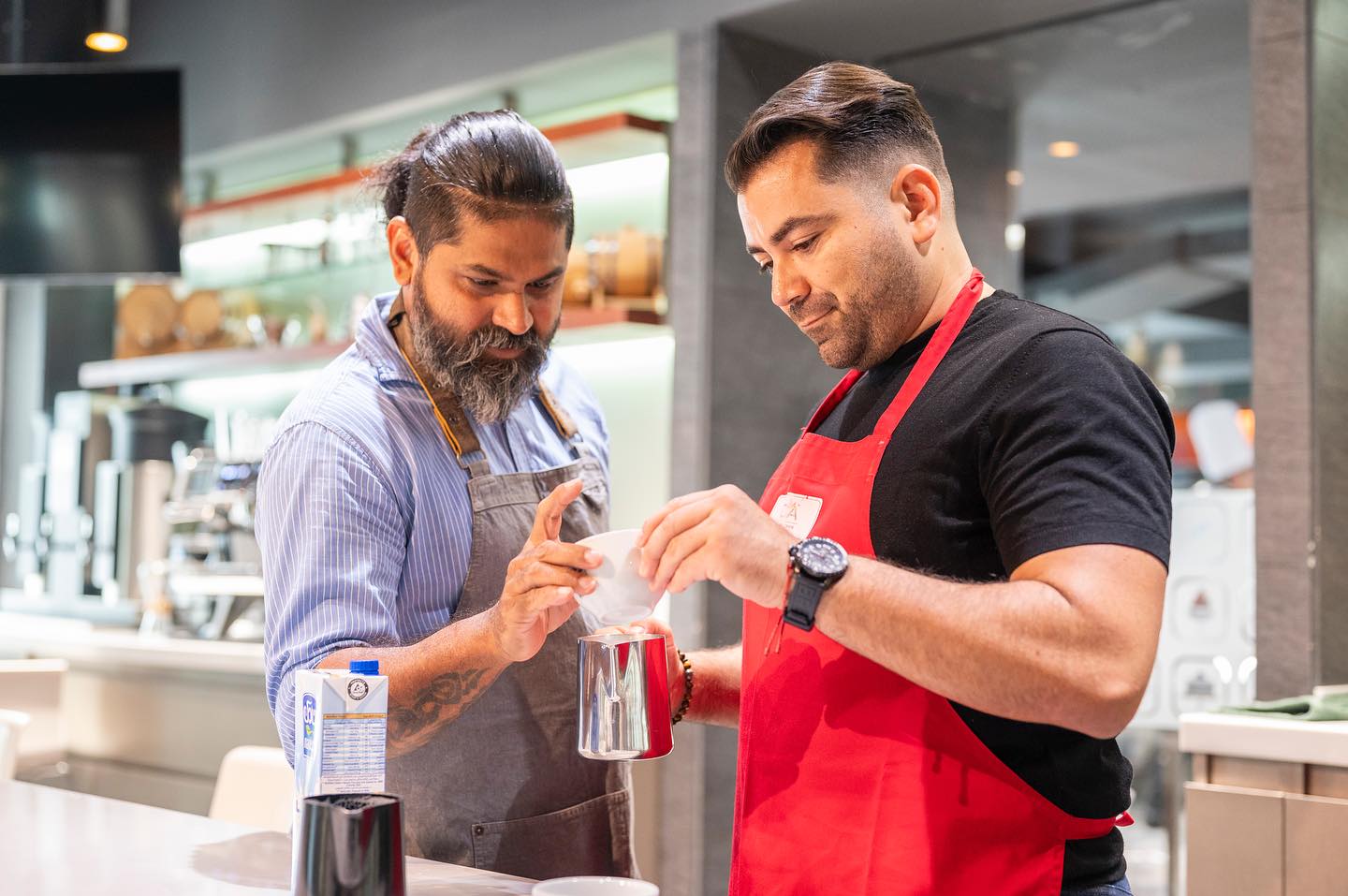
For F&B companies, ICCA Dubai’s Brand Activations service provides one industry-specific route: chef-led and structured product engagement through blind tastings, focus groups, comparative product studies, sensory evaluation and consumer insight sessions.
This guide explains how brand activation marketing works, how it differs from adjacent disciplines, how to build a practical brand activation strategy and how brands can connect live experience with measurable business outcomes.
Why Brand Activation Marketing Matters Now
.jpg)
Advertising remains important, but audiences have become more selective about what they notice and remember. Consumers move quickly between social media, streaming platforms, search, retail environments and physical events. Exposure alone does not guarantee attention, and attention does not necessarily lead to action.
Many brands therefore continue to invest in live consumer engagement, product sampling, pop-ups, event-based campaigns and other forms of experiential activity. These formats offer something conventional media cannot always provide: direct participation.
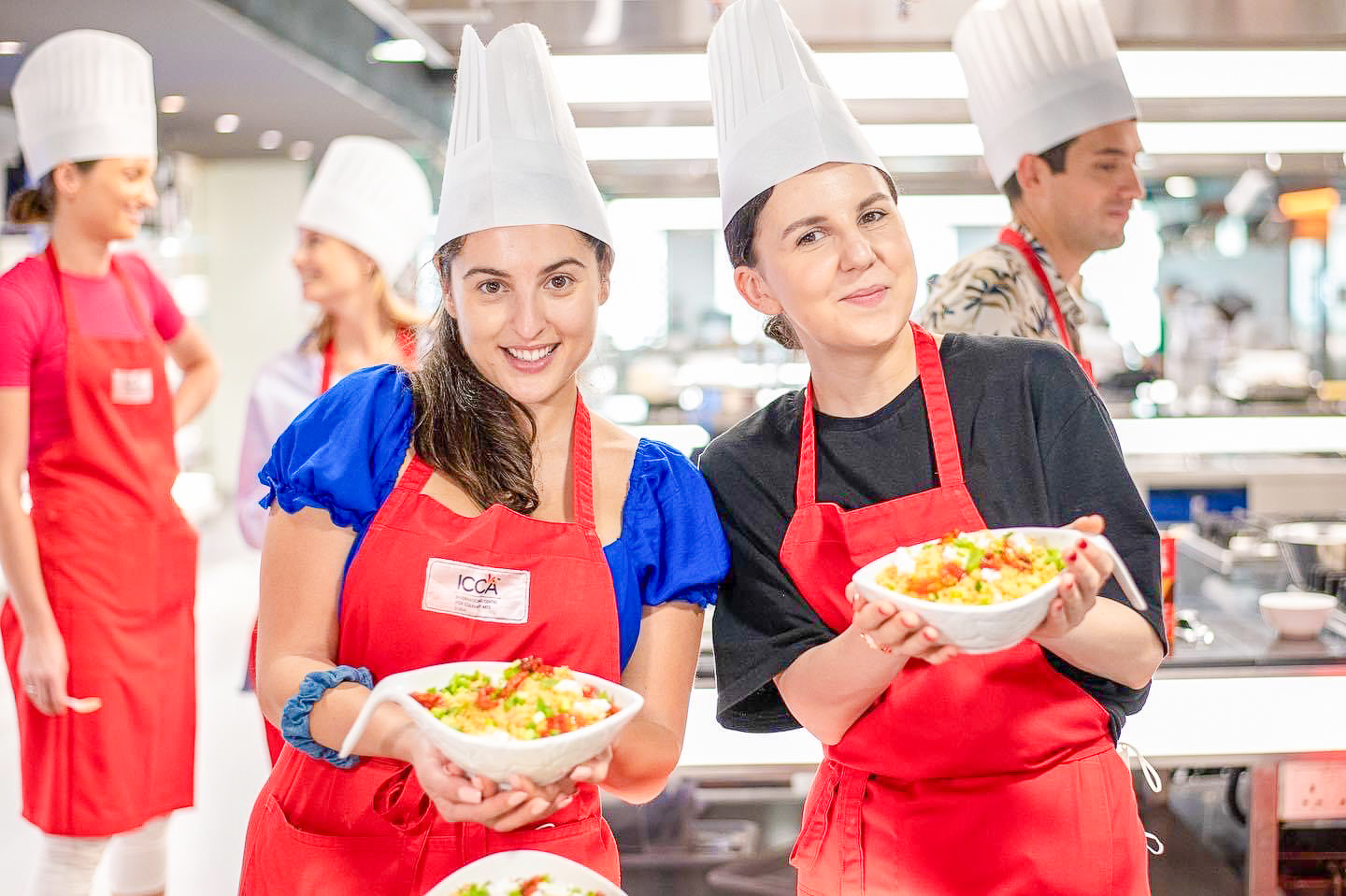
A consumer can taste a product, compare alternatives, speak to a representative, watch a chef use an ingredient or understand how a product fits into a real occasion. A hospitality buyer can see equipment operating under realistic conditions. A culinary team can learn how a new product affects preparation, consistency or service speed.
The commercial value is not limited to immediate sales. Brand activation marketing can also support:
- Product launches and market entry
- Consumer and chef education
- Product testing and comparative evaluation
- Qualified lead generation
- Retail conversion
- Trade and distributor engagement
- Menu or recipe application
- Staff capability development
- Content creation
- Brand recall and preference
- Post-event sales conversations
Dubai’s market makes these objectives especially relevant. Consumer audiences are culturally diverse, hospitality operators work across international standards, and F&B brands frequently serve both retail and foodservice channels. A product may appeal differently to home consumers, chefs, hotel purchasing teams, restaurant operators and distributors.
Live engagement allows brands to observe these differences. It can reveal how people respond to flavour, packaging, price, product education and intended use. When the activation is supported by structured feedback and a defined follow-up plan, it becomes more than a promotional moment. It becomes part of the brand’s commercial learning process.
What Is Brand Activation Marketing?
Brand activation marketing is the discipline of designing live or interactive experiences that turn consumer awareness into measurable action.
The action may be a trial, purchase, enquiry, registration, tasting response, social share, meeting request or change in product preference. Some activations are consumer-facing. Others are designed for professional chefs, retailers, buyers, distributors, hospitality teams or other industry audiences.
Brand activation sits within the broader marketing mix. Advertising may introduce the message. Public relations may build credibility. Digital media may extend reach. Sales teams may manage conversion. Brand activation creates the point at which an audience actively encounters the brand.
It can take place through physical, digital or hybrid channels. Common formats include:
- Experiential events
- Sampling campaigns
- Pop-ups
- Retail demonstrations
- Trade-show activations
- Sponsorship programs
- Creator collaborations
- Culinary demonstrations
- Blind tastings
- Chef education
- Competitions
- Product application workshops
The strongest brand activation strategy connects the experience to a specific commercial or operational objective. Without that connection, the campaign may generate attention but little lasting value.
How It Differs from Traditional Marketing
Traditional marketing often depends on one-way communication. The brand develops a message and distributes it through advertising, print, broadcast, outdoor media, public relations, or digital channels.
Brand activation asks the audience to participate.
Instead of only seeing an advertisement for a new beverage, the consumer tastes it. Instead of reading about a new foodservice ingredient, a chef sees how it performs in a recipe. Instead of receiving a brochure about equipment, an operator watches it being used in a working kitchen environment.
This distinction improves the quality of feedback available to the brand. Teams can observe dwell time, questions, product handling, taste preference, purchase intent and practical concerns.
Traditional marketing and brand activation are not competing disciplines. They work best together. Advertising creates awareness before the activation, while content and retargeting extend the interaction afterwards.
How It Differs from Digital-Only Campaigns
Digital marketing can reach audiences efficiently, support precise targeting, and generate measurable online behaviour. However, some product attributes remain difficult to communicate through a screen.
This is particularly evident in hospitality and F&B. Digital content cannot fully reproduce taste, aroma, mouthfeel, portion size, packaging interaction, equipment performance or service experience.
A digital-only campaign may tell chefs that an ingredient is versatile. A practical chef-led session can show how it behaves across applications. A social post may introduce a restaurant concept. A live preview can reveal how the menu, service sequence and environment work together.
Digital channels remain essential to amplification. They can promote the event, manage invitations, capture registrations, share live content and support follow-up. The difference is that the physical or interactive experience provides the campaign’s central evidence.
Where It Fits in the Funnel
Brand activation can operate at several stages of the marketing and sales funnel.
At the awareness stage, an activation introduces the brand through a memorable encounter. At the consideration stage, it helps audiences ask questions, compare alternatives and understand practical benefits. At the conversion stage, it may drive purchase, enquiry, booking, retail listing or distributor discussion.
Activation can also support retention and advocacy. Existing customers may be invited to product previews, professional masterclasses or loyalty events. Chefs who understand a product through applied training may be better equipped to use and recommend it. Internal sales or hospitality teams may gain the knowledge required to communicate a product consistently.
For brands introducing ingredients, equipment or food technologies, an activation may need to lead into structured professional development. ICCA Dubai’s Continuous Professional Development programmes, for example, are designed around applied training for industry chefs and can incorporate product education, live demonstrations and hands-on engagement.
The funnel does not end when the audience leaves the room. Follow-up determines whether the interaction becomes a sale, trial, partnership or longer-term professional relationship.
The 4 Pillars of Brand Activation Marketing
A practical brand activation strategy can be organised around four pillars: audience, experience, channel and measurement.
Each pillar answers a different question:
- Who needs to be engaged?
- What should they experience?
- Where and how should the experience be delivered?
- What evidence will show whether it worked?
Pillar 1 — Audience-First Thinking
A successful activation begins with audience definition, not creative production.
Basic demographics are rarely enough. Brands also need to understand professional role, buying behaviour, product familiarity, cultural context, consumption occasion and decision-making influence.
An F&B brand may need to engage several audiences separately. Consumers can provide preference and purchase-intent feedback. Chefs can assess product performance and application. Purchasing teams may focus on cost, supply consistency and operational suitability. Distributors may consider portfolio fit and commercial demand.
The UAE market requires particular care because audience groups are highly varied. Flavour preferences, dietary requirements, language, price expectations and familiarity with product categories can differ significantly.
The activation should therefore be designed for a defined group rather than “everyone in Dubai”. A premium ingredient aimed at hotel pastry chefs requires a different environment and level of technical detail from a retail snack targeting families.
Audience-first thinking also affects recruitment. High footfall is useful only when the right people are present. A controlled session with 25 relevant chefs may generate more commercial value than a public event attracting hundreds of casual visitors.
Pillar 2 — Designing the Experience
The experience should make the brand’s value understandable through participation.
This requires more than attractive staging. The activation needs a clear sequence: arrival, introduction, interaction, explanation, feedback, and next step.
For a food product, the experience might involve tasting the product independently, comparing it with alternatives and then testing it in a recipe. For kitchen equipment, participants may need to see technical features, workflow impact, cleaning requirements and consistency across repeated use.
The design should reflect the commercial objective. A product launch may prioritise visibility and storytelling. A product-development session may require controlled variables and detailed feedback. A chef education program may need demonstrations, practical application and assessment.
The same principle applies to hospitality concepts. When a restaurant or café is refining its proposition, restaurant concept development workshops can connect market positioning with cuisine, service, design and pre-opening operations. The activation may then introduce the concept to selected audiences after the fundamentals are established.
Good experience design removes unnecessary complexity. Participants should understand what they are being asked to do, while the brand should know what information it needs to capture.
Pillar 3 — Choosing the Right Channels
Channel selection should follow the audience and objective.
Retail activations work well when the goal is trial close to the point of purchase. Trade exhibitions provide access to buyers and industry professionals. Private chef sessions allow more technical discussion. Hotels and restaurants can provide realistic service environments. Public events can support visibility and consumer reach.
Dubai offers a wide range of activation settings, including malls, hotels, exhibitions, business districts, culinary facilities, retail destinations, and seasonal festivals. Each environment creates different advantages and operational constraints.
A trade-show activation may produce initial interest, but complex ingredients or equipment often require more time than a busy exhibition stand allows. In such cases, a brand can use the show to generate contacts and invite selected chefs or operators to a later demonstration, masterclass or CPD session.
Culinary competitions can also act as an industry-engagement channel. When responsibly structured, culinary competitions give brands visibility through professional participation and real product use rather than display alone.
The right channel is not always the largest. It is the environment in which the audience can understand the product and the brand can achieve its intended outcome.
Pillar 4 — Closed-Loop Measurement
Measurement must be designed before the activation begins.
The first step is to define success. A campaign may aim to generate product trials, qualified leads, buyer meetings, chef participation, retail conversion, content assets, or comparative product insight. Each objective requires different indicators.
Closed-loop measurement connects event activity with later outcomes. It asks not only how many people attended, but what happened afterwards.
Did participants request more information? Did chefs use the product again? Did buyers progress to a commercial conversation? Did feedback influence formulation, packaging, recipe application or communication? Did the activation improve sales velocity or support a retail listing?
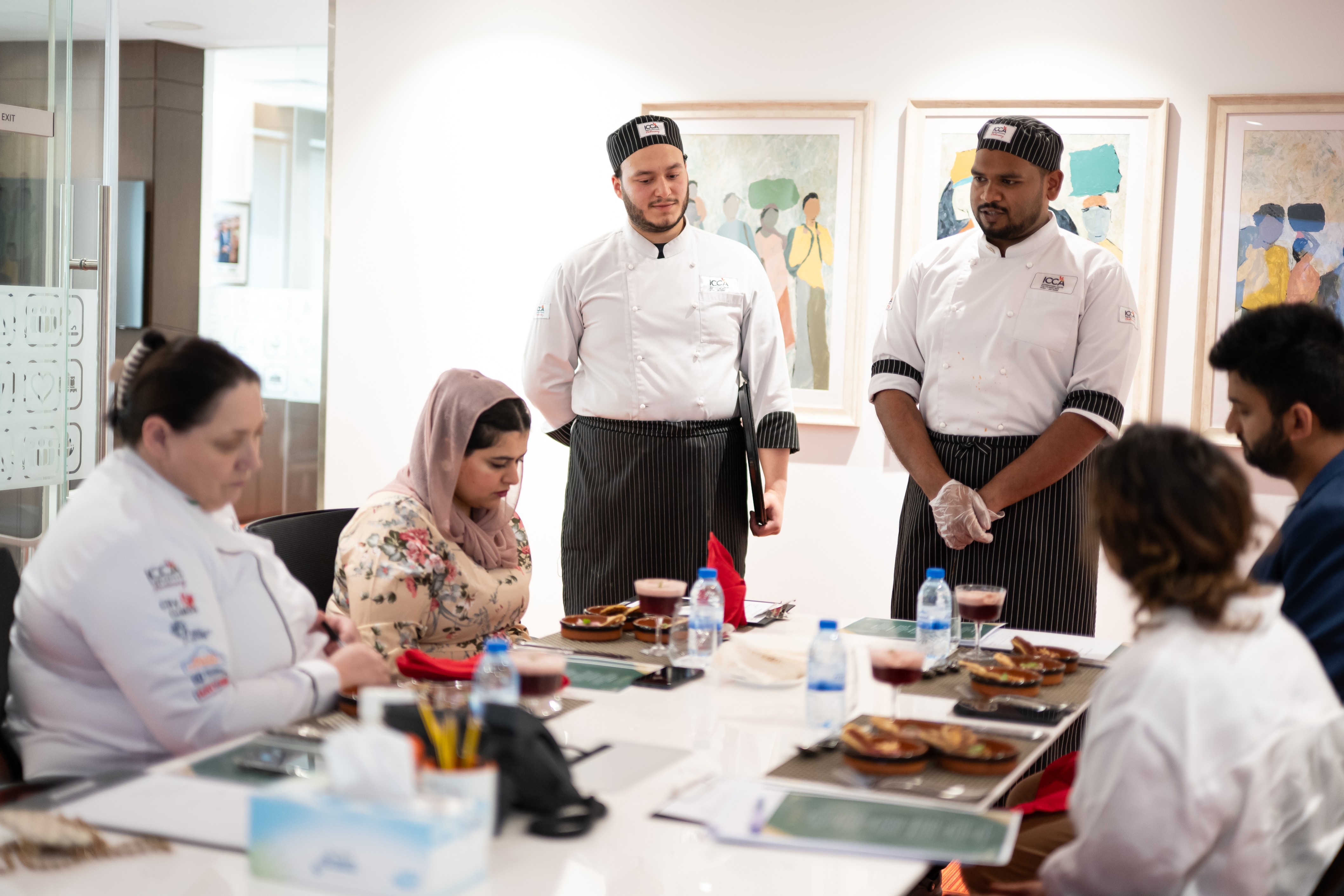
For product evaluation, structured formats can improve the quality of evidence. Blind tastings can reduce brand bias. Comparative studies can identify relative strengths and weaknesses. Focus groups can explore the reasons behind preference. Chef evaluation can identify practical application issues that consumers may not notice.
ICCA Dubai’s Brand Activations service brings these formats into a professional culinary setting, allowing F&B brands to connect market engagement with product development and application.
Types of Brand Activation Marketing Campaigns
Brand activation campaigns can be grouped into six main types. Many programs combine more than one.
Experiential Marketing
Experiential marketing creates an immersive or participatory brand encounter. It is a subset of brand activation rather than a separate name for the entire discipline.
Formats can include pop-ups, installations, live demonstrations, interactive exhibitions, branded dining experiences and hands-on workshops.
The experience should express something meaningful about the brand. A hospitality company may build an activation around service and atmosphere. A food brand may create a chef-led tasting journey. An equipment company may recreate a live operational challenge.
The value comes from active involvement. The audience is not only watching; it is doing, making, tasting or responding.
Sampling and Product Trials
Sampling gives consumers, chefs or professional buyers direct experience of a product before purchase, specification or wider adoption. At its simplest, this may involve distributing samples in a retail or public setting. More structured product trials examine preference, intended use, comparative performance and willingness to purchase.
For F&B brands, the next question is often not only whether people like the product, but how it can be used. A sauce, bakery ingredient, beverage, frozen product or plant-based alternative may perform well in an initial tasting but still require further work around portioning, preparation, presentation or menu application.
This is where product sampling can connect naturally with ICCA Dubai’s menu planning and recipe development service. Following an initial trial, chefs can explore suitable applications, test recipes, evaluate taste and presentation, and develop standardised preparations for hospitality or foodservice use. This helps move the product from a sample served in isolation towards a credible dish, beverage or menu proposition.
The appropriate format depends on the objective. High-volume sampling may suit a familiar consumer product, while an ingredient intended for hotels, restaurants or cafés may benefit from controlled tasting, chef evaluation and recipe application.
In-Store and Retail Activations
Retail activation takes place close to the point of purchase.
Typical formats include tasting counters, chef appearances, demonstrations, promotional bundles, seasonal displays and loyalty incentives. The advantage is immediacy: consumers can experience the product and purchase it within the same visit.
Execution is operationally demanding. Stock availability, staff knowledge, food safety, queue management and sampling quality can all influence performance. A strong concept will not compensate for unavailable products or poorly briefed promoters.
Retail activations should therefore be coordinated with store operations, merchandising and replenishment rather than treated as a standalone marketing installation.
Digital and Social Activations
Digital and social activations invite people to engage with a brand through online content, QR-led journeys, creator partnerships, interactive campaigns and user-generated media. They can operate independently, but they are often most effective when they extend a live product experience.
A chef demonstration, culinary competition, product workshop or tasting session can generate educational videos, recipes, professional commentary and participant reactions. These assets allow the campaign to continue through websites, social media, email communication and brand-owned platforms after the physical event has ended.
For brands working with ICCA Dubai, the live engagement can also connect with ICCA’s wider industry-facing content and initiatives. Product demonstrations, chef-led sessions and competition activity may be documented and communicated through ICCA’s website and digital channels, helping audiences understand the product in a practical culinary context rather than through advertising alone.
The content approach should be planned before the activation. Brands and delivery partners need to agree what can be filmed, which product messages require explanation, how chefs or participants will be represented, and where the resulting material will lead the audience. A useful next step might be a recipe, product-information page, professional program, future industry workshop or another relevant ICCA initiative.
Digital exposure should support the activation’s business purpose. Views and engagement are useful, but the stronger outcome is a connected audience journey that encourages further learning, product consideration, professional participation or direct market engagement.
Sponsorship Activations
Sponsorship activations allow brands to participate in established events, competitions and professional platforms that already attract a relevant audience. They work best when the sponsor’s product, equipment or expertise has a visible and credible role in the experience.
Culinary competitions provide a particularly practical format for ingredient suppliers, F&B brands and kitchen-equipment companies. Instead of relying only on logo placement, sponsors can place products in the hands of chefs, support themed competition categories, contribute equipment or ingredients, and create opportunities for professional product application.
ICCA Dubai’s culinary competition activity shows how this can work in practice. The regional qualifying round of the Gulfood YouthX Chef Challenge hosted at ICCA brought together young chefs from leading UAE hotels and was supported by sponsors including Esposito Forni Catering LLC, A2Z Hospitality LLC, MKN, Chef Middle East, Muddle ME, Irinox, Bragard, Kuto and FreshOnTable. Their involvement connected the participating brands and industry suppliers with live culinary performance, sustainability-focused competition and professional hospitality audiences.
ICCA has also hosted product-focused chef engagement involving U.S. Potatoes, including hands-on masterclasses and chef challenges built around practical product use. This illustrates how sponsorship or industry support can extend beyond event visibility into product education, recipe application and direct chef participation.
Through ICCA Dubai’s culinary competitions, brands can consider formats ranging from single-product cooking challenges and themed recipe competitions to multi-round chef championships. The strongest sponsorship activations give participants a genuine reason to use, understand and discuss the sponsor’s product while preserving the credibility of the competition itself.
F&B and Culinary Activations
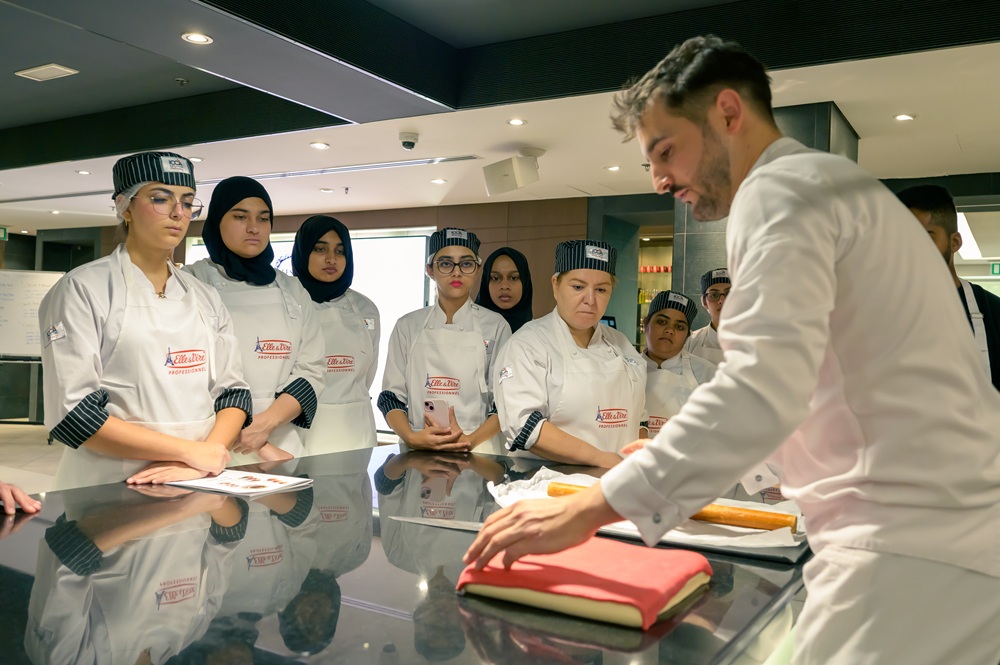
F&B and culinary activations use the sensory, practical and professional qualities of food to create direct engagement with consumers, chefs, buyers and hospitality teams.
The format may include tasting sessions, chef-led demonstrations, recipe applications, comparative product trials, menu previews, equipment education, professional masterclasses or culinary competitions. The correct approach depends on what the brand needs to achieve.
A consumer-facing product may require sampling and preference feedback. An ingredient intended for hotels or restaurants may need chef evaluation, recipe testing and operational assessment. A new piece of equipment may be better introduced through a live technical demonstration followed by hands-on operator education. A foodservice supplier may use a competition or professional workshop to show how its product performs in real culinary use.
ICCA Dubai supports these different objectives through a wider set of B2B culinary services rather than treating every project as a general activation event. Its Brand Activations service can support blind tastings, focus groups, comparative product studies and sensory engagement. When a product needs to be translated into practical dishes or beverages, ICCA’s menu planning and recipe development service can support recipe testing, tasting, standardisation and implementation.
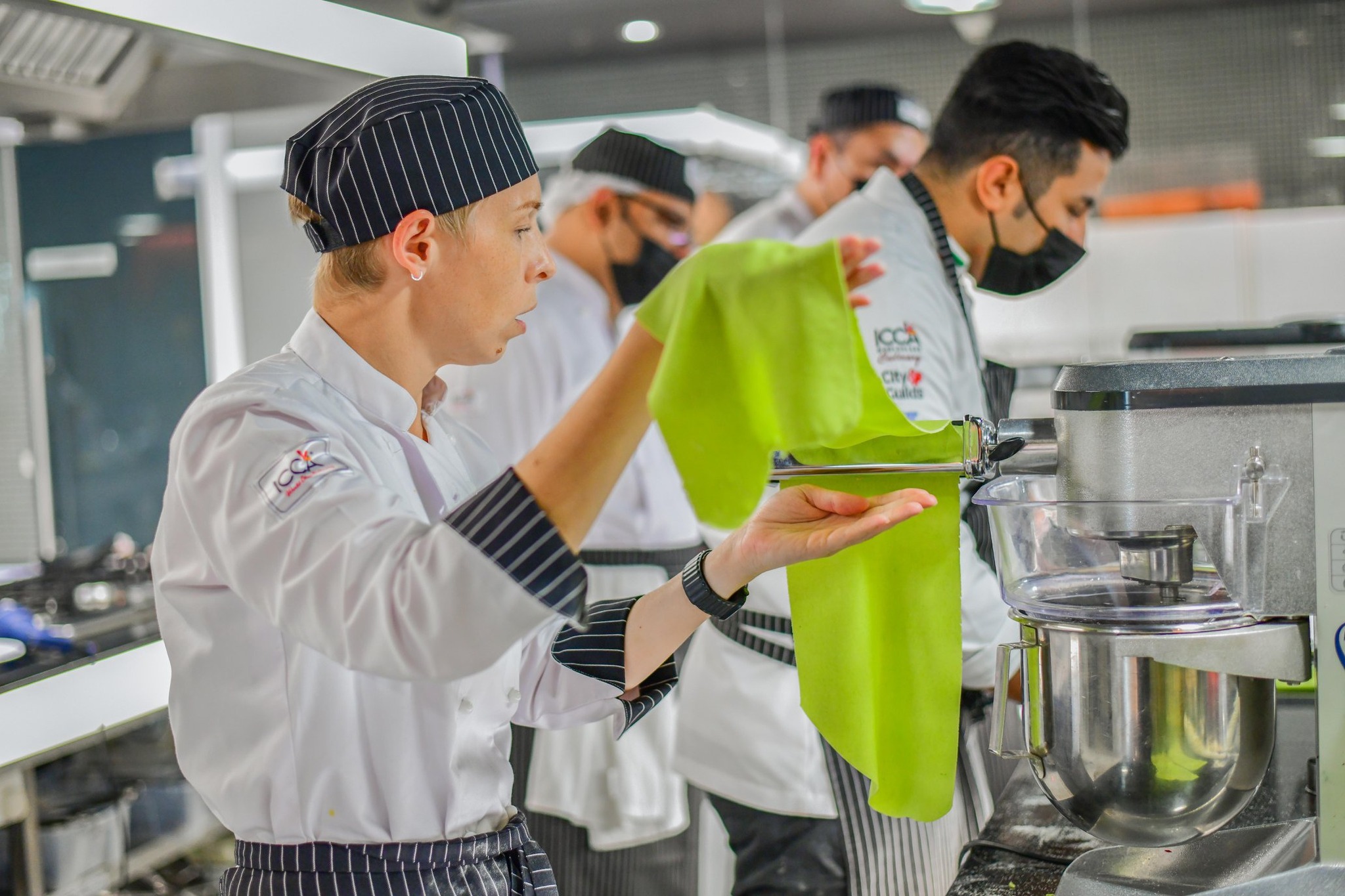
Brands introducing ingredients, equipment or food technology to professional users may also require chef-led education through Continuous Professional Development programmes. This allows chefs and hospitality teams to understand product performance, correct application and operational relevance in a structured learning environment.
Where the activation is linked to a new restaurant or F&B proposition, ICCA’s restaurant concept development workshops can connect cuisine, positioning, service and pre-opening planning. For brands seeking wider professional participation and industry visibility, culinary competitions can create a credible setting for chefs to use products, demonstrate technique and engage with sponsors.
This broader approach is important because a strong culinary activation should do more than attract attention. It should help the audience understand how the product tastes, performs, fits into an operation and creates value in a real hospitality or foodservice environment.
How to Build a Brand Activation Marketing Strategy in 7 Steps
A brand activation strategy should connect marketing ambition with delivery reality. The following seven steps provide a practical framework.
Step 1 Set the Business Objective
Begin with the commercial or operational problem the activation needs to solve.
Possible objectives include:
- Launching a new product
- Testing market response
- Generating qualified leads
- Supporting retail sales
- Educating chefs or operators
- Building distributor relationships
- Introducing new equipment
- Developing content
- Improving internal product knowledge
- Gathering comparative feedback
The objective determines the format. A public sampling campaign may support awareness and trial. A closed chef workshop may be better for technical education. A blind tasting may help evaluate product preference. A CPD program may support sustained professional adoption.
Avoid starting with “We want an event”. An event is a format, not an objective.
Step 2 Define Audience Segments
Identify who needs to experience the product and what role they play in the decision.
Consumer audiences may be segmented by lifestyle, location, consumption occasion, dietary preference, spending profile or familiarity with the category.
B2B audiences require a different approach. Chefs, procurement teams, restaurant owners, hotel operators, retailers and distributors evaluate products using different criteria.
A chef may focus on flavour, consistency and application. A buyer may focus on price, supply and demand. A marketing team may be interested in story, differentiation and consumer response.
In the UAE, multilingual communication and cultural relevance should also be considered. Avoid treating the market as a single homogenous audience.
Step 3 Choose Activation Formats
Select the format that gives the audience enough time and context to understand the brand.
Options include:
- Public sampling
- Retail demonstration
- Chef-led masterclass
- Blind tasting
- Focus group
- Comparative study
- Pop-up
- Exhibition activation
- Culinary competition
- Equipment demonstration
- Menu preview
- Internal training
- Creator event
Several formats can form one journey. A brand may launch at a trade show, run post-show chef education, develop recipes and later conduct consumer sampling.
The format should also reflect product complexity. Simple products may require little explanation. Technical ingredients, equipment and food technologies often need applied education.
Step 4 Plan the Creative Concept
The creative concept should make the product’s relevance easy to understand.
Begin with the product truth. What should the audience notice, learn or feel? The concept can then translate that message into an experience.
A bakery brand might organise the activation around freshness, texture and occasion. A beverage brand may focus on preparation ritual and flavour balance. An equipment brand might demonstrate speed, consistency or workflow efficiency.
For F&B activations, creativity should not compromise serving quality or product integrity. Temperature, holding time, portioning and preparation standards need to be built into the concept.
Avoid adding interactive elements that look impressive but do not help audiences understand the product.
Step 5 Map Multi-Channel Amplification
Plan what happens before, during and after the live activity.
Before the activation, communication can build anticipation and manage attendance. During the session, content capture, participant feedback and lead qualification should be coordinated. Afterwards, the brand can distribute educational content, follow up with prospects and retarget engaged audiences.
Trade and professional audiences may need product specifications, recipes, technical information or meeting follow-up. Consumers may respond better to store information, offers, social content or reminders.
Internal teams also need to be prepared. Sales, customer service and hospitality staff should understand the campaign and know how to respond to enquiries. Where capability gaps exist, continuous professional development or structured product education can help teams communicate the offer more consistently.
Step 6 Define KPIs and the Measurement Plan
Choose KPIs that reflect the objective rather than the most visible activity.
For awareness campaigns, useful measures may include reach, attendance, dwell time and engagement. For product trials, brands can track samples, preference, purchase intent and feedback quality. For B2B activations, qualified leads, meetings and product-adoption discussions may matter more.
Finance teams may want to see cost per engagement, customer acquisition cost, sales lift or return on campaign spend. Product teams may be more interested in comparative scores, application feedback and recurring issues.
Data collection must remain proportionate. A long questionnaire can damage the experience. Capture only the information that will inform decisions.
Step 7 Build the Post-Activation Funnel
Follow-up converts participation into business value.
Consumer campaigns may lead into email communication, retail offers, retargeting or loyalty activity. Trade activations may require product samples, specifications, quotations, recipe support or sales meetings.
Chef engagement may lead into product application, professional education or menu development. Equipment demonstrations may require operator training and implementation support.
The activation team should assign ownership before the event. Every lead, feedback set and commercial request needs a defined next step.
A practical brand activation checklist should cover:
- Objective
- Audience
- Format
- Venue
- Product readiness
- Staffing
- Food safety
- Content capture
- Feedback questions
- KPI ownership
- Follow-up timeline
Brand Activation Marketing Examples and Case Studies
Strong brand activation marketing examples show how participation can reinforce brand meaning and stimulate action.
Global Example: Coca-Cola “Share a Coke”
Coca-Cola launched “Share a Coke” in Australia in 2011 by replacing its logo on bottles and cans with popular first names. The idea encouraged people to find specific names, purchase products for others and share the experience socially.
The campaign has since been adapted across markets and returned globally in 2025 with physical packaging, digital personalisation, QR-led interaction and creator activity.
Its relevance lies in the connection between product, participation and sharing. Personalisation did not distract from the core product; it gave consumers a new reason to engage with it.
Global Example: Red Bull Stratos
Red Bull Stratos culminated in 2012 when Felix Baumgartner completed a high-altitude jump from almost 40 kilometres above Earth.
The project reflected Red Bull’s long-standing association with extreme performance and adventure. It was not a conventional sampling campaign, but it demonstrated how a brand can create a major live experience around its established identity.
The practical lesson is not to imitate the scale. Brands should instead look for experiences that credibly express what they stand for.
Regional Example: Dubai Shopping Festival Activations
Dubai Shopping Festival is held annually and brings together retail offers, entertainment, events and citywide consumer activity.
For brands, the festival demonstrates the value of activating within an existing commercial occasion. Audiences are already prepared to shop, explore and participate, while malls, retailers and event environments provide multiple points of engagement.
The challenge is competitive density. Brands need clear relevance and strong operational execution to stand out within a busy program.
F&B Example: ICCA Dubai’s Brand Activation programs
Food and beverage products are often best understood through practical experience rather than advertising alone. Ingredients, beverages, equipment and finished products all benefit from being evaluated in environments where chefs, hospitality professionals and target audiences can interact with them in meaningful ways.
ICCA Dubai’s Brand Activations service supports this process through chef-led product engagement, including blind tastings, comparative product studies, focus groups, sensory evaluation and consumer insight sessions. Depending on a brand’s objectives, activations may also extend into product demonstrations, recipe application, menu development, professional masterclasses or technical product education, creating a stronger connection between initial product awareness and real hospitality application.
ICCA’s current Brand Activation portfolio reflects a broad range of collaborations across food manufacturers, ingredient suppliers, beverage brands, hospitality businesses and industry partners. Rather than following a single activation format, each program is designed around the product category, target audience and commercial objective - whether introducing a new product, gathering market feedback, supporting chef engagement, demonstrating equipment, or helping hospitality operators understand practical product applications.
This flexible, chef-led approach enables brands to move beyond product exposure and create informed engagement with the people who influence purchasing decisions, menu development and long-term product adoption across the hospitality industry.
ICCA Dubai’s Brand Activation Marketing for F&B Brands
Food and beverage activation often sits between several disciplines.
It may involve marketing, product development, culinary application, hospitality operations and professional education at the same time. An activation team may understand audience engagement, but a chef is needed to evaluate product behaviour. A product team may understand formulation, while restaurant operators focus on workflow, consistency and commercial use.
ICCA Dubai occupies this practical middle ground. It is not positioned as an event agency or general marketing consultancy. Its role is rooted in culinary expertise, professional facilities, chef engagement and industry application.
What Sets a Chef-Led Activation Apart
Chef-led activation allows a product to be examined in use.
For an ingredient, this may include flavour balance, heat response, texture, yield and versatility. For equipment, it may include workflow, consistency, operator handling and cleaning. For a beverage, it may include preparation, serving format and menu compatibility.
Chefs also provide a bridge between product claims and operational reality. They can identify whether an application is practical in a hotel, restaurant, café, bakery or central kitchen.
This is particularly useful when a brand is preparing for market entry, hospitality adoption or a professional product launch. Product education can be incorporated through a masterclass, demonstration or CPD program, depending on the audience and intended outcome.
Product Testing, Focus Groups, Blind Tastings and Comparative Studies
ICCA Dubai’s Brand Activations service includes several formats:
Blind tastings assess products without revealing brand identity, helping reduce the influence of packaging or prior perception.
Comparative product studies place products alongside alternatives to examine relative strengths and weaknesses.
Focus groups explore how participants interpret taste, quality, value, packaging and intended use.
Sensory analysis and consumer insight sessions can examine attributes such as flavour, aroma, texture and overall preference.
These formats can support product development and positioning, but they should be treated as part of a broader decision process. Commercial feasibility, regulatory requirements, distribution, pricing and supply capability still need separate evaluation.
Industry Engagement Across Product Categories
ICCA’s brand activation materials feature Bianco Gelato, Knead Bakery, Rainbow Karak and United Foods.
The value of including these examples is not to imply a single standardised outcome. Gelato, bakery, tea and broader food product categories each involve different tasting, application and market considerations.
A frozen dessert brand may focus on flavour and texture. A bakery product may require evaluation across freshness, serving occasion and foodservice use. A beverage may need to balance familiar regional expectations with differentiation. A food manufacturer may need feedback that is relevant to both consumer and professional audiences.
This range reflects why F&B brand activation should be designed around the product category rather than delivered through a generic event format.
From Activation to Product Education and Application
Not every product challenge should be addressed through market research alone.
When the objective is professional adoption, a chef-led masterclass or CPD program may be more suitable. ICCA’s CPD programs can bring industry chefs into applied training around ingredients, equipment, beverages or food technology.
When a product needs to be incorporated into finished dishes, menu planning and recipe development can support recipe testing, tasting, standardisation and implementation.
When the project concerns a new outlet, restaurant concept development workshops can connect market positioning with cuisine, brand identity and pre-opening planning.
These are related capabilities, but they serve different purposes. A business should select the service according to the actual commercial need rather than treating every engagement as a brand activation workshop.
Why Dubai and GCC Brands Use Professional Culinary Environments
.jpg)
The UAE and GCC markets combine international hospitality standards with diverse consumer preferences and demanding operational environments.
Brands entering this market may need to answer several questions:
- Does the product appeal to the intended audience?
- Can chefs use it consistently?
- Does it fit existing menus and kitchen workflows?
- Does it require additional product education?
- Is its value clear relative to alternatives?
- Can the product be served at the required quality and scale?
A professional culinary environment allows some of these issues to be explored under realistic conditions.
ICCA Dubai operates from Dubai Knowledge Park and combines professional kitchens, chef instructors, industry programs and B2B culinary services. This makes it relevant to F&B companies seeking chef engagement, product application, professional education or structured market interaction.
Planning an F&B Brand Activation with ICCA Dubai
A useful brief should explain:
- The product and market category
- The intended audience
- The business objective
- The questions the brand needs answered
- The number of products or variants involved
- The required level of chef engagement
- The intended follow-up
- The timing, budget and reporting expectations
ICCA Dubai’s Brand Activations service can then be considered alongside other relevant industry solutions, including CPD, recipe development and professional product education.
The objective is not simply to host an attractive session. It is to create a useful commercial and culinary engagement around the product.
Brand Activation Marketing KPIs and ROI
Brand activation ROI should be assessed against the campaign objective.
A consumer sampling campaign, chef education program and buyer event should not be measured in the same way.
Leading Indicators
Leading indicators show how people responded during or immediately after the activation.
They may include:
- Attendance
- Footfall
- Dwell time
- Samples distributed
- Demonstrations completed
- Feedback collected
- Product preference
- QR scans
- Content engagement
- Qualified leads
- Buyer or chef meetings
- Requests for samples or information
These indicators help teams assess whether the activation attracted and engaged the intended audience.
Lagging Indicators
Lagging indicators show what happened after the campaign.
They may include:
- Sales lift
- Repeat purchase
- Lead conversion
- Retail listing progress
- Distributor engagement
- Product adoption
- Brand-tracker movement
- Customer acquisition cost
- Sales velocity
- Return on campaign spend
For B2B F&B activations, lagging indicators may take longer to appear because product trials, procurement and menu decisions require several stages.
This makes tracking discipline essential. Leads and participants should be recorded in a way that allows later commercial activity to be connected to the activation.
Calculating Cost per Engagement
A basic cost-per-engagement calculation is:
Total activation cost ÷ number of meaningful engagements
The difficulty lies in defining “meaningful”.
A sample handed to a passer-by is not equivalent to a completed tasting survey, a qualified chef conversation, or a buyer meeting. Brands may therefore need separate measures for:
- Total interactions
- Qualified consumer engagements
- Professional engagements
- Leads
- Commercial opportunities
Cost per engagement should also be considered alongside quality. A higher-cost technical workshop may be justified if it reaches a small group of relevant decision-makers.
Common Brand Activation Marketing Mistakes
1. Starting with the Format
“Let’s run a pop-up” or “Let’s organise a tasting” does not define the business objective. Decide what the activation must achieve before choosing the format.
2. Targeting Footfall Instead of Relevance
Large attendance numbers can be misleading. A smaller group of suitable chefs, buyers or consumers may create more value than a broad crowd.
3. Treating Sampling as Measurement
Distribution numbers show activity, not preference or purchase intent. Add proportionate feedback capture and follow-up.
4. Ignoring Operational Detail
Product temperature, stock, hygiene, equipment, staffing and service speed all affect the audience’s perception of the brand.
5. Undertraining the Activation Team
Promoters, chefs, sales teams and hosts need consistent product knowledge. Poor explanations weaken even a well-designed campaign.
6. Forgetting the Next Step
Every campaign needs a post-activation journey. Without follow-up, leads and insights are easily lost.
7. Measuring Only Visibility
Reach and social content matter, but they should be considered alongside product feedback, leads, sales and longer-term adoption.
Brand Activation Marketing Trends for 2026
AI-Assisted Personalisation
AI tools are helping brands segment invitations, personalise follow-up and adapt content to different audiences.
The practical opportunity is greater relevance. A chef, consumer and buyer should not receive the same communication. The risk is using personalisation without adequate consent, quality control or human judgment.
Sustainability-Led Execution
Brands are paying more attention to packaging, reusable materials, food waste, transport and sampling quantities.
For F&B activations, responsible execution should be practical rather than symbolic. Accurate production planning, controlled portions and redistribution processes may be more meaningful than broad environmental claims.
Hybrid Physical-Digital Campaigns
Physical experiences increasingly act as the centre of a wider content and data journey.
A live demonstration can produce educational video, social media, email content and sales materials. QR codes can connect participants to recipes, specifications or registration pages. Follow-up can then be tailored according to audience behaviour.
Creator and Expert Collaboration
Creator involvement is moving beyond event attendance.
Brands are increasingly selecting chefs, specialists and industry voices who can explain why the product matters. For technical or professional products, expertise and audience relevance may be more valuable than raw follower numbers.
Sensory Marketing
Sensory design remains particularly important for F&B and hospitality.
Taste, aroma, sound, texture, presentation and service influence how a brand is remembered. These elements need to be consistent with product positioning.
Sensory impact should not be confused with excess. A controlled, well-served tasting can create stronger recall than an elaborate installation that distracts from the product.
Education-Led Activation
Product education is becoming more important for ingredients, equipment and food technologies that require explanation or changes in professional practice.
A demonstration may create initial interest. A structured chef masterclass or CPD program can go further by helping professionals apply the product in their own work.
Turning Brand Activation into Practical Business Value
Brand activation marketing delivers the greatest value when creative engagement is supported by operational depth.
The audience should encounter the product in an appropriate environment. The activation team should understand what needs to be measured. Sales and operational teams should be ready to manage the next step.
For hospitality and F&B businesses, this often requires more than one service. A product may begin with tasting and feedback, continue through chef education, and later move into recipe development or menu implementation. Equipment may be introduced through a trade event and followed by technical demonstrations. A restaurant concept may need pre-opening development before a public launch.
ICCA Dubai’s B2B role spans several parts of this journey. Its Brand Activations service supports structured F&B product engagement. Its CPD programs connect brands with applied chef education. Its menu and concept-development services support practical culinary implementation. Its corporate solutions and industry support programmes provide further routes for companies seeking professional, operational or industry-focused engagement.
These capabilities do not replace the role of marketing agencies, event organisers, distributors or research specialists. They provide culinary and hospitality depth where the product needs to be tasted, applied, demonstrated, understood or implemented.
That distinction matters. A memorable activation can attract attention. A well-structured activation can also improve decisions, build professional understanding and support more credible market engagement.
.jpg)

.jpg)