

Baking a cake is a chemical change, not magic. As you dive into the cake chemistry involved, the journey from flour and sugar to a cloud-like cake becomes a set of predictable, fascinating transformations happening inside the oven.
Why Cake Chemistry Matters
Every step in baking is a chemical interaction, from the way sugar holds moisture to how gases inflate a batter. As one saying puts it, baking is chemistry you can eat. Scientists and chefs alike agree that paying attention to these reactions makes you a better baker, not just a recipe follower. Learning the science behind what makes a cake rise or why it turns golden gives you freedom to innovate and perfect your craft rather than rely on guesswork.
Is Baking a Cake a Chemical Change?
Baking a cake is a chemical change because the batter transforms into a new substance that cannot be turned back. When heat hits the batter, baking soda or baking powder releases carbon dioxide, egg and flour proteins coagulate, and sugars brown through the Maillard reaction. Each of these is a chemical reaction, not a simple change of state like melting or freezing. The proof is irreversibility: you cannot cool a baked cake back into raw batter the way you can refreeze melted ice. This is the difference between a chemical change and a physical one. Mixing the ingredients is largely physical, but the moment the oven drives leavening, protein coagulation, and browning, the cake becomes something chemically new.
Flour and Structure: The Foundation of Cake Science
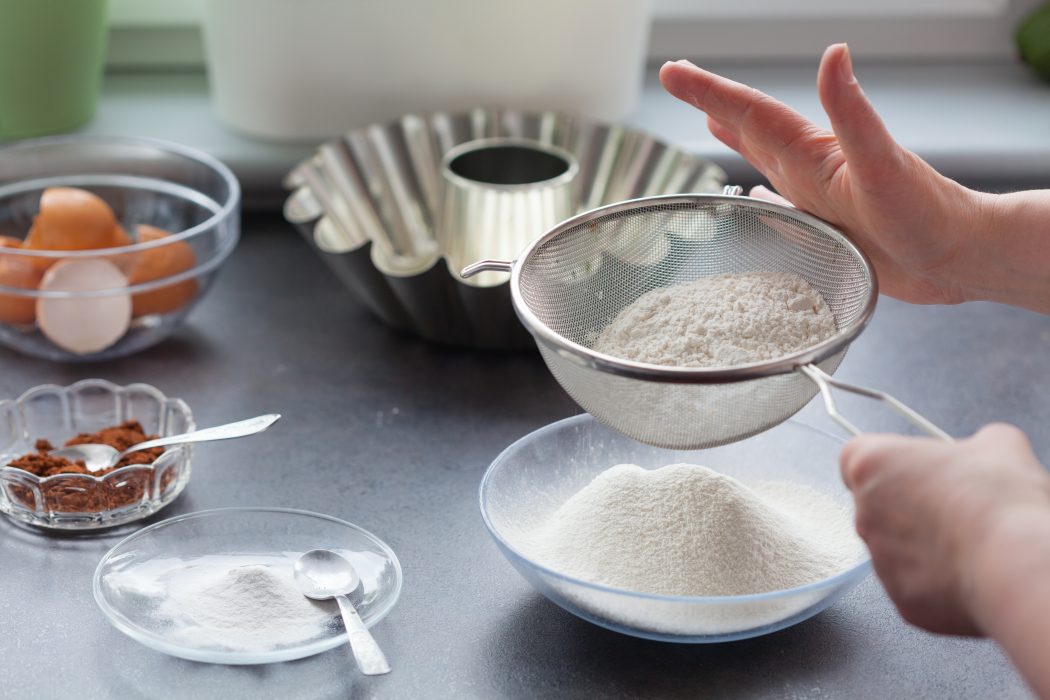
At the heart of every cake is flour. Its proteins, glutenin and gliadin, are the architects of structure. When flour hydrates, these proteins form gluten — a stretchy network that holds air and gas bubbles created later in the process. It’s this gluten mesh that gives cakes their form, preventing them from collapsing as they rise. However, for tender results, you want just enough gluten to support the cake without making it tough, which is why cake flour (lower in protein) is often preferred over higher‑protein wheat flours. This interplay between protein and water is one of the most essential aspects of the baking chemistry that defines texture.
Leavening Agents: How Cakes Rise Through Chemistry
A pivotal moment in cake science comes when a leavening agent releases carbon dioxide gas. This gas forms bubbles that expand in the batter, elevating it into the soft, light structure we expect from a high‑quality cake. Baking soda (sodium bicarbonate) reacts with acidic ingredients such as buttermilk or yogurt to produce gas. Baking powder, on the other hand, contains both an acid and a base, so it releases carbon dioxide when wet and again when heated — making it ideal for recipes without added acidic components. These reactions are classical examples of chemical leavening and are a foundational reason why cakes become tender and fluffy rather than dense and flat.
Eggs and Emulsification: Binding and Stability
Eggs play a multifaceted role in cake baking. Beyond adding moisture and richness, they help stabilize the batter through a process called emulsification. The lecithin in egg yolks binds fats and liquids together, which means your batter stays uniform instead of splitting. This uniformity is crucial for even gas distribution and heat transfer — both of which affect rise and crumb texture. As heat causes egg proteins to coagulate, they help set the cake’s structure irrevocably, ensuring it doesn’t collapse once removed from the oven.
Fats and Moisture: Balancing Tenderness with Structure
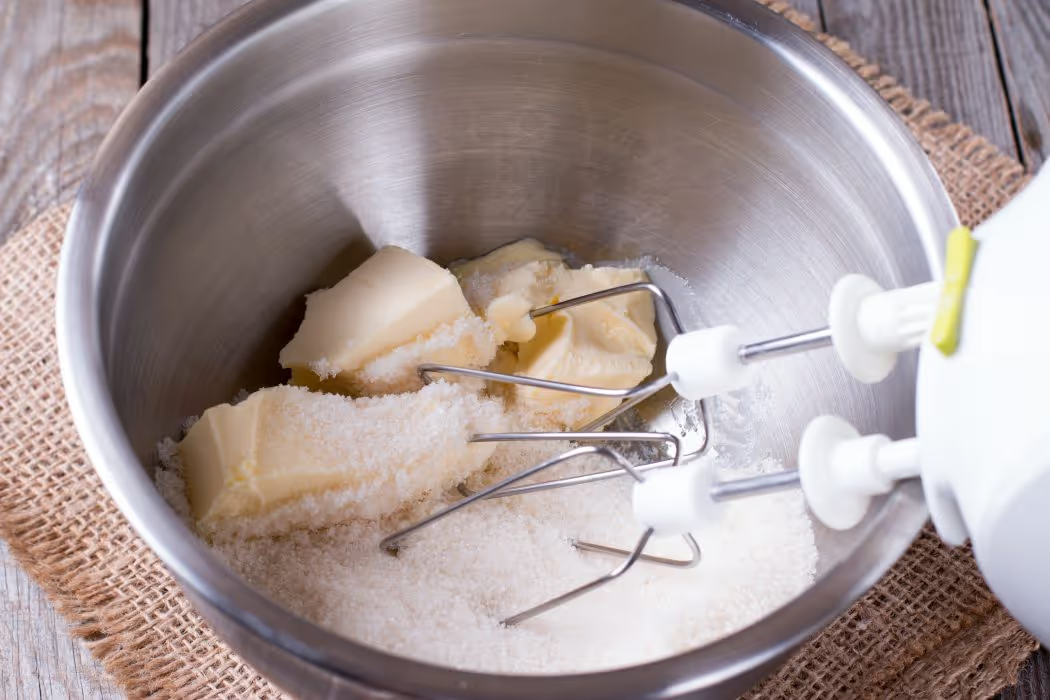
Fats like butter, oil, or shortening coat flour particles and impede gluten development, resulting in a softer, more tender crumb. This is a direct outcome of baking chemistry: fat molecules interrupt the gluten network, creating a finer, softer texture. What’s fascinating is how different fats contribute uniquely to both flavor and structure. Butter, for example, introduces richness and flavor compounds, while oil provides consistent moisture. The balance and choice of fats can transform a mediocre cake into something truly memorable.
Sugar’s Sweet Science: More Than Sweetness
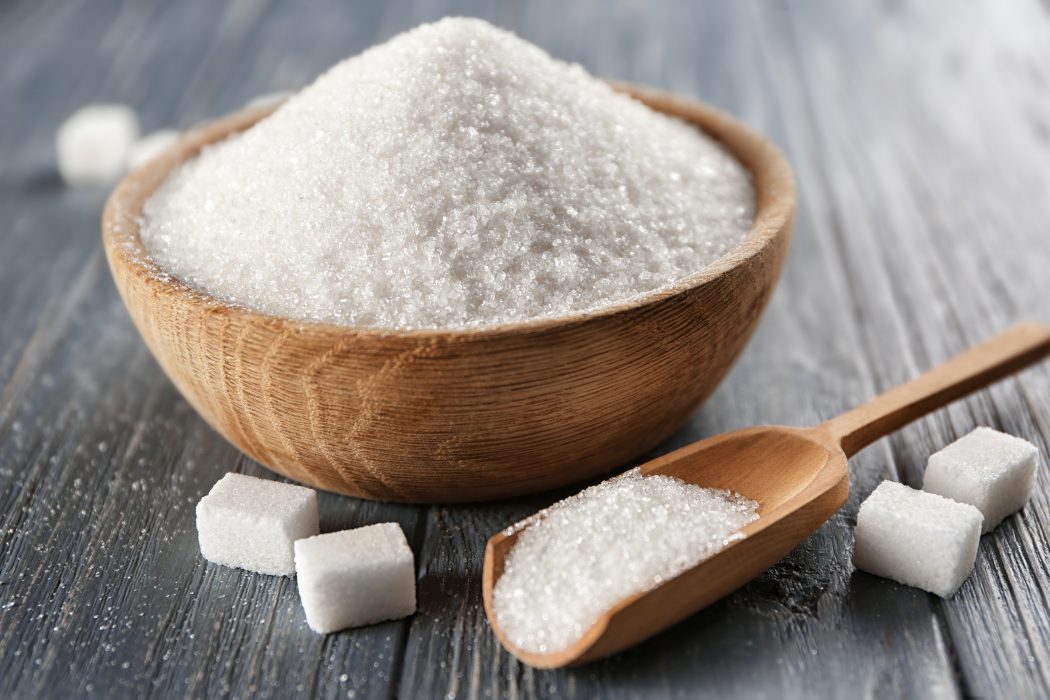
Sugar does more than sweeten a cake; it plays a critical role in moisture retention and browning reactions. As a hydrophilic molecule, sugar attracts and retains water, helping to slow moisture loss during baking and improving shelf life. When sugar interacts with proteins under heat, complex chemical reactions occur — notably the Maillard reaction — producing the golden crust and rich, nuanced aromas we associate with delicious baked goods.
Heat and the Oven: The Crucible of Baking Chemistry
Once your batter hits the oven, baking becomes a chemical reaction you can watch. As temperature climbs, gases from chemical leaveners expand, proteins begin to coagulate, and starches gel, the irreversible changes that make baking a chemical change rather than a physical one. Simultaneously, browning reactions like the Maillard process accelerate, giving the cake its color and flavor complexity. The timing and temperature of these reactions are critical — too hot and the outside sets before the inside has risen, too cool and your cake may be dense or under‑baked. This precise dance of thermal chemistry is a major reason many bakers choose to preheat ovens and use thermometers for accuracy.
Common Cake Problems Explained by Chemistry
Have you ever wondered why your cake sank in the middle or became dry even when following the recipe? These are classic chemistry‑rooted issues. A too‑strong rise followed by structural weakness can cause a collapse, while too much sugar or improper moisture balance can result in dryness. Understanding the chemical cause — whether it’s gas release timing, gluten overdevelopment, or protein coagulation — gives you the tools to fix it, not just shrug at it.
Practical Baking Chemistry at Work in Your Kitchen
One memorable moment for me was reading that “baking is the chemistry of a precisely measured set of ingredients, prepared and altered in a specific way to produce something very different in taste, texture, and volume.” This perfectly captures why precision matters: baking isn’t forgiving of guesswork. Through experience, I’ve learned that accurate measurements, understanding ingredient roles, and knowing how they interact chemically can transform not only cakes but all baked goods.
Why Understanding Cake Chemistry Makes You a Better Baker
Mastering cake chemistry replaces recipe-following with control. You learn that baking soda needs an acid to react, that fats impede gluten development for a tender crumb, and that browning reactions drive flavour complexity. These operational principles turn a kitchen crisis into a puzzle to solve.
If cake science excites you and you want to deepen your understanding of culinary principles and techniques, consider joining workshops and courses at ICCA Dubai. Whether you’re a home baker or aspiring professional, the hands‑on experience and expert instruction will help you unlock new mastery over ingredients, technique, and creative expression in baking and beyond.
To know and learn more about baking and patisserie, check out the Professional Diploma in Baking & Patisserie
Frequently Asked Questions
Q: Is baking a cake a chemical change?
A: Yes. Baking a cake is a chemical change because the batter turns into a new, irreversible substance. Leavening releases carbon dioxide, proteins coagulate, and sugars brown through the Maillard reaction, none of which can be reversed.
Q: Why is baking a cake a chemical change and not a physical one?
A: A physical change, like melting butter, can be reversed. Baking cannot: once leavening gases, protein coagulation, and browning reactions occur, the cake cannot return to raw batter. That irreversibility makes it a chemical change.
Q: What is the science of baking?
A: The science of baking is how heat, leavening agents, eggs, fats, and sugar interact chemically to turn batter into cake. Understanding these reactions lets you predict outcomes and troubleshoot problems instead of guessing.
Q: What chemical reactions happen when you bake a cake?
A: Three main reactions occur: leavening agents release carbon dioxide to make the cake rise, egg and flour proteins coagulate to set the structure, and the Maillard reaction browns the crust and builds flavour.

.jpg)
.jpg)

.jpg)
.jpg)
.jpg)

