Icing is what turns a baked sponge into a finished cake. The seven types of icing every baker should master are buttercream, whipped cream, royal icing, cream cheese frosting, ganache, fondant, and glace.
Each suits a different cake, occasion, and skill level. Below is a breakdown of when, why, and how to use each one.
1. Buttercream: The Classic You Can’t Skip
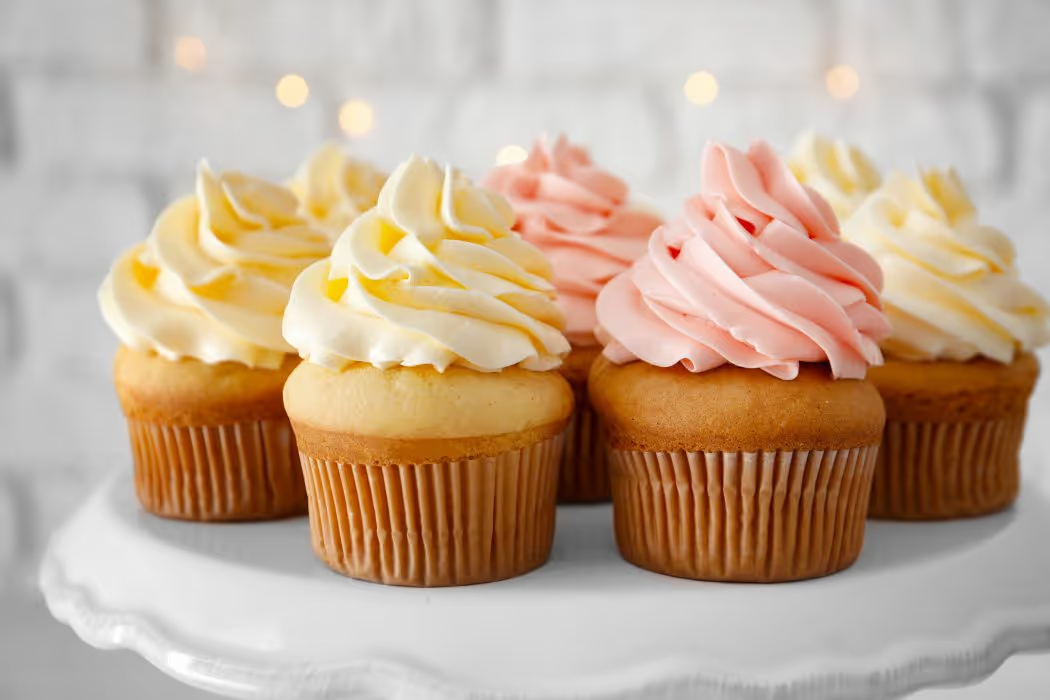
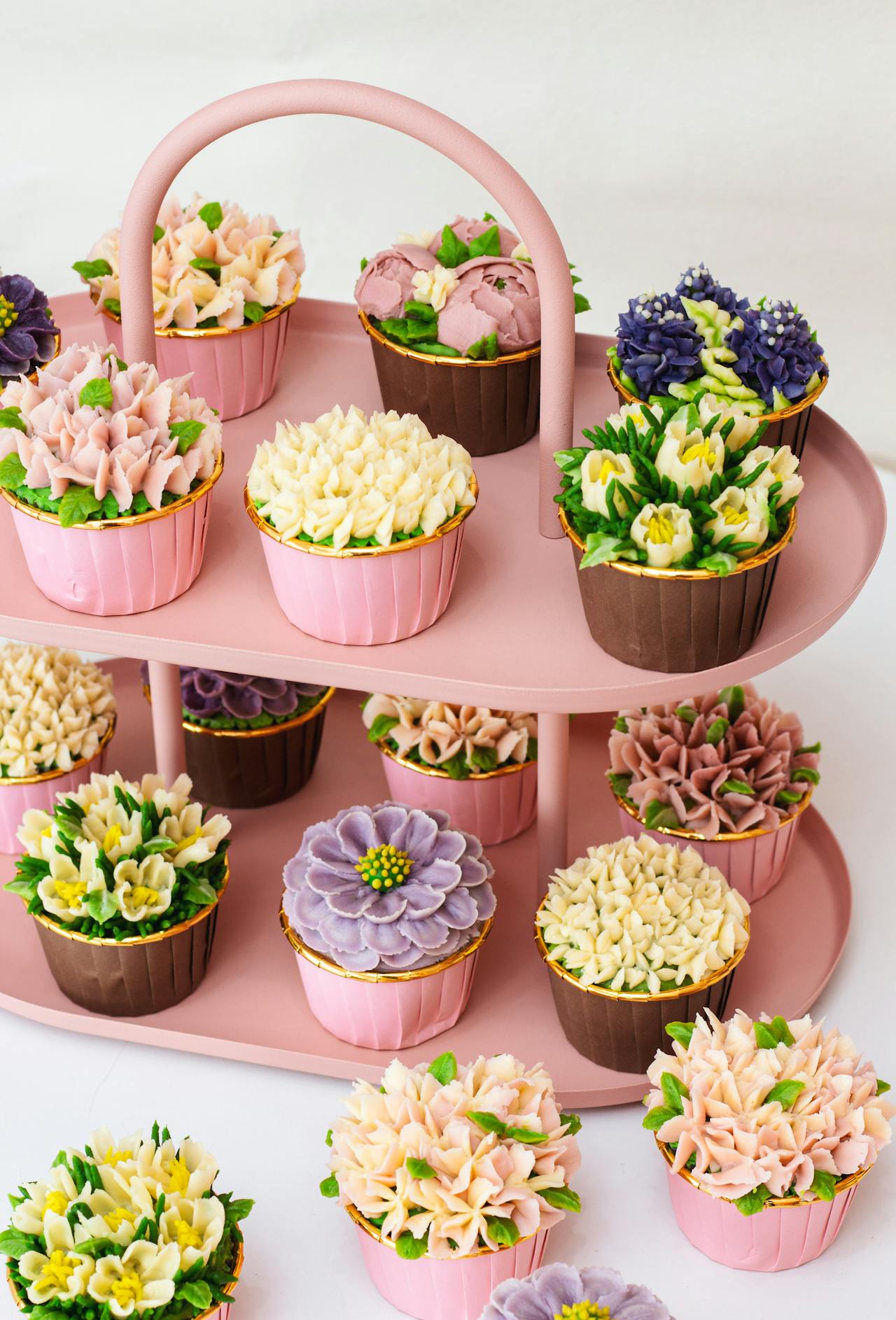
Buttercream is the backbone of cake decorating. Simple to make, endlessly adaptable, and universally loved. American buttercream is sweet and sturdy, Swiss and Italian meringue versions are smoother and lighter, while French buttercream is rich and custardy thanks to egg yolks. Use it for birthdays, layer cakes, cupcakes, anything that needs reliable flavor and structure. Buttercream takes color beautifully and pipes like a dream. Grainy or runny? No panic. Chill the butter or switch to sifted sugar, and you’re back in control.
2. Whipped Cream
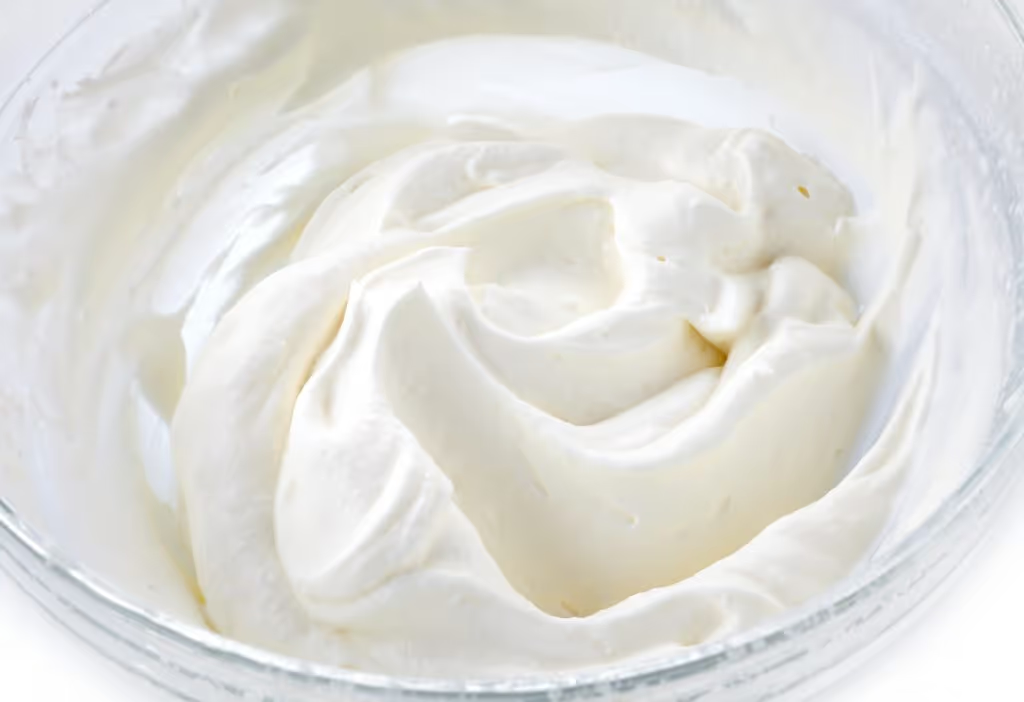
If lighter frosting is what you need then whipped cream is the answer. Often called Chantilly cream or crème Chantilly, it is made by cold-whipping together heavy cream and sugar till light and fluffy. You could also add or use meringue powder for stability. Enhance your cake’s taste by adding flavours to the cream.
3. Royal Icing – Precision and Power
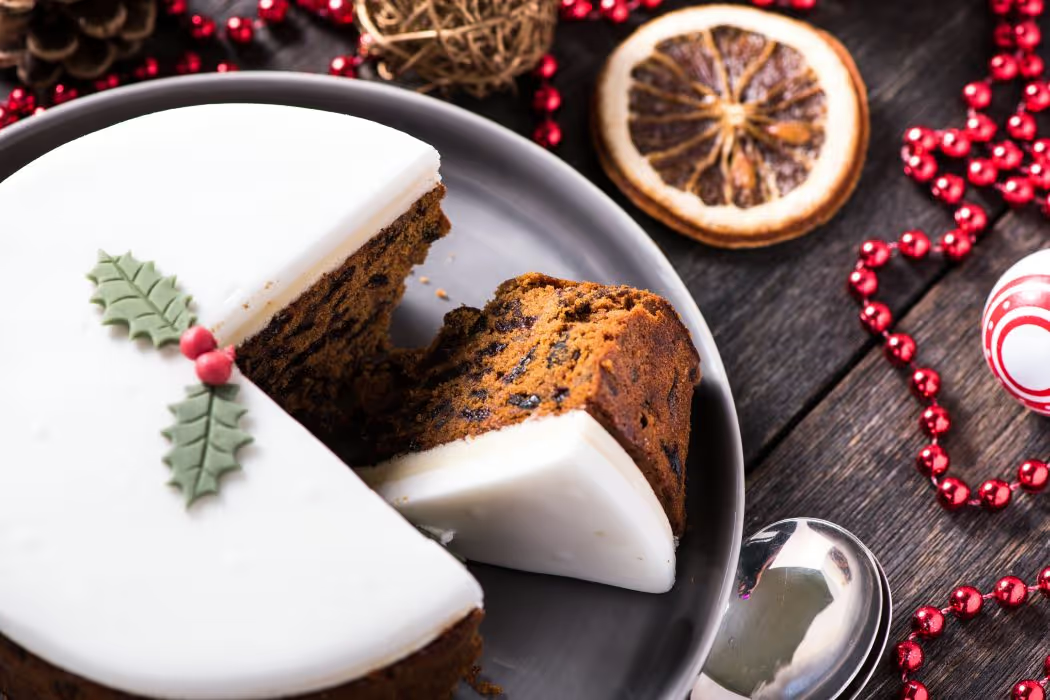
Royal icing is a decorator’s best friend. It dries hard, holds detail, and gives cookies their glossy, professional finish. Think gingerbread houses, intricate piping, and sugar cookies with designs that actually last. Getting the consistency right is key; too stiff and it won’t spread, too thin and it floods off the cookie. Smart bakers adjust with a drop of water at a time and let the icing rest before piping to clear out bubbles.
4. Cream Cheese Frosting – The Tangy Crowd-Pleaser
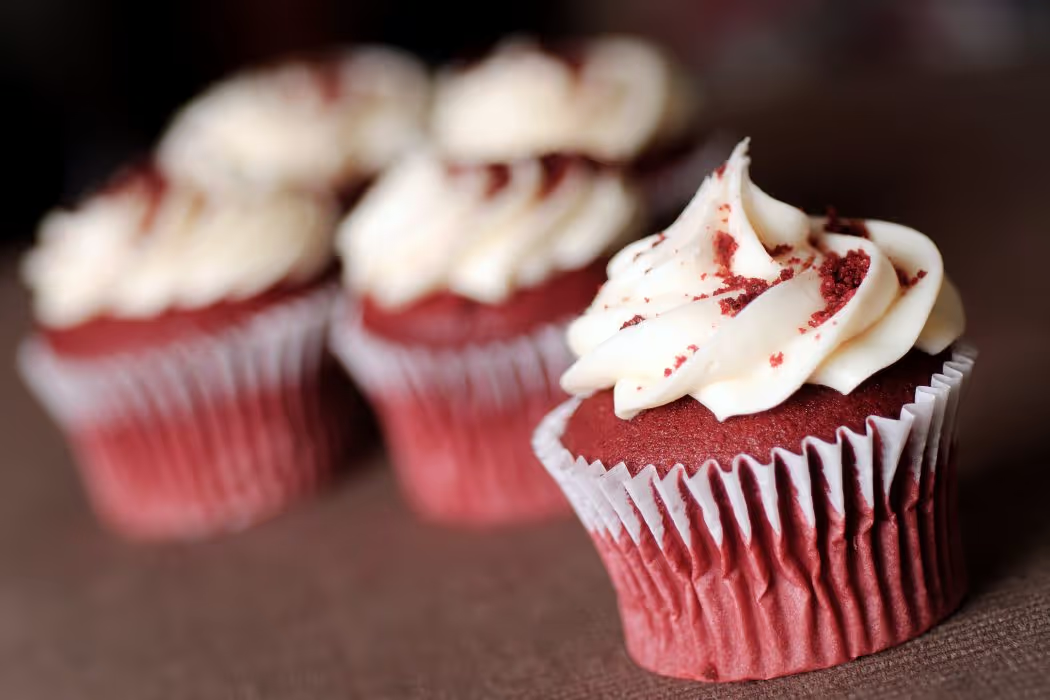
Cream cheese frosting is perfect for carrot cakes, cupcakes, red velvet cake, as a filling for doughnuts and well just about any kind of pastry with all that creamy and cheesy deliciousness. It comes together quickly by creaming together part buttercream frosting and a good quality cream cheese. A bit heavier than most types of cake icing, the texture and taste are best when made with high-fat cream cheese.
5. Ganache – Chocolate at Its Best
.jpg)
Ganache is indulgence in its purest form — just cream and chocolate, but the result is luxury. Pour it for a glossy glaze, whip it for a mousse-like frosting, or spread it thick for layers that wow.
It’s a natural partner for chocolate cakes, truffles, and drip cakes. If it’s too loose, add more chocolate. Too firm? Warm it gently. Ganache is your go-to when you want richness and sophistication in one stroke.
6. Fondant: For Cakes That Mean Business
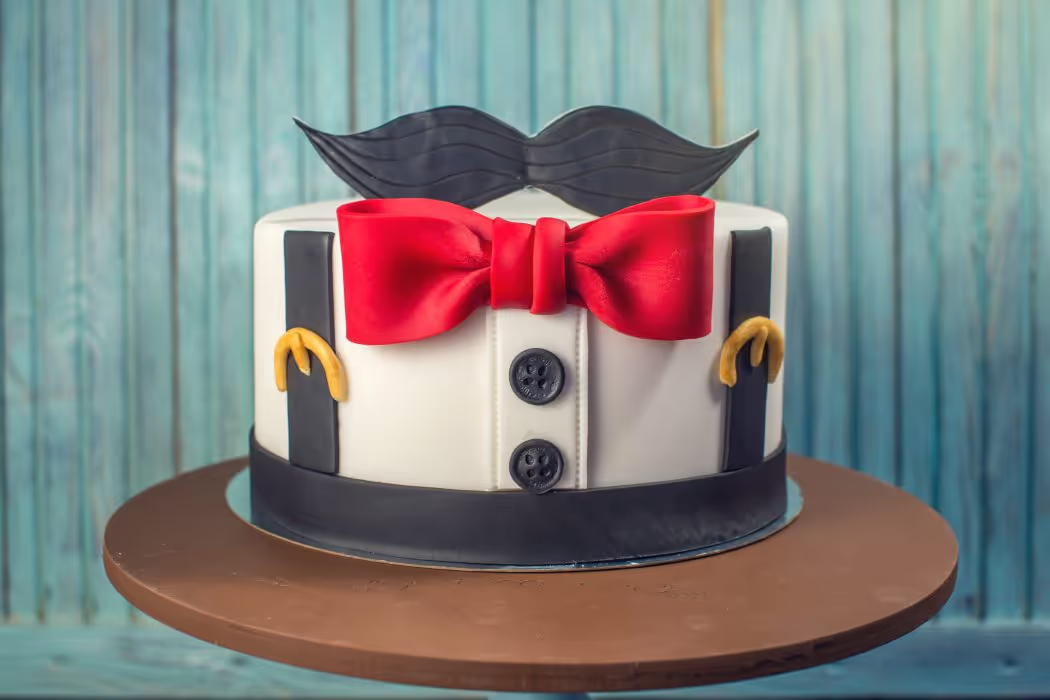
When you want perfection, you reach for fondant. Rolled fondant gives that flawless, smooth finish you see on wedding cakes, while poured fondant makes petits fours look like jewels. Fondant not only covers cakes but also doubles as a sculpting medium for flowers, bows, and edible art. Yes, it can crack or dry out if mishandled, but that’s why pros keep it wrapped tight and soften with a touch of shortening. Done right, fondant delivers elegance like nothing else.
What Are the Different Types of Icing for Cakes, Side by Side
Quick comparison by texture, difficulty, and shelf life
The seven types of icing differ across three practical axes that determine which one you should pick: texture, difficulty, and shelf life. Buttercream is the most versatile (medium difficulty, 3-day shelf life refrigerated), whipped cream is the lightest but spoils within 24 hours, and royal icing is the firmest and lasts weeks at room temperature once dried. Cream cheese frosting is rich but must be refrigerated. Ganache holds up at room temperature for 2 days. Fondant is the most decorative but tastes blandest. Glace is the simplest, ideal for donuts and quick glazes but unable to hold piping detail.
Which icing pairs with which cake
Buttercream pairs with almost everything but excels on birthday cakes and cupcakes. Whipped cream suits sponge cakes and angel food cakes. Royal icing is the standard for decorated cookies and gingerbread houses. Cream cheese frosting is the rule for carrot cake and red velvet. Ganache is built for chocolate cakes, truffles, and drip cakes. Fondant is the choice for wedding cakes and sculpted cakes. Glace works on donuts, tea cakes, and petits fours. When in doubt, buttercream is the safe default that virtually no cake rejects.
7. Glace Icing, Quick, Simple, and Effective
Sometimes you need speed. Glacé icing, a mix of powdered sugar and liquid, delivers a shiny finish in minutes. Donuts, tea cakes, pastries; they all benefit from this no-fuss glaze.
Sure, it won’t hold swirls or ruffles, but it gives charm, especially when tinted with color or punched up with lemon juice. Let it dry properly, and you’ll avoid that sticky finish beginners often struggle with.
How to Choose the Right Icing for Your Cake
Here’s the truth: the “best” icing depends on the cake and the occasion.
- Birthdays → Buttercream or ganache.
- Weddings → Fondant or Swiss meringue buttercream for clean, elegant finishes.
- Cookies → Royal icing or a glacé glaze for precision.
- Cupcakes → Buttercream or cream cheese, piped high and proud.
- Pastries → Glacé or fondant for sweetness and shine.
No matter what you choose, a few rules always apply: start with room-temperature ingredients, sift your sugar, and practice piping before you commit to the real cake. Authority comes from repetition.
Practice to Master the Art of Icing Cakes
Mastering icing takes repetition. Bakers who practice the same icing across 20 to 30 cakes develop muscle memory for piping pressure, spreading technique, and temperature management, which are the three variables most beginners cannot control without volume practice.
And if you want to go beyond YouTube hacks and Instagram reels, learn it the right way.
Take Your Baking to the Next Level with ICCA Dubai
At ICCA Dubai, our Professional Baking & Patisserie Program simulates the real-world industry environment and provides a thorough understanding of the ought-to-know knowledge, covers basic to advanced culinary techniques of the exciting world of fine baking and patisserie where you get to master the skills, develop precision, creativity, technical skills and expertise from industry-experienced bakers and pastry chefs. Learn how to prepare and finish everything from pastries, cakes and cookies, to a range of yeast goods, chocolate products and desserts.
If you are interested in taking your baking skills to the net level, take a look at our Baking and Patisserie Classes or the Patisserie Fast Track Course.
Frequently Asked Questions
Q: What are the different types of icing for cakes?
A: The seven main types of icing for cakes are buttercream, whipped cream, royal icing, cream cheese frosting, ganache, fondant, and glace. Buttercream is the most versatile, fondant is the most decorative, and royal icing is the firmest. Each suits different cakes and occasions, so most bakers learn at least 3 to 4 of them.
Q: What types of icing are there for beginners?
A: Buttercream, glace, and cream cheese frosting are the easiest icings for beginners. Buttercream uses just butter, sugar, and flavoring. Glace is powdered sugar and liquid. Cream cheese frosting combines buttercream with cream cheese. All three forgive minor technique errors and require no special equipment beyond a stand mixer or hand whisk.
Q: Which icing is best for cake decoration?
A: Fondant is the best icing for sculpted and wedding-cake decoration because it produces a flawless smooth finish and can be molded into shapes. Royal icing is best for piped detail and dries to a firm finish. Buttercream is the most beginner-friendly decorating choice and pipes well for borders and flowers.
Q: How long does cake icing last?
A: Shelf life varies by icing type. Buttercream lasts 3 days refrigerated and up to a week if stored airtight. Whipped cream icing must be eaten within 24 hours. Royal icing keeps for weeks once dried. Cream cheese frosting must be refrigerated and used within 3 days. Ganache holds at room temperature for 2 days or up to a week refrigerated.


.jpg)
.jpg)
.jpg)


.jpg)