
.jpg)
In a professional kitchen, precision is not optional — it is expected. Every movement, every ingredient, and every second is accounted for. This level of control is not instinctive. It is built on a single foundational principle: mise en place.
More than just preparation, mise en place is a system that allows chefs to perform under pressure, maintain consistency, and execute with confidence. Understanding the mise en place meaning is one of the fastest ways to shift from reactive cooking to a structured, disciplined approach.
What Does Mise en Place Mean?
.jpg)
The French Translation and Origin
The phrase mise en place (pronounced meez ahn plahs) comes from French as “putting in place” or “everything in its place.”
It’s one of the foundational principles of classical French cuisine, alongside many other essential French cooking techniques that still shape modern kitchens today.
You might also see common misspellings like mis en place or mise en plus, but they all point to the same idea: preparation before execution.
How Mise en Place Became a Culinary Standard
The discipline of mise en place became standardised in professional kitchens through systems like the brigade structure (more on that later).
In high-pressure environments, chefs realised that success doesn’t happen during cooking. It happens before cooking begins.
Why Mise en Place Matters in Professional Kitchens
Speed and Efficiency During Service
In a busy kitchen, there’s no time to search for ingredients or tools. Mise en place ensures everything is ready, allowing chefs to execute dishes quickly and seamlessly.
It underpins all advanced professional cooking techniques. Without it, even the most skilled chef will struggle.
Reducing Errors and Food Waste
Pre-measuring and prepping ingredients helps prevent mistakes like over-seasoning or missing components. It also reduces waste by ensuring precise portions.
Building Discipline and Consistency
Consistency is what separates a good dish from a great one, and great kitchens from average ones. Mise en place creates repeatable systems that deliver the same quality every time.
Improving Safety in High-Pressure Kitchens
A well-prepared station is also a safer one. When chefs are not rushing back and forth for tools or ingredients, the kitchen becomes more controlled and predictable. This reduces the risk of accidents involving sharp knives, hot surfaces, and open flames — making mise en place a critical safety practice, not just an efficiency tool.
The Core Components of Mise en Place
Ingredients: Measured, Washed, Cut, and Portioned
.jpg)
Every ingredient should be prepped in advance:
- Washed and dried
- Measured accurately
- Cut to the correct size
- Stored in ready-to-use containers
Professional kitchens often follow a practical guideline known as the “125% rule”, preparing slightly more than needed to handle unexpected demand during service, without over-prepping to the point of waste. This balance is key to maintaining both efficiency and cost control.
Tools and Equipment: Knives, Boards, Pans, and Utensils
.jpg)
Your tools should be as prepared as your ingredients:
- Sharp chef’s knife and paring knife (learn what a paring knife is used for)
- Clean cutting boards
- Preheated pans (if needed)
- Measuring tools and spoons
A well-prepared station removes friction from the cooking process.
Workspace Setup: Stations, Containers, and Towels
Professional kitchens organise workstations meticulously:
- Small bowls for prepped ingredients
- Clearly defined zones for tasks
- Clean towels for quick wipe-downs
Equally important is labelling and storage discipline. Every container should clearly indicate:
- Ingredient name
- Preparation or opening date
- Expiry or use-by timeline
- Portion or storage notes (if needed)
This ties directly into the First In, First Out (FIFO) principle, a standard practice where older ingredients are used before newer ones. By positioning older items at the front and clearly labelling everything, chefs maintain freshness, reduce waste, and ensure food safety at scale.
This level of organisation is what elevates mise en place from simple preparation to a fully professional system.
How to Mise en Place at Home: A Step-by-Step Guide
Step 1: Read Your Recipe from Start to Finish
Before touching anything, understand the full workflow: timing, techniques, and sequence.
Step 2: Gather Every Tool You Will Need
Lay out knives, pans, bowls, and utensils in advance. This prevents interruptions mid-cooking.
Step 3: Collect and Measure All Ingredients
Measure everything before you start, especially for recipes that require precision.
Step 4: Prep Ingredients (Dice, Chop, Slice, Mince)
Mastering these techniques is essential. If you need a refresher, revisit basic cooking skills every budding chef must know.
Step 5: Organise by Cooking Sequence
Arrange ingredients in the order they’ll be used. For a more professional approach, label your prep bowls, especially when working with multiple similar ingredients. This mirrors how professional kitchens maintain clarity during service and helps prevent mistakes under time pressure.
Step 6: Clean as You Go
Keep your workspace organised throughout the process, not just at the end.
Mise en Place for Baking vs Cooking
Why Precision Matters More in Baking
In cooking, you can adjust as you go. In baking, you can’t. That’s why mise en place is even more critical.
Pastry chefs rely on precision as part of advanced professional baking techniques.
How Ingredient Temperature Affects Baked Goods
Butter too cold? Eggs too warm? These small details can completely change your result. Mise en place ensures everything is at the correct temperature before mixing.
Adapting Your Prep Workflow for Pastry
Baking mise en place often includes:
- Weighing ingredients instead of measuring by volume
- Pre-sifting dry ingredients
- Preheating ovens at the right time
It’s less flexible, but more controlled.
Famous Chefs Who Swear by Mise en Place
Auguste Escoffier and the Brigade System
Auguste Escoffier transformed modern kitchens by introducing the brigade system, a structured hierarchy where each chef is assigned a clearly defined role, such as saucier (sauce chef), garde manger (cold station), or pâtissier (pastry).
For this system to function, every station must operate independently yet in perfect coordination. This is where mise en place becomes essential. Each chef is responsible for preparing their ingredients, tools, and station before service begins, ensuring that when orders come in, execution is immediate and synchronised across the kitchen.
Escoffier’s approach made one principle clear: organisation is not separate from cooking. It is the foundation of it. Without mise en place at every station, the brigade system cannot function under real service pressure.
Jacques Pépin on Kitchen Organisation
Jacques Pépin has spent decades teaching that preparation is what defines control in the kitchen. In his instructional approach, he consistently demonstrates that cooking should feel deliberate, not rushed. And that clarity comes from preparation.
As Pépin has emphasised in his teaching, “You don’t want to be looking for things when you’re cooking.” This simple idea reflects a deeper professional standard: once cooking begins, your attention should be fully on execution — not searching, measuring, or correcting avoidable mistakes.
This is mise en place in practice: removing uncertainty before heat is applied, so the cooking process becomes focused, efficient, and controlled.
Anthony Bourdain’s Kitchen Confidential Rules
Anthony Bourdain captured the culture of professional kitchens with unusual clarity. In Kitchen Confidential, he describes mise en place as:
“The religion of all good line cooks.”
In context, Bourdain explains that every item, from chopped herbs to portioned proteins, must be prepared, organised, and within reach before service begins. There is no tolerance for disorganisation once orders start coming in.
His point is direct: mise en place is not about neatness. It is about survival. In a fast-moving kitchen, where timing, communication, and precision must align, a lack of preparation immediately leads to delays, errors, and breakdown in teamwork.
Common Mise en Place Mistakes (and How to Avoid Them)
Skipping the Recipe Read-Through
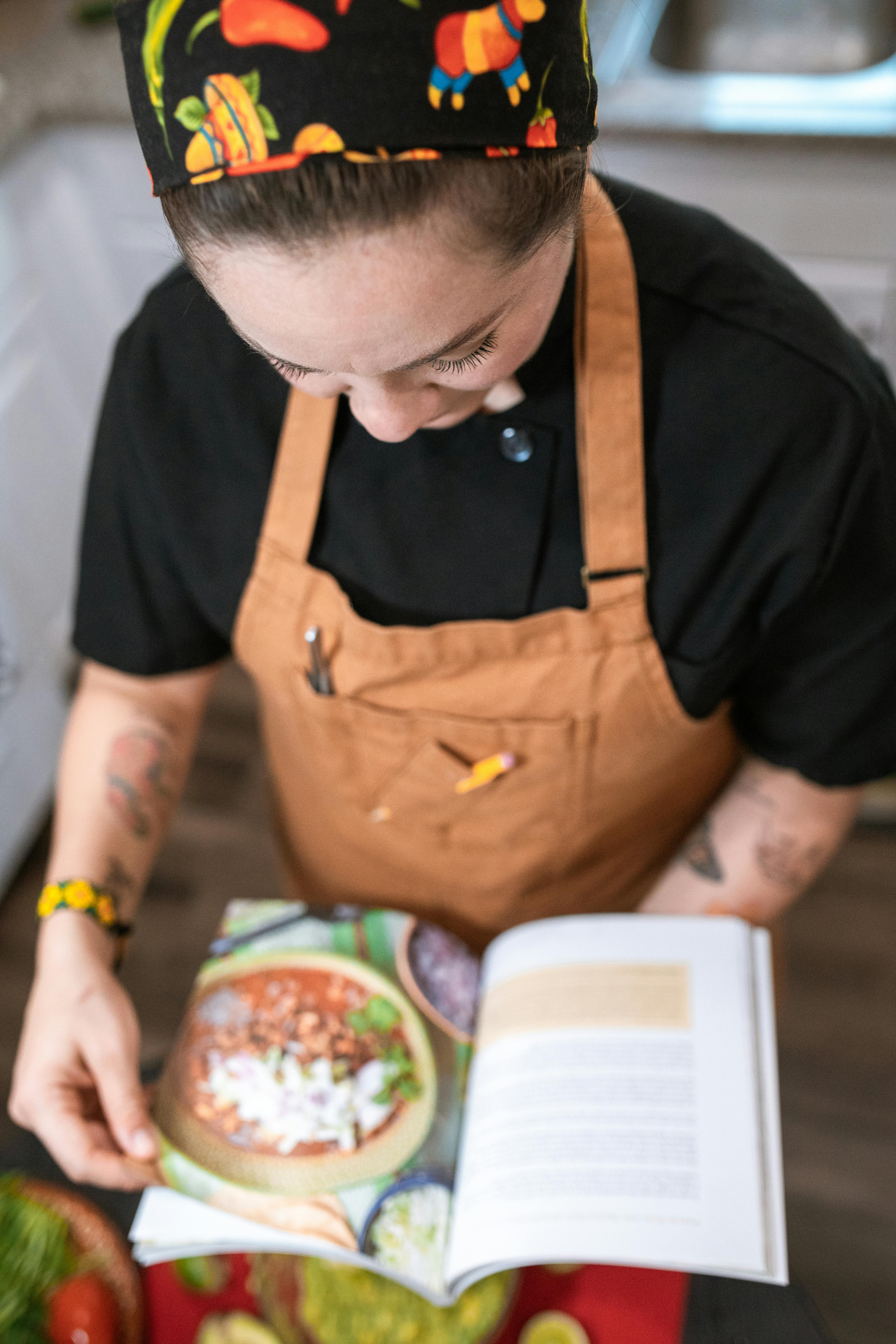
This leads to missed steps, incorrect timing, and unnecessary stress during cooking.
Professional kitchens eliminate this risk by reviewing the full workflow before prep begins, ensuring that every step, tool, and ingredient is accounted for in advance.
Over-Prepping or Under-Prepping Ingredients
Preparing too much leads to waste and unnecessary cost. Preparing too little disrupts service and creates pressure mid-cooking.
To manage this balance, many professional kitchens apply the 125% rule — preparing slightly more than expected demand to handle fluctuations, without overproducing to the point of waste. This approach keeps service smooth while maintaining control over inventory.
Ignoring Labelling, Dating, and FIFO Practices
One of the most common and costly mistakes is failing to label prepped ingredients properly.
In professional kitchens, every container is clearly marked with:
- Ingredient name
- Preparation or opening date
- Expiry or use-by timeline
- Portion or storage notes (when needed)
This works alongside the First In, First Out (FIFO) principle, where older ingredients are used before newer ones. Without clear labelling and rotation, kitchens risk spoilage, inconsistency, and food safety issues.
Mise en place is not just about preparing ingredients — it’s about managing them intelligently.
Ignoring Workspace Organisation and Safety
A disorganised station doesn’t just slow you down, it creates risk.
When chefs are forced to move around searching for tools or ingredients, the kitchen becomes more chaotic. In an environment with sharp knives, hot pans, and open flames, this increases the likelihood of accidents.
A proper mise en place setup keeps everything within reach, allowing chefs to move efficiently and safely. In this sense, mise en place is as much a safety system as it is a productivity tool.
Forgetting Heat and Timing Prep
Preheating pans, ovens, or equipment is often overlooked — but it is part of mise en place.
If heat is not ready when cooking begins, timing falls apart. Professional kitchens treat temperature readiness as part of preparation, not something to address during execution.
Mise en Place Beyond the Kitchen: A Productivity Principle
How Restaurants Use Mise en Place for Operations
Restaurants apply this principle beyond cooking:
- Inventory planning
- Staff scheduling
- Service coordination
It’s a system of preparedness at every level.
Applying the Mindset to Everyday Life and Work
Mise en place isn’t just a kitchen habit; it’s a way of thinking. When you start applying it to your daily routine, work, and decision-making, everything becomes more structured, efficient, and intentional. The same discipline that powers professional kitchens can transform how you approach any task.
And if you’re ready to take that mindset further and train in a real culinary environment, the ICCA Dubai offers a hands-on pathway through its professional culinary diploma program, where mise en place isn’t just taught, but practised every single day.
.jpg)
.jpg)
.jpg)

.jpg)
.jpg)

