
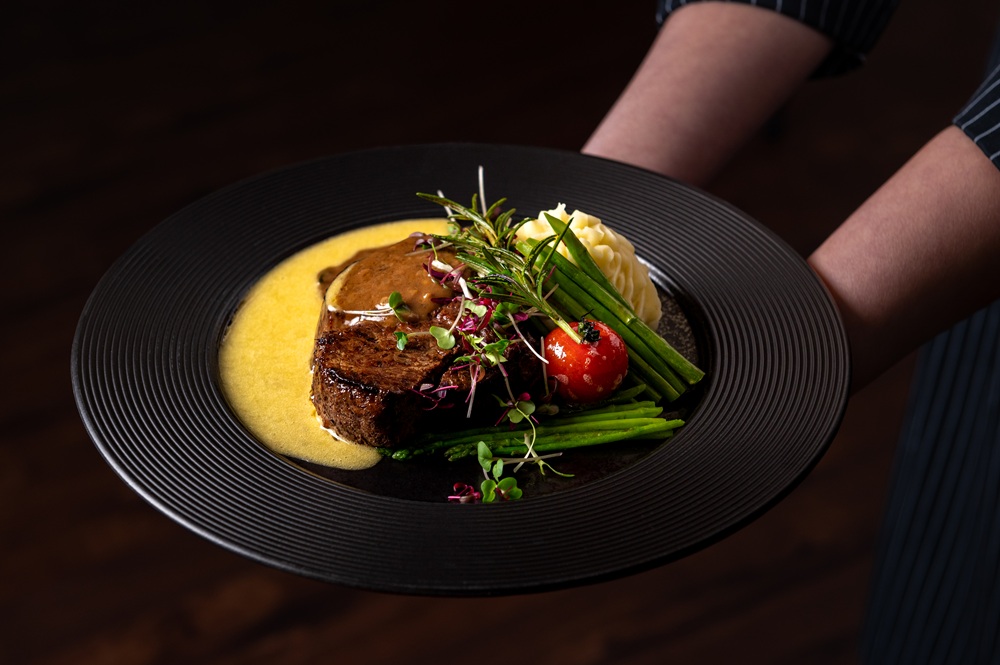
The Michelin Guide began in 1900 as a practical handbook created to encourage more road travel, but over time its restaurant recommendations evolved into the most respected benchmark in global dining. Today, Michelin stars represent far more than prestige — they reflect technical mastery, consistency, creativity, and the ability to deliver exceptional food at the highest level. From the meaning behind one, two, and three stars to the role of anonymous inspectors and the rise of Michelin-recognised restaurants in Dubai, the guide continues to shape how culinary excellence is defined around the world.
What Is a Michelin Star?

The Origin of the Michelin Guide
It’s one of those rare stories where something simple becomes iconic.
Back in 1900, the founders of Michelin weren’t trying to define fine dining. They were simply trying to sell more tires. Their idea was straightforward: create a travel guide that encourages people to drive, explore, and stop along the way.
Restaurants were just a small part of that guide.
Fast forward a few decades, and something interesting happened. People started trusting the restaurant recommendations more than anything else. By 1926, Michelin introduced its first star. Soon after, the three-star system followed, and quietly, it became the most respected rating system in the culinary world.
Why Michelin Stars Matter in the Culinary World
Today, a Michelin star is not just an award. It’s a status.
For chefs, it represents years of discipline, pressure, and refinement. For diners, it answers a simple question: Is this place truly worth it?
And for the industry, it sets a global benchmark, one that restaurants in cities like Dubai are now actively shaping. The Michelin Guide currently covers over 40 destinations worldwide across Europe, North America, South America, Asia Pacific, and the Middle East — and the list of cities keeps growing.
The Michelin Star Rating System

Let’s make this very clear: not all stars are the same.
Michelin Stars at a Glance
Think of it like a journey:
- One Star: "High-quality cooking, worth a stop" — Strong fundamentals, quality ingredients, consistent execution
- Two Stars: "Excellent cooking, worth a detour" — Refined techniques, creative identity, elevated experience
- Three Stars: "Exceptional cuisine, worth a special journey" — Mastery, unique vision, once-in-a-lifetime dining
The jump between each level is actually very significant.
Globally, three-Michelin-star restaurants number fewer than 150 — making it one of the rarest achievements in gastronomy. Inspectors must reach a consensus across multiple visits before any star is awarded, and the criteria are applied identically whether a restaurant is in Paris, Tokyo, or Dubai.
Beyond Stars: Other Michelin Distinctions
What Is a Bib Gourmand?
Not every great restaurant needs white tablecloths.
The Bib Gourmand highlights places that deliver excellent food at reasonable prices. These are often the spots chefs themselves love. They are honest, focused, and full of character.
The Michelin Green Star for Sustainability
More recently, Michelin introduced the Green Star, recognizing restaurants that take sustainability seriously.
From sourcing local ingredients to reducing waste, it reflects where modern gastronomy is heading.
Michelin Plates and Recommended Restaurants
Even without stars, being listed in the Michelin Guide is already a mark of quality.
It means: you’re doing something right.
In Dubai's 2025 guide, the full selection covers 119 establishments across more than 35 cuisine types — meaning the Michelin Guide's reach in the city goes far beyond the starred restaurants alone.
How Do Michelin Inspectors Evaluate Restaurants?
Who Are Michelin Inspectors?
This is where the mystery comes in.
Michelin inspectors all over the world travel constantly, stay anonymously and dine like regular guests. No announcements, no special treatment. Just the food, exactly as any customer would experience it. Inspectors typically have at least ten years of culinary expertise. They cross-reference their evaluations with colleagues before any conclusion is reached — meaning a single opinion never determines an award.
The Five Criteria Inspectors Use
Despite all the secrecy, the criteria are actually very clear:
- Quality of ingredients
- Mastery of techniques
- Harmony of flavors
- Personality of the chef
- Consistency
Notice what’s missing? No mention of luxury décor or service theatrics. At its core, Michelin is still about one thing: what’s on the plate.
How Many Visits Before a Star Is Awarded?
It’s never based on a single visit.
Inspectors return multiple times, often across different seasons, ensuring that excellence is not accidental, but repeatable.
How Restaurants Earn and Lose Michelin Stars
What Does It Take to Get a Michelin Star?
There’s no application form, no shortcut, no marketing trick.
Behind every Michelin-starred restaurant is a system:
- Clear leadership
- Relentless consistency
- Deep technical skill
This is where understanding what a head chef does and the skills required becomes essential, alongside the differences between a head chef and executive chef that define how high-performing kitchens actually operate.
Can a Restaurant Lose Its Michelin Stars?
Yes. And sometimes, unexpectedly.
A slight drop in consistency, a change in team dynamics, or a shift in direction can all impact a restaurant’s rating.
Michelin stars are not permanent. They are earned, again and again, every year.
Restaurants That Voluntarily Returned Their Stars
Interestingly, some chefs have chosen to step away from the system. Why? Because maintaining Michelin standards can mean intense pressure, limited creative freedom and high operational expectations.
It’s a reminder that behind the glamour, there’s a very real human cost.
Michelin Stars in Dubai and the UAE
The Michelin Guide Dubai: A Brief History
The Michelin Guide Dubai launched in 2022 — funded in partnership with Visit Dubai — with 11 starred restaurants in its inaugural selection. Three years later, the city has grown to 19 Michelin-starred restaurants across the 2025 guide, including two at the three-star level: the first in UAE history. The guide now covers 119 establishments across more than 35 cuisine types, reflecting just how rapidly Dubai's dining scene has matured.
Notable Michelin-Starred Restaurants in Dubai
As of the 2025 Michelin Guide, Dubai holds 19 starred restaurants: two with three stars, three with two stars, and 14 with one star. The city's two three-star establishments are Trèsind Studio — which made history as the first Indian restaurant in the world to earn Michelin's highest accolade — and FZN by Björn Frantzén, the acclaimed Swedish chef's debut in the Middle East. Two-star restaurants include Il Ristorante by Niko Romito, Row on 45, and STAY by Yannick Alléno. The Bib Gourmand list has also grown to 22 restaurants, and three restaurants — BOCA, LOWE, and Teible — hold Green Stars for sustainability.
How Dubai’s Dining Scene Compares Globally
Compared to cities like Paris or Tokyo — which have decades of Michelin history — Dubai is still relatively young in the system. But that's also its advantage. In just four editions, the city went from no starred restaurants to two three-star destinations, 22 Bib Gourmand picks, and representation across more than 35 distinct cuisine types. The international director of the Michelin Guide, Gwendal Poullennec, noted at the 2025 ceremony: "I am very confident that Dubai will remain at the forefront of the global culinary stage, setting a new standard and delighting food lovers across the world."
Famous Michelin-Starred Chefs You Should Know
Chefs With the Most Michelin Stars in History
Some chefs have shaped the Michelin system itself:
- Alain Ducasse
- Joël Robuchon
- Gordon Ramsay
- Massimo Bottura
A notable Dubai connection: Chef Himanshu Saini of Trèsind Studio made history at the 2025 ceremony, becoming the first Indian chef globally to lead a three-Michelin-star restaurant. It's a milestone that underlines how the Middle East is no longer just receiving global culinary talent — it's producing its own defining moments. If you’re curious how these figures influenced modern cuisine, explore the top chefs in the world who redefined fine dining.
Rising Stars in the Middle East Culinary Scene
Dubai and the wider Middle East are now producing chefs with strong global recognition, blending tradition with innovation in a way that feels uniquely regional.
How Culinary Training Helps Achieve Michelin-Level Cooking

Core Techniques Behind Michelin-Worthy Dishes
Before creativity comes control. Michelin-level cooking is grounded in precision, repetition, and technique
Many of these foundations come from essential French cooking techniques, still the backbone of fine dining worldwide.
The Role of Formal Culinary Education
Training matters more than most people think. It builds discipline under pressure, consistency across service, and understanding of ingredients and timing
Mastery of professional cooking techniques every chef should master is often what separates good cooking from exceptional cooking.
How ICCA Dubai Prepares Future Chefs for Excellence
At ICCA Dubai, the focus goes beyond theory. Students train in real kitchen environments, high-performance service conditions with Industry-relevant workflows
Through the ICCA Dubai Professional Diploma in Culinary Arts, aspiring chefs develop both the technical and mental discipline required for high-level kitchens. And at the top of those kitchens, leadership matters, as outlined in executive chef roles, skills, and career path.

.jpg)
.jpg)

.jpg)
.jpg)
.jpg)
