
.jpg)
Sauces are one of the most important foundations in professional cooking, shaping flavour, texture, and presentation in ways that can elevate even the simplest dish.
From the five classical French mother sauces and their derivatives to Asian, Middle Eastern, and modern contemporary sauce techniques, understanding sauces gives chefs the structure, control, and creativity needed to cook at a higher level.
What Is a Sauce and Why Does It Matter in Cooking?
A great dish can be technically perfect, but it’s often the sauce that makes it memorable.
In professional kitchens, sauces are not an afterthought. They are foundational. In fact, mastering sauces is considered one of the most important professional cooking techniques every chef should know.
The Role of Sauces in Flavour, Texture, and Presentation
A sauce does three critical things:
- Enhances flavour (adds depth, acidity, richness, or umami)
- Adjusts texture (creamy, glossy, velvety, or light)
- Elevates presentation (coating, pooling, or artistic plating)
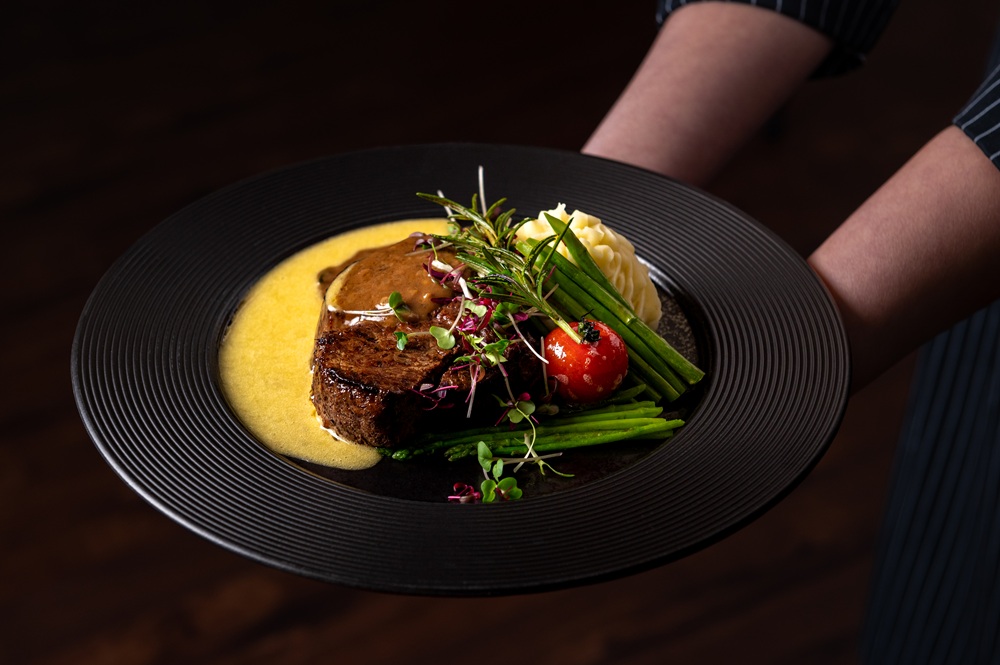
Think of a perfectly grilled steak. It becomes exceptional with a Bordelaise sauce. Or steamed vegetables transformed with a simple bechamel sauce.
A Brief History of Sauces: From Careme to Escoffier
The modern understanding of types of sauces in cooking traces back to two French culinary giants. In 1833, Marie-Antoine Carême published his classification of French sauces in L'art de la cuisine française au XIXe siècle, defining four grandes sauces: Béchamel, Velouté, Espagnole, and Allemande. Nearly a century later, Auguste Escoffier refined and modernised the system — removing Allemande (reclassifying it as a derivative of Velouté), and adding Hollandaise and Tomato Sauce to arrive at the five mother sauces still taught in professional kitchens today. These sauces became the backbone of classical cuisine and continue to shape kitchens worldwide.
At the heart of classical cuisine are the mother sauces, the base from which hundreds of other sauces are derived. Four of them begin with a roux (a cooked mixture of flour and fat), while one, Hollandaise, relies on emulsification.
What is a roux? A roux is one of the most fundamental building blocks in classical cooking — made from equal parts butter and flour, cooked together over medium heat before a liquid is added. The colour of the roux (white, blond, or dark brown) determines both the flavour and the sauce it is used for. White roux is cooked briefly and tastes neutral; blond roux is cooked a little longer and develops a slightly nutty quality; dark roux is cooked until deep brown, adding rich, roasted flavour to sauces like Espagnole. Getting your roux right is the first step to mastering four of the five mother sauces.
To understand why the mother sauces remain so important today, it helps to first look at the wider foundation of French cooking techniques that shaped professional kitchens around the world.
Bechamel: The Classic White Sauce
.jpg)
Flavour profile: Creamy, mild, and subtly nutty — Béchamel is intentionally neutral, designed to add richness without overpowering delicate ingredients.
Base: Milk | Thickener: White roux | Key element: Onion piqué (an onion studded with cloves and a bay leaf, used to infuse the milk before straining)
How to make it (method summary): Melt butter in a saucepan, add flour, and cook over medium heat for 1–2 minutes without browning (this is your white roux). Gradually whisk in warm milk, a ladle at a time, until smooth. Simmer for 8–10 minutes, stirring constantly, until the sauce thickens and coats the back of a spoon. Season with salt, white pepper, and a pinch of nutmeg.
Key derivatives: Mornay (with melted cheese), Soubise (with puréed onions), Cream sauce, Nantua (with crayfish butter)
Perfect for: Lasagna, gratins, croque monsieur, mac and cheese, creamy soups.
Velouté: The Light Stock Sauce
.jpg)
Flavour profile: Light, savory, and clean — Velouté takes its name from the French word for "velvet," which perfectly describes its smooth, soft texture. Unlike Béchamel, its flavour changes depending on the stock used.
Base: White stock (chicken, fish, or veal) | Thickener: Blond roux
How to make it (method summary): Make a blond roux by cooking butter and flour slightly longer than for Béchamel — until it turns a pale golden colour and smells faintly nutty. Gradually whisk in warm white stock until smooth. Simmer for 20–30 minutes, skimming regularly, until silky and lightly coating. Strain through a fine sieve before serving or using as a base.
Key derivatives: Allemande (with egg yolk and cream), Suprême (with cream), Bercy (with shallots and white wine), Vin Blanc (with white wine and butter)
Best with: Poultry, fish, veal, and delicate vegetables.
Espagnole: The Rich Brown Sauce

Flavour profile: Rich, deep, and intensely savoury — Espagnole is the darkest and most robust of all the mother sauces. Its complex flavour comes from layered browning at every stage: the roux, the vegetables, and the stock.
Base: Brown stock (beef or veal) | Thickener: Dark roux | Aromatics: Mirepoix (onion, carrot, celery), tomato paste, bouquet garni
How to make it (method summary): Brown your mirepoix in butter until deeply caramelised. Add tomato paste and cook for 2 minutes. Add dark roux, then gradually whisk in hot brown stock. Simmer for 1–2 hours, skimming regularly, until the sauce coats the back of a spoon and has reduced by roughly one-third. Strain through a fine sieve. Espagnole is rarely served on its own — it exists primarily as the base for demi-glace and other derivatives.
Key derivatives: Demi-glace (Espagnole reduced with brown stock to a glaze-like consistency), Bordelaise (with red wine and bone marrow), Robert (with mustard and white wine), Chasseur (with mushrooms and tomatoes)
Best with: Beef, lamb, game, braised meats, roasts
Hollandaise: The Emulsion Sauce
.jpg)
Flavour profile: Rich, buttery, and slightly tangy — Hollandaise is a warm emulsion sauce with a silky, glossy texture and a gentle acidity from lemon juice or white wine vinegar.
Base: Clarified butter | Thickener: Egg yolk emulsion (no flour involved)
How to make it (method summary): Whisk egg yolks with a reduction of white wine vinegar and water over a bain-marie (a bowl set over barely simmering water — not boiling). Whisk until the mixture thickens and becomes pale and ribbony. Remove from heat and slowly stream in warm clarified butter, whisking constantly, until a thick, glossy emulsion forms. Season with lemon juice, salt, and white pepper.
Critical technique note: Temperature control is everything with Hollandaise. If the heat is too high, the egg yolks will scramble and the sauce is ruined. The water beneath the bain-marie should never boil. If the sauce splits — becoming greasy and separated — whisk a fresh egg yolk with a splash of warm water in a clean bowl and slowly whisk the broken sauce back in to re-emulsify.
Key derivatives: Béarnaise (with tarragon and shallots), Choron (Béarnaise with tomato), Mousseline (with whipped cream folded in), Maltaise (with blood orange juice)
Best with: Eggs Benedict, asparagus, poached fish, steamed vegetables
Tomato (Sauce Tomat): The Versatile Foundation
.jpg)
Flavour profile: Pleasantly acidic, warm, and savoury — with a body and depth that comes from slow cooking and a proper savoury base, not just simmered tomatoes.
Base: Tomatoes + white veal stock | Thickener: Reduction (classically, a roux was also used)
Important distinction: The classical French Sauce Tomat is quite different from Italian-style tomato sauce. It is built on white veal stock, salt pork, and mirepoix — making it a fully constructed sauce with structural depth. Escoffier's original recipe also uses a roux, though modern versions rely on reduction alone to build body. The result is richer, more savoury, and less one-dimensional than everyday pasta sauce.
How to make it (method summary): Render salt pork, add mirepoix and cook until soft. Add tomato paste, then quartered fresh tomatoes and white veal stock. Add garlic, a bouquet garni, and a pinch of sugar to balance acidity. Simmer for 1–1.5 hours until thick and deeply flavoured. Pass through a fine sieve.
Key derivatives: Marinara, Creole, Portugaise, Provençale
Best with: Pasta, pizza, grilled meats, eggs, polenta
Mother Sauces Quick-Reference Table
What about Mayonnaise?
Mayonnaise is sometimes discussed alongside the mother sauces as a sixth cold emulsion sauce. Escoffier included it in his Guide Culinaire alongside the five hot mother sauces. Made from egg yolks, oil, and acid (vinegar or lemon juice), it uses the same emulsification principle as Hollandaise — fat droplets suspended in a water-based liquid — but is made cold rather than warm. Its derivatives include Aioli, Remoulade, Tartare, and Thousand Island. While most culinary schools today teach only the five hot mother sauces as the core system, understanding mayonnaise as a cold mother sauce rounds out a chef's full picture of classical sauce-making.
Daughter Sauces and Secondary Sauces
What Is a Daughter Sauce?
A daughter sauce is derived from a mother sauce by adding flavouring ingredients. This is where creativity begins, and where chefs truly develop their identity.
The Most Important Derivative Sauces to Learn:
- Demi-glace: Espagnole reduced with equal parts brown stock until it reaches a rich, glossy, coating consistency. The foundation of classical meat cookery
- Mornay: Béchamel enriched with Gruyère and Parmesan — the sauce behind gratins, croque monsieur, and cheese-topped pasta dishes
- Béarnaise: A Hollandaise variant flavoured with tarragon, shallots, and white wine vinegar — the classic accompaniment to grilled steak
- Suprême: Velouté enriched with heavy cream and butter — elegant, light, and ideal with poultry
- Chasseur: Espagnole-based sauce with mushrooms, shallots, tomatoes, and white wine — a French bistro classic
- Aurora: Velouté or Béchamel tinted pink with tomato purée — often served with eggs or poached fish
- Bordelaise: Espagnole-based with red wine, bone marrow, and shallots — one of the most celebrated French sauces for red meat
Beyond French Cuisine: Asian Sauces Overview
.jpg)
While French sauces provide structure, Asian cuisin
Use it for: Marinades, stir-fries, dipping sauces, seasoning braises. Light soy sauce adds saltiness and colour; dark soy sauce adds depth and a slight sweetness; aged soy sauce adds complexity to slow-cooked dishes.
Fish Sauce: The Umami Backbone of Southeast Asia
Use it for: A few drops added to curries, stir-fries, dressings, and soups replaces salt while adding a savoury depth that can't be achieved any other way. It smells powerful on its own — it transforms when cooked.
Oyster Sauce and Hoisin Sauce
Use it for: Oyster sauce coats stir-fried vegetables and meats with a glossy, savoury glaze. Hoisin is used as a dipping sauce, a glaze for Peking duck, and a base for Cantonese BBQ marinades.
Chilli-Based Sauces: Sriracha, Gochujang, Sambal, Chilli Crisp
Use it for: Sriracha as a finishing sauce or condiment; Gochujang as a base for marinades and Korean stews; Sambal as a cooking sauce in Indonesian and Malaysian dishes; Chilli crisp as a finishing oil over noodles, dumplings, and rice.
Peanut Sauce (Satay) and Tamarind Sauce
Use it for: Peanut sauce as a dipping sauce for satay, a dressing for noodle salads, or a sauce for spring rolls. Tamarind as an acidic balancer in Indian chutneys, Thai Pad Thai, and Middle Eastern dressings.
Teriyaki, Ponzu, and Japanese Dipping Sauces
Use it for: Teriyaki as a glaze for grilled chicken, salmon, and tofu. Ponzu as a dipping sauce for sashimi, gyoza, and shabu-shabu. Both rely on balance — sweet against savoury, acid against richness.
Middle Eastern and Mediterranean Sauces
.jpg)
In Middle Eastern cuisine, sauces are deeply tied to culture and shared dining. These regional sauces also show how broad and expressive the world of food can be, which is exactly why understanding what are culinary arts goes far beyond simply following recipes.
Tahini: The Sesame Sauce
Nutty, creamy, essential for hummus and dressings.
Toum: Lebanese Garlic Sauce
Powerful, emulsified, and intensely aromatic.
Zhoug (Sahawiq): Yemeni Green Sauce
Herbaceous and spicy.
Harissa: North African Chilli Paste
Smoky, spicy, and deeply flavourful.
Muhammara, Laban, and Others
Each brings unique textures and flavour profiles to the table.
Modern Sauce Techniques Every Chef Should Know
Today’s kitchens go beyond tradition.
Emulsions: Stable and Broken
Understanding how fat and liquid interact is key to sauces like Hollandaise.
Reductions and Glazes (Glace de Viande)
Concentrating flavour through slow reduction.
Pan Sauces and Deglazing
Capturing flavour from the pan after cooking.
Beurre Blanc and Butter Sauces
Delicate, temperature-sensitive emulsions.
Culinary Foams and Espumas
Modernist techniques using aeration.
Gel-Based and Fluid Gel Sauces
Precision-driven textures in contemporary cuisine.
Essential Sauce-Making Skills and Techniques
Mastering sauces starts with fundamentals, often taught as part of basic cooking skills every budding chef must know.
Making a Perfect Roux: White, Blond, Brown
Achieving the Right Consistency: Nappé, Coating, Flowing
Seasoning and Balancing Flavours
Straining, Passing, and Finishing
Equipment for Sauce Making
.jpg)
Essential Tools
- Saucepan
- Whisk
- Fine sieve
- Ladle
Advanced Tools for Modern Techniques
- Immersion blender
- Siphon (for foams)
- Thermometer
- Vacuum equipment
How to Train in Sauce Making at ICCA Dubai
Professional Diploma in Culinary Arts
If you want to master types of sauces in cooking at a professional level, structured training is essential. At ICCA, students learn classical mother sauces and derivatives, global sauce applications, and modern culinary techniques. From classical French foundations to modern global techniques, mastering sauces is one of the most powerful ways to elevate your cooking.
Why Dubai Is the Ideal Place to Study Sauces
Dubai’s culinary scene combines:
- French fine dining
- Asian fusion
- Middle Eastern traditions
This makes it one of the most dynamic places in the world to learn sauce-making.
If you’re serious about building real culinary expertise, ICCA Dubai offers hands-on training designed to take you from fundamentals to professional execution. Explore the Professional Diploma in Culinary Arts to build real kitchen expertise.
.jpg)
.jpg)

.jpg)
.jpg)

