
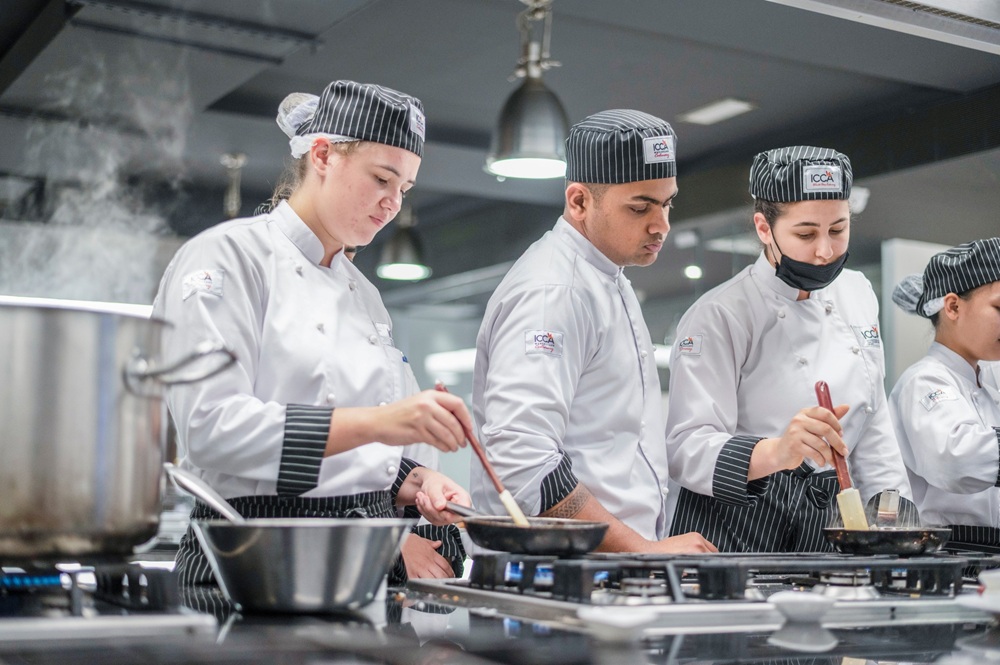
Culinary school is generally considered a trade school, and more broadly, a form of vocational or TVET (Technical and Vocational Education and Training). The reason is simple: culinary education is built around preparing students for a specific occupation through practical, skills-based training rather than broad academic study. UNESCO defines TVET as education and training focused on practical skills and knowledge for particular trades and professions, which aligns closely with how culinary schools operate.
Understanding Trade Schools and Vocational Education
A trade school is designed to help students gain the knowledge, technical ability, and workplace competencies needed for a specific career. Unlike a conventional university program, which often includes general education requirements across multiple disciplines, trade education is narrower and more occupationally focused. UNESCO’s vocational education definition emphasizes learning that is specific to a particular occupation or class of occupations, and may include work-based components as well.
That is why culinary education fits naturally into this category. Instead of spending years on broad academic theory, students spend much of their time learning applied techniques such as knife skills, food safety, kitchen operations, baking science, plating, production workflows, and service standards. The goal is not just to study food, but to become employable in professional kitchens, bakeries, hotels, and food businesses.
How Culinary Programs Fit the Trade School Model

Culinary programs meet the key criteria of trade education because they teach specialized, job-ready skills in a defined professional field. A culinary diploma or certificate typically trains students in core areas such as cookery, baking, pastry, kitchen hygiene, production planning, and commercial food preparation. City & Guilds, one of the best-known awarding bodies in this space, offers hospitality and catering qualifications specifically geared toward roles such as commis chef, chef de partie, and related kitchen pathways.
Even outside the UAE, leading culinary institutions use the same trade-school logic. Auguste Escoffier School of Culinary Arts, for example, offers both diploma and occupational degree pathways geared toward direct culinary careers, showing that culinary education can sit within both trade-school and career-college formats depending on the institution and credential structure.
The TVET Framework in UAE Culinary Education
In Dubai, culinary training providers operate within a regulated training environment. KHDA oversees training institute permits in Dubai, and institutions listed in its training directory operate within that education-services framework. ICCA states that its programs are recognized by KHDA, while its professional programs also carry international benchmarking through City & Guilds and Worldchefs recognition.
This combination is important. The local recognition supports legitimacy within Dubai’s training ecosystem, while the international recognition strengthens employer confidence and mobility beyond the UAE. ICCA’s published materials note KHDA-linked completion attestation in Dubai, and its professional diploma pages highlight City & Guilds accreditation and Worldchefs recognition.
Key Differences Between Culinary School and Traditional College
The biggest difference between culinary school and traditional college is focus. Traditional college programs often include broader academic subjects, electives, and a longer study timeline. Culinary school, by contrast, is more streamlined and career-oriented. It is designed to build practical skills quickly, with students spending far more time in training kitchens, workshops, and hands-on learning environments rather than on unrelated general coursework.
The credential structure can also vary. Culinary schools may offer certificates, diplomas, or other career-focused qualifications depending on the program and institution. While formats differ, the core purpose remains the same: to prepare students with industry-relevant skills and practical experience that can be applied directly in professional kitchens and hospitality environments.
This makes culinary school a strong choice for students who want a more direct, skills-based route into the food and hospitality industry, rather than a broader academic pathway.
Program Duration and Credential Options in the UAE
In the UAE, culinary training often comes in certificate and diploma formats that are shorter than conventional degrees. ICCA’s flagship professional diploma messaging highlights a 90-day accelerated pathway, while its broader professional program structure is still clearly designed around rapid skills acquisition and industry entry rather than multi-year academic study.
Costs and duration vary by provider and specialization, but the broader pattern remains the same: shorter, more intensive training with direct job relevance. ICCA’s advanced culinary diploma page, for example, publishes a tuition figure and ties the program directly to employment as a commis or assistant chef, plus internship or work placement opportunities.
Accreditation and Industry Recognition Standards
When evaluating a culinary school, accreditation and recognition matter. In the UAE and internationally, learners should look for indicators such as approved training status, recognized awarding bodies, and industry validation. City & Guilds is a major international awarding body in hospitality and catering, while Worldchefs recognition signals alignment with quality expectations in culinary education.
In the U.S. context, the American Culinary Federation also plays an important role. The ACF and its accrediting arm recognize culinary programs and set standards for educational quality, while ACF certification can support professional advancement for chefs. That does not replace local UAE regulation, but it helps explain how culinary education is commonly validated worldwide.
Career Pathways After Trade School Culinary Training
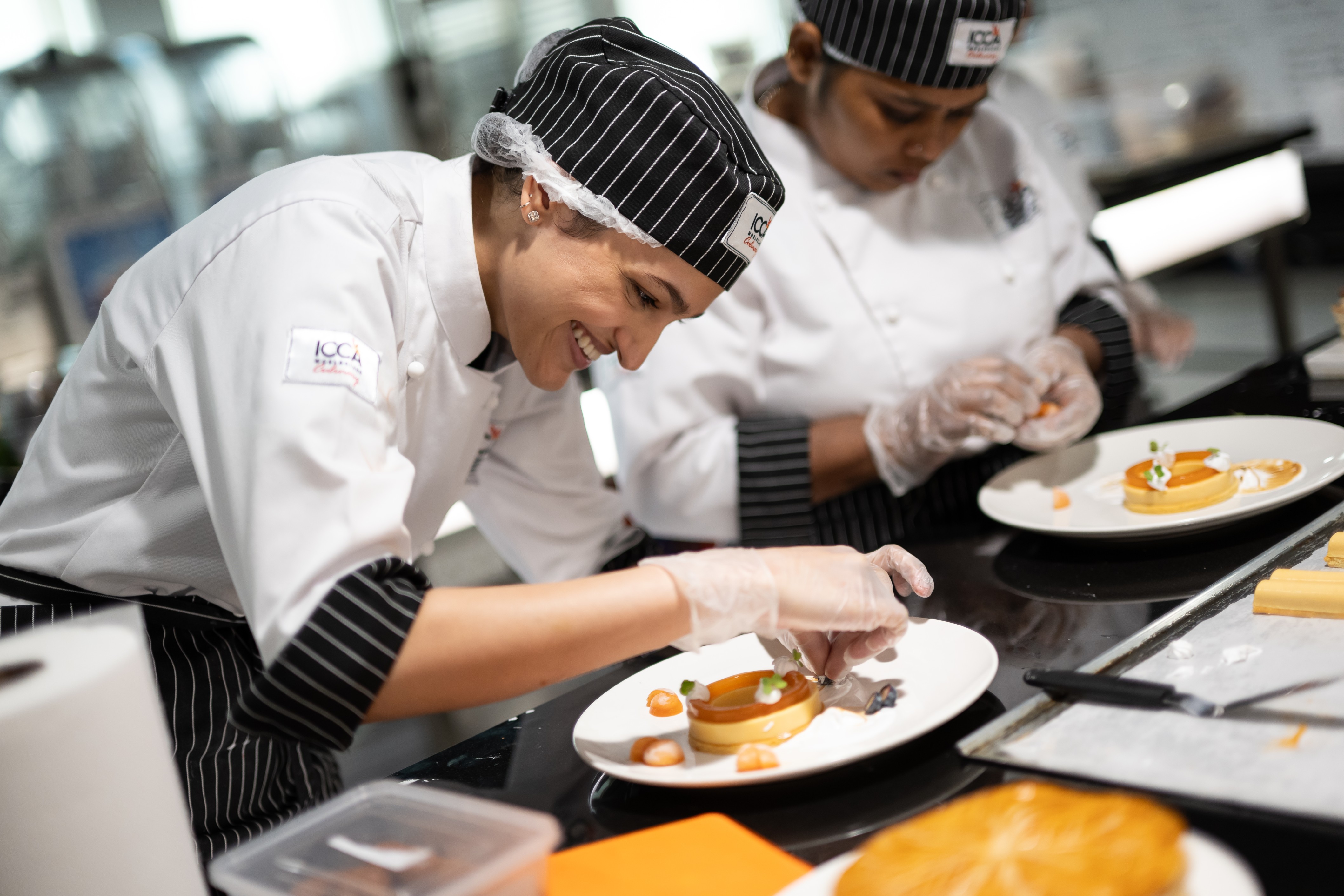
Graduates of culinary trade programs typically enter the workforce in junior operational roles such as commis chef, assistant chef, baker’s assistant, or similar kitchen support positions. From there, career growth usually depends on workplace performance, experience, specialization, and consistency over time. ICCA’s program pages explicitly connect training to entry-level kitchen employment and progression through internships or placements.
That path reflects how the culinary profession works in reality: school gives you the foundation, but advancement to chef de partie, sous chef, or executive chef comes through years of practical industry experience. In other words, culinary school is an entry point into the brigade, not the finish line. City & Guilds’ role-based qualification structure reflects that same laddered progression in hospitality and catering careers.
Benefits of the Trade School Approach for Culinary Students
For many students, the trade-school model is attractive because it can be faster, more focused, and more cost-effective than a traditional degree. It gets learners into kitchens sooner, lets them build confidence through repeated practice, and aligns education with a clear employment goal. UNESCO’s framing of TVET around work-ready skills and livelihoods supports exactly this kind of outcome-oriented model.
That is especially relevant in a city like Dubai, where hospitality and tourism remain major economic pillars and where training linked to service standards and workforce readiness has clear market relevance. Dubai’s tourism and hospitality training ecosystem also reflects a strong emphasis on practical, industry-linked learning.
For students in the UAE, that makes culinary school a strong option for entering the hospitality industry without following a conventional four-year academic route. Schools such as ICCA Dubai illustrate how this model works in practice: regulated local recognition, international accreditation, hands-on delivery, and a clear bridge from classroom to kitchen.
Ready to turn your passion into a profession? Explore ICCA Dubai’s industry-focused culinary programs and take the first step toward a career in the world of food and hospitality.
.jpg)
.jpg)

.jpg)
.jpg)
.jpg)

