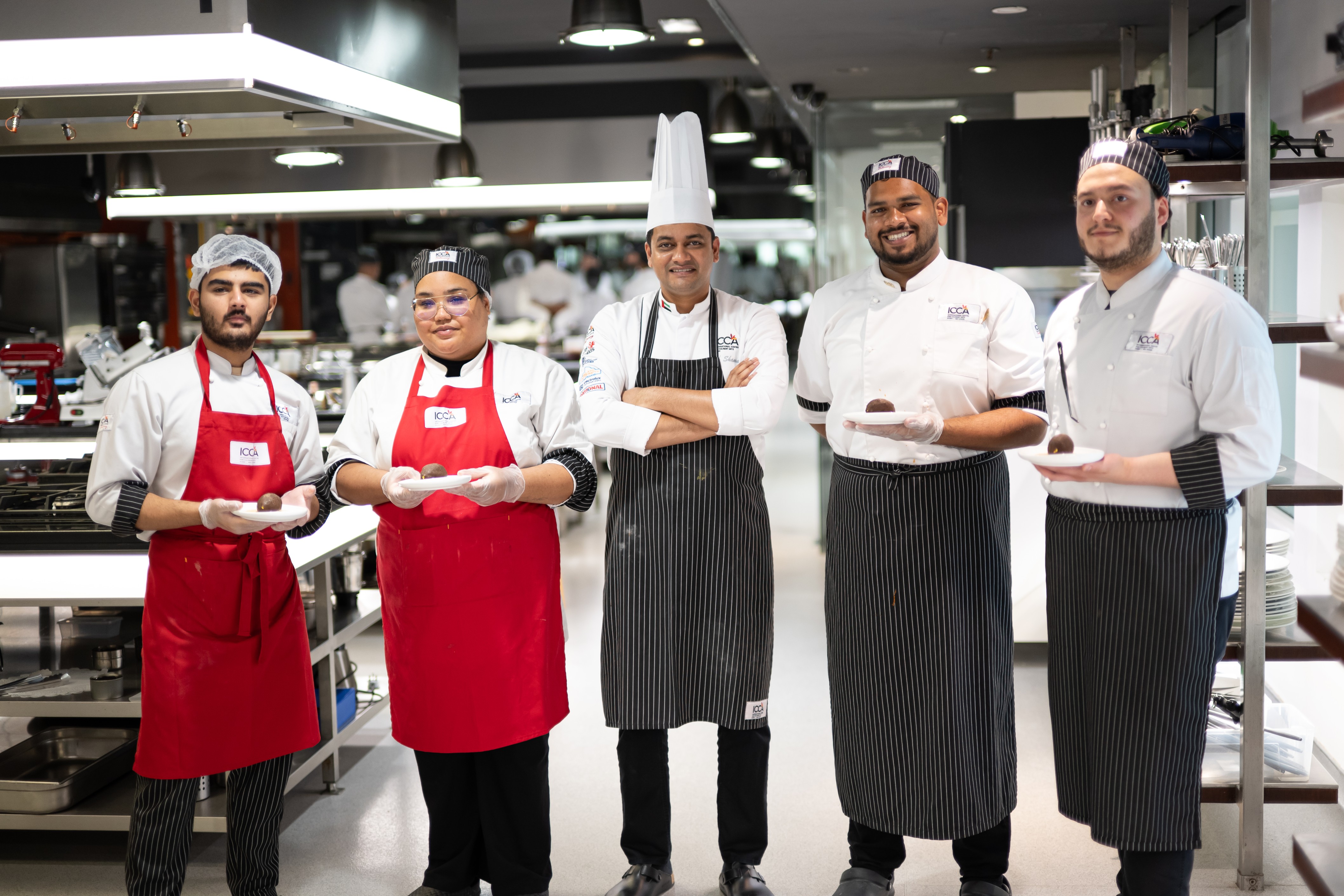
The kitchen brigade is the organizational system used in professional kitchens to divide responsibilities, improve communication, and keep service running smoothly. This structure gives every team member a defined role, from the executive chef to station chefs, junior cooks, and kitchen support staff.
What Is Kitchen Brigade?

A kitchen brigade is a chain-of-command system designed to organize kitchen staff by rank, station, and responsibility. In simple terms, it ensures that each person knows exactly what they are responsible for during preparation and service. Instead of everyone doing everything, the brigade divides work into specialized functions. This improves consistency, reduces confusion, and makes it easier to maintain quality under pressure.
In a traditional brigade, leadership sits at the top, station chefs manage core sections, junior chefs support production, and porters or dishwashers keep the kitchen clean and operational. This structure works especially well in hotels, fine dining restaurants, catering operations, and other high-volume environments where timing and coordination are critical.
History and Origins of the Kitchen Brigade System
The kitchen brigade system is closely associated with Auguste Escoffier, the legendary French chef who helped modernize professional cooking. Escoffier worked in prestigious hotel kitchens and brought a more disciplined structure to culinary operations. His military background influenced the hierarchy, which mirrored a command system where each person had a distinct role and reported to a superior.
Before this system became common, many large kitchens were crowded, noisy, and inefficient. Escoffier’s model transformed that chaos into an organized workflow. Working alongside César Ritz in luxury hospitality, he helped shape the kitchen structure that still influences restaurant operations around the world today.
Why the Brigade de Cuisine Was Created
The brigade system was created to solve a practical problem: large kitchens needed a better way to manage people, speed, and quality. When one chef specializes in sauces, another in pastry, and another in cold dishes, the kitchen becomes more efficient. Specialization reduces mistakes, improves technique, and makes training easier because each person learns a clear set of duties.
Another major benefit was communication. During service, kitchens can become intense and fast-paced. A brigade structure helps keep instructions flowing in the right direction, which supports better teamwork and stronger accountability. That is one reason the system has remained so relevant in professional hospitality.
Complete Kitchen Brigade Hierarchy
The classic kitchen brigade follows a pyramid-style hierarchy. At the top is the executive chef or chef de cuisine. Beneath that role is the sous chef, followed by chefs de partie who each run a station. Supporting them are commis chefs, apprentices, and kitchen assistants. In larger operations, there may also be highly specialized roles such as pastry chef, fish chef, roast chef, and expediter.
Not every restaurant uses the full classical model. Luxury hotels may operate with a more complete brigade, while smaller restaurants often combine several positions into one. Even so, the core idea remains the same: assign responsibilities clearly so the kitchen can perform efficiently and consistently.
Executive and Management Level Positions
Executive Chef
The executive chef is the highest-ranking culinary professional in the kitchen. This role is often responsible for menu development, food quality standards, budgeting, staffing, purchasing oversight, and overall kitchen leadership. In large hotels or restaurant groups, the executive chef may supervise multiple outlets and spend more time managing than cooking.
Chef de Cuisine
The chef de cuisine typically manages the day-to-day running of the kitchen. In some businesses, this title is used interchangeably with head chef. The role usually involves directing the team during service, overseeing prep, and making sure dishes meet the required standards.
Sous Chef
The sous chef is the second-in-command and one of the most important positions in the brigade. This chef supports the head chef, coordinates the line, supervises staff, handles scheduling or training, and steps into different stations whenever needed. In practical terms, the sous chef often keeps service moving when pressure is highest.
Chef de Partie and Specialized Station Chefs
.jpg)
The chef de partie, also called a station chef, is responsible for a specific area of kitchen production. These chefs are the backbone of the brigade because they control the preparation, organization, and quality of their assigned section. In well-structured kitchens, each station develops deep technical expertise and contributes to faster, more consistent service.
Common chef de partie roles include the saucier, who handles sauces and sautéed dishes; the garde manger, who prepares cold dishes and plated starters; the pâtissier, who manages desserts and baked items; and the entremetier, who focuses on vegetables, soups, and starches. Some traditional brigades also include a poissonnier for fish and a rôtisseur for roasted and braised meats.
Junior Positions and Kitchen Entry-Level Roles
.jpg)
Below the station chefs are junior roles such as commis chefs and apprentices. A commis chef supports the chef de partie by assisting with mise en place, prep work, basic cooking tasks, and station setup. In many kitchens, commis levels are divided by experience, with more advanced junior chefs taking on greater responsibility over time.
Support roles are just as essential. Kitchen porters, stewards, and dishwashers help maintain hygiene, equipment flow, and basic prep support. These positions may not receive the same visibility as chef roles, but they are fundamental to smooth service and safe kitchen operations. In many real-world kitchens, they also provide an entry path into the culinary profession.
How the Brigade System Works During Service
During service, the brigade operates like a coordinated production line. Orders come in, the leadership team communicates priorities, and each station handles its designated tasks. The structure reduces overlap and ensures that hot food, cold dishes, sauces, garnishes, and desserts are all prepared in sync.
Because each person knows their role, the kitchen can move faster without losing control. That clarity becomes especially important during peak periods, banquets, or high-volume hotel operations where precision and timing directly affect guest satisfaction.
Benefits of the Kitchen Brigade System
One of the biggest benefits of the brigade system is efficiency. Clear division of labor means fewer duplicated tasks, stronger accountability, and better communication. This can lead to faster ticket times and more consistent food quality, especially in operations serving large numbers of guests.
The system also supports training and career progression. Because roles are clearly defined, junior team members can learn step by step and work their way upward. This structured pathway helps chefs build technical skills, leadership ability, and confidence over time.
Challenges of the Traditional Brigade System
Although the brigade system is effective, it is not always practical in its full traditional form. Many smaller restaurants cannot afford a large team of highly specialized chefs. Labor costs, limited kitchen space, and modern staffing realities often make a 20-person brigade unrealistic.
Another challenge is flexibility. A rigid hierarchy can sometimes slow cross-training or make it harder for chefs to work across multiple stations. Today’s restaurant industry often values versatility, so many businesses modify the classical brigade to create smaller, more adaptable teams.
Modern Adaptations of the Brigade System
Modern kitchens rarely follow Escoffier’s system exactly as it existed in grand hotel kitchens. Instead, many restaurants use simplified brigade structures. A sous chef may also act as a station lead, while one chef de partie may cover several areas such as grill, sauce, and plating. In casual dining and independent restaurants, this hybrid structure is often more cost-effective.
The rise of delivery-first food businesses has also changed kitchen organization. Cloud kitchens and shared-use commercial kitchens focus heavily on speed, packaging, order flow, and operational efficiency. In the UAE and wider MENA region, cloud kitchen infrastructure continues to expand, showing how modern food service models are reshaping brigade-style teamwork around new commercial needs.
Implementing the Brigade System in Different Restaurant Types
Fine dining restaurants and luxury hotels are the most likely to use a more traditional brigade because they require high specialization, complex menus, and precise execution. In those settings, separate pastry, sauce, fish, banquet, and garde manger teams may all exist under one culinary leadership structure.
By contrast, casual dining restaurants, cafés, and smaller outlets usually run leaner brigades. One team member may prep cold items, help on hot line service, and assist with closing duties on the same shift. The system still exists, but it is streamlined to match the scale of the operation.
Career Progression in the Kitchen Brigade
The brigade system creates a visible career ladder. Many chefs begin in entry-level support or commis roles, progress to demi chef or chef de partie positions, then move into sous chef and head chef responsibilities. Advancement usually depends on technical skill, speed, consistency, leadership, and the ability to stay calm under pressure.
This progression remains one of the system’s strongest advantages because it gives aspiring chefs a clear route for growth. Rather than learning randomly, they develop discipline within a structure that gradually expands both culinary and managerial responsibility.
Salary Expectations in the UAE Kitchen Brigade
In the UAE, chef salaries vary widely depending on the city, employer, property type, and level of experience. Job and salary listings suggest that entry-level culinary roles may start around the lower thousands of dirhams per month, while chef de partie and sous chef roles can move notably higher depending on brand prestige and operational complexity. Hotel groups and large hospitality employers often offer broader packages than standalone outlets.
Because salary data can differ between platforms and employers, it is best to treat published figures as directional rather than fixed. In practice, compensation is influenced by whether the role is in fine dining, casual dining, banqueting, or multi-outlet hotel operations.
Essential Skills Needed in the Brigade System

Technical skill remains the foundation of brigade success. Knife work, timing, organization, cleanliness, and station discipline are essential at every level. As chefs move upward, they also need stronger communication, leadership, stock control, menu planning, and staff training abilities.
Just as important is mindset. Professional kitchens reward consistency, teamwork, resilience, and attention to detail. Whether someone works pastry, hot line, or garde manger, the ability to perform under pressure is a defining part of brigade culture.
The Future of Kitchen Brigade in Hospitality
The brigade system is evolving rather than disappearing. Technology, automation, delivery platforms, and smart kitchen tools are changing how teams operate, but the need for organization and accountability remains the same. As food service grows more complex, structured roles still help kitchens maintain standards and efficiency.
In the years ahead, many kitchens will likely continue using flexible brigade models instead of full traditional hierarchies. Cross-trained teams, smaller footprints, and digitally optimized operations may become more common, but the core principle of the brigade system will remain valuable: every successful kitchen works best when roles are clear and execution is coordinated.
Even though modern restaurants often adapt the model, the brigade system still shapes how professional kitchens train staff, run service, and maintain standards. Whether in a luxury hotel, a neighborhood restaurant, or a cloud kitchen, the basic idea remains highly relevant: structure creates efficiency, and efficiency supports great food.
If you are ready to turn your passion for cooking into a professional career, ICCA can help you gain the hands-on training and real-world culinary skills needed to thrive in a professional kitchen brigade. From foundational techniques to industry-focused learning, ICCA prepares future chefs to succeed in fast-paced hospitality environments and grow with confidence in their culinary journey.


.jpg)
.jpg)
.jpg)


.jpg)