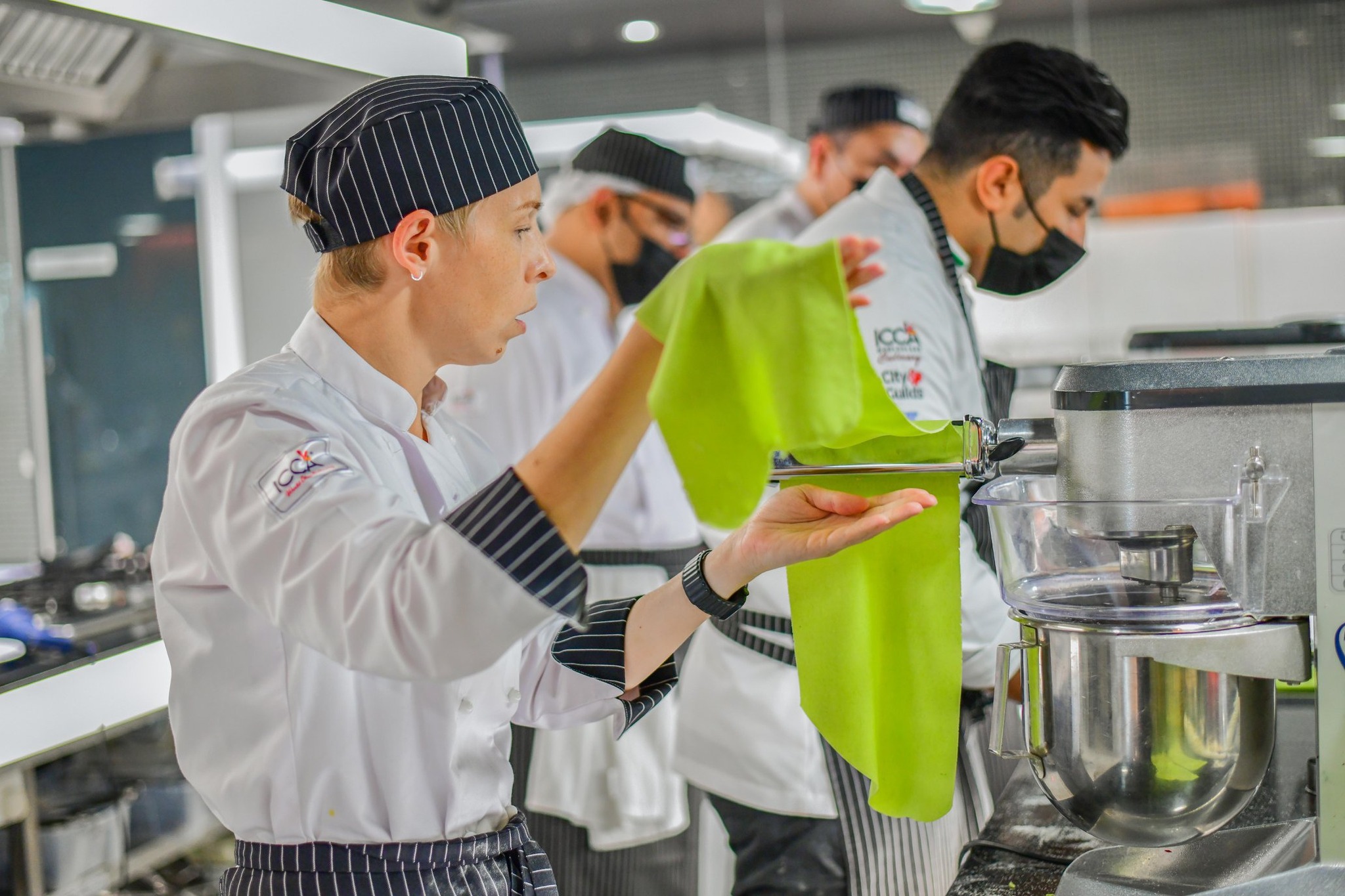
There’s a moment in every professional kitchen where everything speeds up at once. Orders start coming in faster. The grill is full. The pass is crowded. The team looks up, not at the executive chef, but at the person who keeps everything moving. That person is the sous chef.
If you’ve ever wondered what a sous chef does or how this role fits into a professional kitchen, this guide breaks it down, from meaning and responsibilities to salary and career path in Dubai and beyond.
What Is a Sous Chef?
Sous Chef Meaning and Etymology
The term “sous chef” comes from French, meaning “under chef.” In simple terms, the sous chef is the second-in-command in a professional kitchen, working directly under the head or executive chef.
While the title may sound junior, the responsibility is anything but. A sous chef is the operational backbone of the kitchen, bridging leadership with execution.
If you’re still exploring culinary roles more broadly, it helps to understand the difference between a chef and a cook, as this distinction often shapes how kitchens are structured.
Where the Sous Chef Sits in the Kitchen Brigade
In the classic brigade system, the hierarchy looks like this:
- Executive Chef
- Head Chef
- Sous Chef
- Chef de Partie
- Commis Chef
- Kitchen Porter
The sous chef operates right in the middle, translating high-level vision into daily execution while managing the team below.
Key Responsibilities of a Sous Chef
.jpg)
Managing Daily Kitchen Operations
A sous chef ensures the kitchen runs smoothly during service. This includes coordinating stations, timing dishes, and solving problems in real time.
Supervising and Training Kitchen Staff
From commis chefs to chef de partie, the sous chef is responsible for:
- Delegating tasks
- Monitoring performance
- Training junior staff
They are often the first mentors young chefs encounter in their careers.
Menu Planning and Food Quality Control
Working alongside the head chef, the sous chef helps:
- Refine recipes
- Maintain consistency
- Ensure plating standards
Inventory Management and Cost Control
A strong sous chef understands numbers as well as flavors:
- Stock ordering
- Waste reduction
- Portion control
Enforcing Food Safety and Hygiene Standards
Compliance is non-negotiable. Sous chefs ensure all team members follow HACCP and hygiene protocols at all times.
Stepping In for the Head Chef
When the head chef is absent, the sous chef takes full control of the kitchen, making leadership a core part of the role.
Daily Duties of a Sous Chef
A Typical Day in the Life of a Sous Chef
A sous chef’s day often includes:
- Morning prep supervision
- Staff briefings
- Coordinating mise en place
- Managing lunch and dinner service
- Handling supplier deliveries
- Reviewing kitchen performance
It’s fast-paced, demanding, and requires constant decision-making.
Essential Skills Every Sous Chef Needs
Culinary Expertise and Technique Mastery
A sous chef must master core cooking techniques, from precision knife work to building balanced sauces under pressure. In practice, this level of control comes from repetition, discipline, and a deep understanding of fundamentals, which is why many chefs refine their foundation through resources like professional cooking techniques every chef should know, where these skills are broken down in a way that directly translates into real kitchen performance.
Leadership and Team Management
A sous chef leads by example, balancing authority with mentorship.
Communication and Conflict Resolution
Clear communication is critical during high-pressure service.
Time Management and Multitasking
Handling multiple orders, stations, and team members simultaneously is part of the job.
Creativity and Menu Development
Sous chefs contribute ideas that shape menus and seasonal offerings.
Financial and Inventory Awareness
Understanding food cost percentages and margins is essential for career progression.
Sous Chef vs Head Chef vs Executive Chef
Key Differences at a Glance
As you move up in the kitchen, technical skill alone is no longer enough; understanding leadership structure becomes just as important. The transition from execution to oversight becomes clearer when you look closely at the head chef job description and duties, and how that role differs from broader strategic leadership outlined in head chef vs executive chef — key differences, giving you a more complete picture of where the sous chef fits within the hierarchy.
How the Roles Work Together
- Executive chef defines direction
- The head chef leads the kitchen
- The sous chef ensures execution
Without a strong sous chef, even the best kitchens struggle during service.
Sous Chef Salary: UAE and Global Expectations
Sous Chef Salary in Dubai and the UAE
In Dubai, sous chef salaries typically range from AED 6,000 to AED 16,000 per month. This varies based on:
- Hotel vs standalone restaurant
- Luxury vs casual dining
- Experience level
Factors That Affect Sous Chef Pay
- Years of experience
- Culinary specialization
- Brand reputation of the employer
- Leadership ability
How Sous Chef Salaries Compare Globally
- USA: $45,000–$70,000/year
- UK: £28,000–£45,000/year
- UAE: Competitive tax-free income
Dubai remains attractive due to tax-free earnings and strong hospitality demand.
How to Become a Sous Chef
Step 1: Earn a Culinary Arts Qualification
Every sous chef’s journey starts with a strong technical foundation, and structured training often accelerates that path significantly, especially through programs like ICCA’s Professional Culinary Diploma, where hands-on learning is designed to mirror the pace, pressure, and standards of a real professional kitchen.
Step 2: Gain Experience as a Commis or Line Cook
This is where foundational skills are built.
Step 3: Progress to Chef de Partie
At this stage, you manage a specific section of the kitchen.
Step 4: Develop Leadership and Management Skills
Transition from individual contributor to team leader.
Step 5: Apply for Sous Chef Positions
With experience and leadership ability, you’re ready to step into the role.
For those who are serious about building a culinary career in Dubai, the difference often comes down to exposure: being in real kitchens, working alongside professionals, and understanding how service actually runs. That’s exactly where ICCA’s training environment stands out, as students are consistently placed into live industry settings that naturally accelerate their progression toward roles like sous chef.
Qualifications and Certifications for Sous Chefs
Culinary Diplomas and Degrees
Formal training provides technical and professional credibility.
Food Safety and HACCP Certifications
Essential for working in professional kitchens worldwide.
Continuing Education and Specialisations
Advanced skills in pastry, international cuisine, or management can accelerate growth.
Career Progression Beyond Sous Chef
Head Chef
Executive Chef
Culinary Director or F&B Manager
Restaurant Ownership and Consulting
As your career progresses beyond the sous chef level, your role begins to shift from managing kitchens to shaping them—something that becomes clearer when exploring executive chef roles, skills, and career path, where leadership extends into concept development, team culture, and long-term culinary direction.
Start Your Sous Chef Career at ICCA Dubai
Why Train at ICCA Dubai?
- City & Guilds accredited programs
- 10 hours/day hands-on training
- Industry exposure (Taste of Dubai, F1 Abu Dhabi, Gulfood)
- Direct employer connections
ICCA’s Professional Culinary Diploma
Becoming a sous chef isn’t just about cooking—it’s about developing the judgment, leadership, and consistency that kitchens rely on every single day. For those ready to take that step seriously, building the right foundation early makes all the difference, and many aspiring chefs choose to begin that journey through ICCA’s Professional Culinary Diploma, where training is designed not just to teach skills but to prepare you for the realities of a professional culinary career.



.jpg)