Dubai’s home-based baking industry is thriving, driven by a growing demand for artisanal cakes, pastries, cookies, and bread. From custom celebration cakes to gluten-free desserts, home bakers are carving out a space in the city’s diverse food scene. But before you start selling to customers, you need to understand the legal requirements—specifically, how to get a home baking license Dubai. This license not only keeps you compliant with UAE laws but also builds trust with customers, food delivery platforms, and event organizers.
Understanding the Legal Framework
Dubai has strict but supportive regulations for home-based food businesses. The Department of Economic Development (DED) issues licenses for entrepreneurial activities, while the Dubai Municipality oversees food safety and hygiene compliance. This means home bakers must meet both business and food handling requirements before selling products to the public.
The framework is designed to protect consumers while giving bakers a legal pathway to operate. Having a home baking license Dubai not only ensures compliance but also opens doors to collaborations with delivery platforms and participation in public events.
Types of Licenses for Home Bakers
Dubai offers multiple licensing options depending on nationality, residency status, and how you plan to sell:
- Intelaq License – For UAE and GCC nationals starting small-scale home-based food businesses.
- E-Trader License – For Dubai residents of all nationalities selling through social media or personal websites.
- Freelance Permit – Offered by certain free zones, allowing individuals to work as independent bakers for events, catering, or private clients.
Each license comes with specific conditions, so choosing the right one depends on your target market and sales channels.
Eligibility and Application Process
To apply for a home baking license Dubai, you must meet the nationality and residency requirements for your chosen license type. The general process involves:
- Name Registration – Choose a trade name and register it with DED or the relevant free zone.
- Initial Approval – Submit your business concept and basic documents for review.
- Food Safety Requirements – Complete mandatory hygiene training.
- Kitchen Inspection – Pass a Dubai Municipality inspection to ensure your home kitchen meets the Dubai Food Code.
- Final License Issuance – Pay the required fees and receive your license.
Commonly required documents include Emirates ID, passport copy, tenancy contract or Ejari, training certificates, and kitchen layout photos.
Cost Breakdown and Renewal Fees
Additional expenses include AED 300–500 for training, kitchen modifications if needed, packaging materials, and delivery setup. Renewal fees apply annually, and late renewals may incur penalties.
Food Safety and Kitchen Inspection
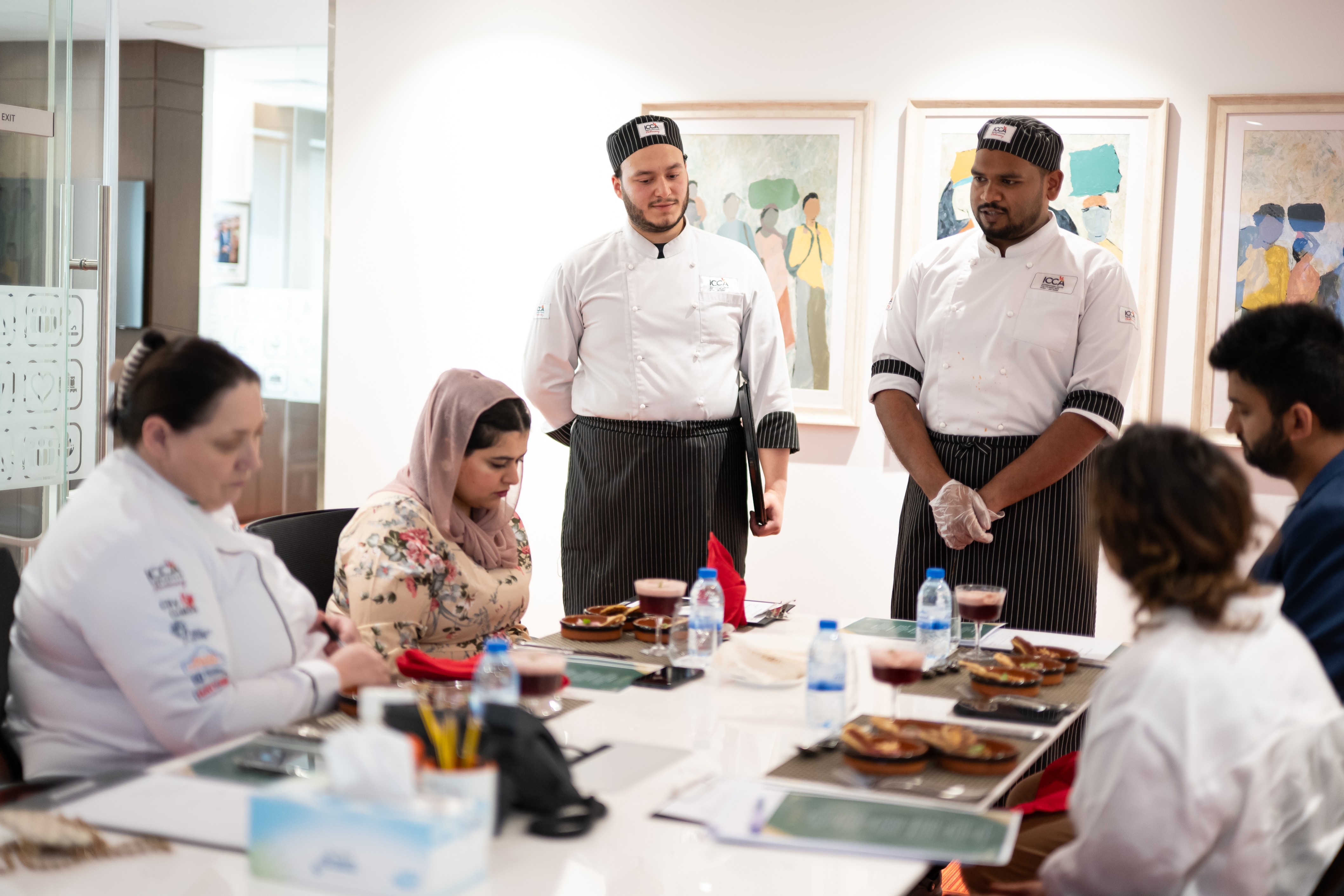
Dubai Municipality requires all home bakeries to comply with the Dubai Food Code. This includes proper food storage, separation of raw and cooked items, pest control measures, and safe waste disposal. Before granting your license, inspectors will check:
- Cleanliness of surfaces and utensils
- Adequate refrigeration and storage
- Ventilation and lighting
- Safe handling and packaging practices
Completing Basic Food Hygiene or Person in Charge (PIC) training is mandatory for at least one member of the household involved in the business.
Setting Up and Equipping Your Home Bakery
.jpg)
To operate legally and efficiently, your home kitchen should be equipped with the right appliances—mixers, ovens, cooling racks, storage containers, and temperature-controlled refrigerators. Ingredients should be sourced from reputable suppliers, ideally local ones to ensure freshness and cost efficiency. The workspace must be organized to separate baking, cooling, and packaging areas, reducing contamination risks.
Selling Your Products Legally (Online and Offline)
Dubai allows licensed home bakers to sell both online and offline. Popular sales channels include Instagram, WhatsApp, Talabat, Careem, Deliveroo, and personal websites. However, selling without a license—especially through social media—can result in fines. For offline sales, you can supply to cafés, participate in markets, or offer catering, but only with the right permits.
Packaging, Labeling & Special Dietary Products
.jpg)
All baked goods must be packaged securely and labeled clearly. Labels should include:
- Product name
- Ingredient list and allergen warnings
- Production and expiry dates
- Manufacturer name and license number
If producing special dietary items such as gluten-free, vegan, or keto-friendly goods, additional approvals may be required, and you must ensure no cross-contamination.
Marketing & Branding Your Home Bakery
Branding plays a huge role in attracting customers. A strong Instagram presence with well-shot product photos, customer testimonials, and behind-the-scenes baking videos can build trust. Tools like Canva help design professional-looking menus and labels, while influencer collaborations can expand your reach—provided you follow UAE advertising guidelines.
Managing Finances and Business Growth
Good financial management keeps your bakery profitable. This includes pricing products to cover costs and generate a profit, keeping accurate records, and monitoring inventory. If your turnover exceeds AED 375,000 annually, you must register for VAT. Apps like QuickBooks and Zoho Books can help with bookkeeping and sales tracking.
Legal Considerations for Expansion
As your bakery grows, you might outgrow your home kitchen. Options include renting a space in a cloud kitchen or opening a commercial bakery. Free Zone setups offer benefits like 100% ownership for expatriates, while Mainland businesses can cater directly to the local market without restrictions. Hiring staff requires compliance with UAE labor laws, including work permits and health cards.
Challenges Home Bakers Face in Dubai
The main challenges include navigating changing regulations, standing out in a competitive market, and balancing personal commitments with business growth. Staying updated with DED and Dubai Municipality announcements can prevent compliance issues, while networking with other home bakers can provide valuable support and collaboration opportunities.
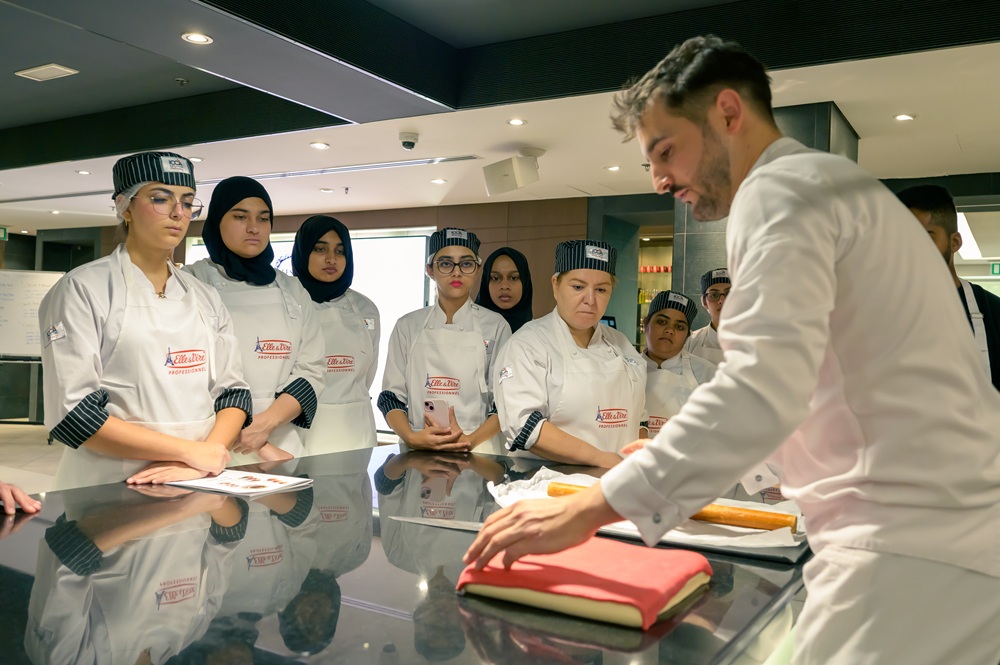
If you’re serious about starting a home bakery, the right training can make all the difference. ICCA Dubai offers professional baking courses that teach everything from classic pastry techniques to modern cake design, along with essential food safety training. These skills not only help you pass kitchen inspections but also give your products a competitive edge in the market.
Explore ICCA Dubai’s Baking & Pastry Courses and take the first step toward turning your passion into a thriving business.


.jpg)