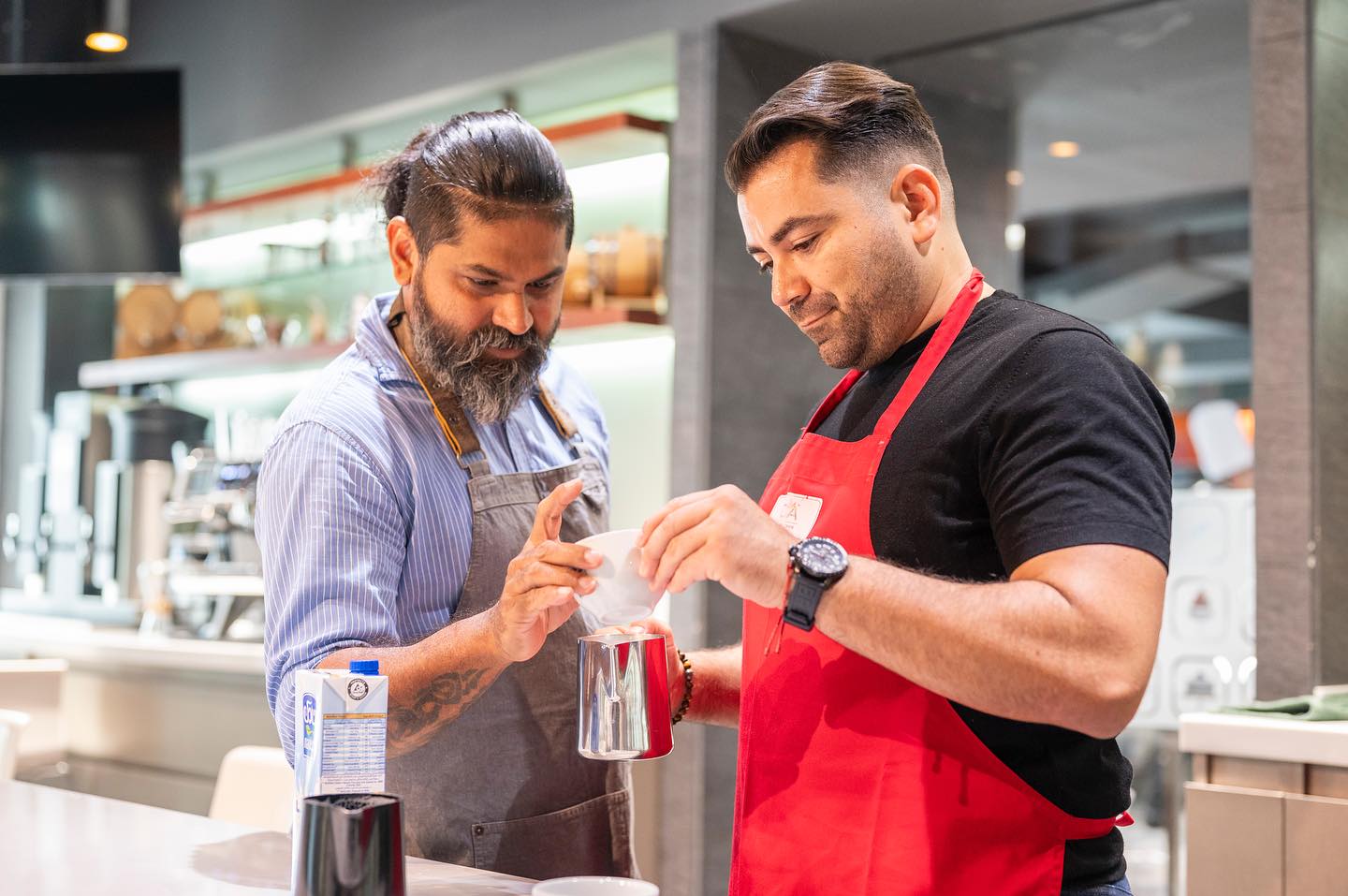
If you’ve ever imagined learning to cook in a city where the world comes together on one plate, Dubai might already be calling you. Over the past decade, Dubai hasn’t just grown into a global tourism hub. It has quietly become one of the fastest-rising education destinations in the region. According to Knowledge and Human Development Authority (KHDA), the city now hosts over 40 international university campuses, attracting students from 200+ nationalities across dedicated education hubs like Dubai International Academic City. At the same time, Dubai’s food scene is booming. The city is home to 13,000+ restaurants and cafés, while Mordor Intelligence reports the UAE’s F&B market valued at USD 15.68 billion in 2025, with steady year-on-year growth driven by tourism, luxury dining, and new restaurant concepts. What this means for students is simple: your classroom extends far beyond campus. You’re learning in a city where global cuisines, international chefs, and real industry demand are part of everyday life. For students exploring study abroad Dubai options, this is where education and career start to overlap from day one.
Why Dubai Has Become a Global Education Hub
Dubai’s rise as an education destination didn’t happen by accident. It’s part of a bigger vision: transforming the city into a knowledge-based economy that attracts global talent.
According to data released by KHDA in 2025, more than 42,000 students are currently enrolled across private higher education institutions in Dubai, marking a record high and a 20% year-on-year increase. Notably, international students now make up around 35% of the student population, with enrolments growing rapidly as the city strengthens its position as a global study destination.
At the centre of this ecosystem are hubs like Dubai International Academic City and Dubai Knowledge Park, where universities, training institutes, and industry partners operate side by side. These environments are designed to go beyond traditional education, creating spaces where learning, networking, and career-building happen simultaneously.
World-Class Universities and International Accreditation
One of the reasons students choose education in Dubai is the access to internationally recognised universities without leaving the region.
Institutions like the University of Birmingham Dubai, Middlesex University Dubai, Heriot-Watt University Dubai, and Curtin University Dubai offer programmes aligned with the UK and Australian systems.
With KHDA regulation and global accreditation standards, students graduate with qualifications that travel well across borders.
A Multicultural Learning Environment
Walk into any classroom in Dubai, and you’ll notice it instantly: diversity isn’t something you read about, it’s something you experience.
You might find yourself working alongside classmates from completely different cultural and culinary backgrounds, each bringing their own flavours, techniques, and perspectives into the kitchen. A simple group assignment can turn into a global exchange, from discussing spice profiles to sharing family recipes.
For culinary students, this kind of environment does more than enrich learning. It shapes how you think about food, not just as a skill, but as a universal language that connects people across cultures.
The UAE’s Booming Food and Hospitality Industry
Now here’s where things get even more interesting. Dubai isn’t just a place to study culinary arts. It’s one of the best places in the world to practice.
Dubai’s Michelin-Star Scene and Fine-Dining Growth
The arrival of the Michelin Guide Dubai marked a turning point.
Suddenly, Dubai wasn’t just about luxury dining — it became a city recognised for true culinary excellence. With the addition of Gault & Millau and the presence of concepts linked to the World’s 50 Best Restaurants ecosystem, Dubai is now firmly positioned on the global gastronomic map.
For students, that means learning in an environment where expectations are high, standards are international, and opportunities are very real.
Hospitality Mega-Projects Creating Thousands of Chef Roles
And the growth isn’t slowing down.
New hotels, resorts, cruise tourism, and regional developments are continuously opening doors. Every new concept needs trained chefs, pastry specialists, and kitchen professionals.
So instead of asking “Will there be jobs after I graduate?” In Dubai, the better question is “Which path do I want to take?”
Benefits of Studying Culinary Arts in Dubai
There are many reasons students choose studying in UAE, but for culinary students, a few stand out immediately.
Hands-On Training in Real Hotel and Restaurant Kitchens
In Dubai, learning is not just theoretical.
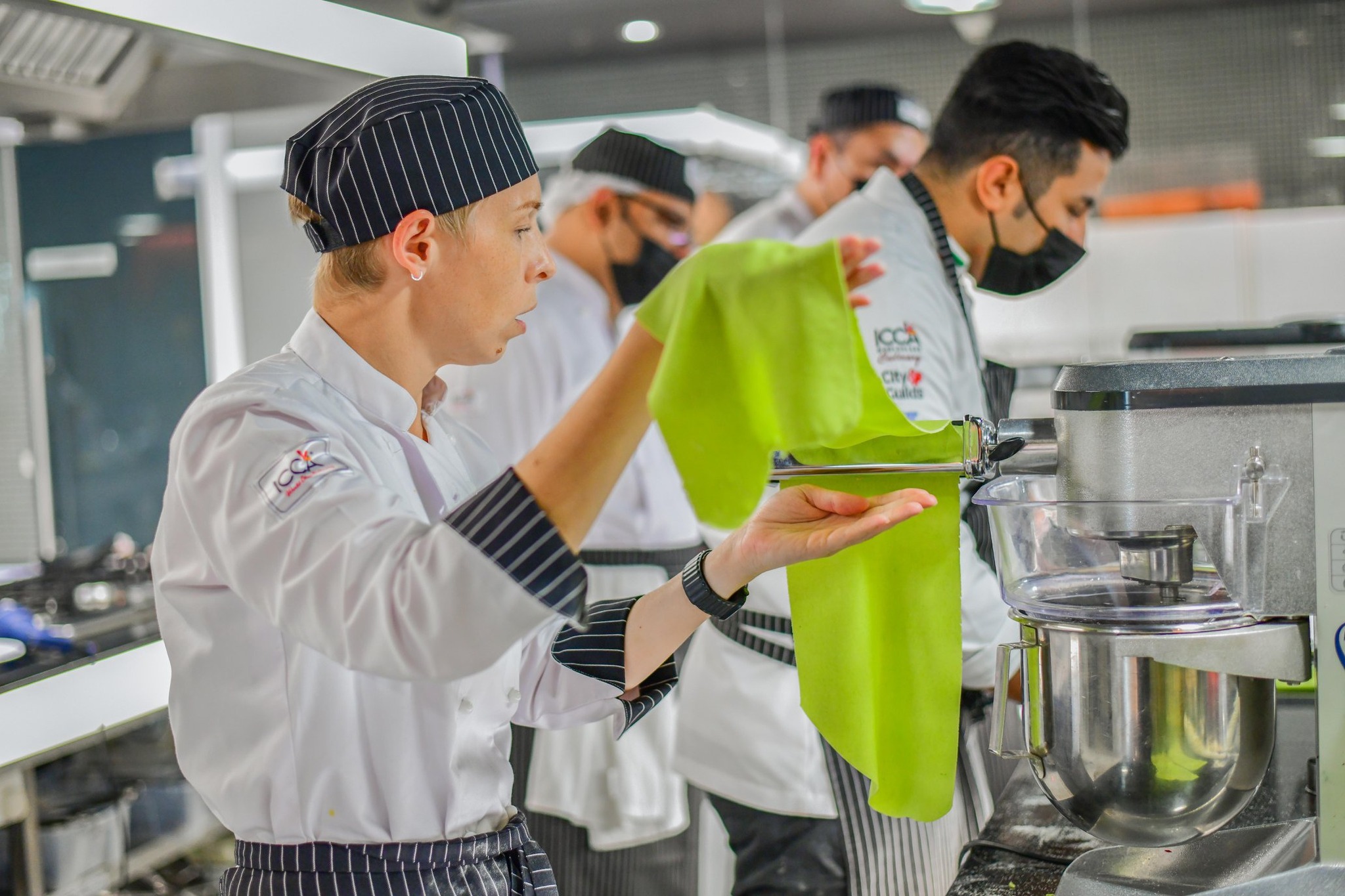
At institutions like ICCA Dubai, many programs are built around real kitchen environments, where students gain experience alongside professionals. You don’t wait until graduation to step into a kitchen. You’re already in it from day one.
And along the way, you’ll also be introduced to essential industry standards like food safety training in the UAE, a key requirement for working in professional kitchens across the UAE.
Tax-Free Earnings and a High Standard of Living
Another major advantage? The UAE’s 0% income tax.
For students who stay on to work, this means your earnings go further. Combine that with a safe, modern city, efficient public transport, and a high quality of life, and you begin to see why Dubai stands out.
Cost of Studying in Dubai Compared to Other Destinations
One of the biggest surprises for many students is that Dubai can be more affordable than expected.
Tuition Fees for Culinary and Hospitality Programmes
For culinary-focused Dubai courses, you’ll typically find:
- Professional diplomas: AED 20,000–60,000
- Advanced diplomas: AED 40,000–80,000
Compared to Western destinations, that’s often 30–40% more cost-effective, especially considering the hands-on training included.
Living Expenses and Budgeting Tips for Students
Monthly living costs can be managed with smart planning:
- Accommodation: AED 2,000–4,500
- Food: AED 800–1,500
- Transport: AED 300–500
Many students share housing and use student transport cards to keep expenses under control.
Student Visa and Entry Requirements for the UAE
If you’re planning on studying in UAE, the visa process is relatively straightforward and usually handled by your institution, making it one of the more streamlined student visa systems globally.
How to Apply for a Dubai Student Visa
The typical steps look like this:
- Secure your offer letter
- Submit visa application through the institution
- Complete medical test
- Apply for Emirates ID
- Final visa stamping
It’s a structured, efficient process that usually takes a few weeks once all documents are in place.
Medical Fitness Test and Emirates ID Requirements
Once you arrive in Dubai, obtaining your student residence visa involves a mandatory medical fitness test and biometric registration. This includes:
- A basic health screening (blood test and chest X-ray)
- Fingerprint and biometric scan for your Emirates ID
These steps are required by UAE authorities before your residence visa can be officially issued. While it’s a routine process, it’s important for students to be aware of it in advance to avoid surprises after arrival.
Health Insurance Requirements for International Students
Health insurance is a mandatory requirement for obtaining and maintaining a UAE student visa. Most institutions in Dubai either:
- Include health insurance as part of their student package, or
- Require students to purchase an approved insurance plan before visa processing
This ensures access to healthcare services during your stay and is a legal requirement set by UAE authorities.
Part-Time Work Rules for International Students
Students can work part-time with approval. In hospitality, this is especially useful, not just for income, but for gaining real-world experience while studying.
Dependent Visa Restrictions for Student Visa Holders
It’s important to note that a UAE student visa does not allow you to sponsor dependents. If you plan to move with family members, they would need to obtain their own residence visas through alternative routes, such as employment sponsorship.
For mature students or those relocating with families, this is an important factor to consider during planning.
Top Culinary Arts Programmes and Institutions in Dubai
Dubai offers a wide range of culinary education pathways — from short, intensive diplomas to longer academic routes.
For a global comparison, you can explore the best culinary schools in the world.
Professional Diploma Programsmes (3–6 Months)
These programmes are designed for speed and practicality.
If you’ve ever wondered how long is culinary school, Dubai offers one of the fastest pathways into the industry, without sacrificing quality.
Advanced Diploma and Degree Pathways (1–3 Years)
For those aiming at leadership or entrepreneurship, longer programmes offer deeper training in management and culinary innovation.
Why ICCA Dubai Stands Out for Culinary Education

Among all options, ICCA Dubai has built a strong reputation as a leading culinary training institute in the Middle East.
Industry-Embedded Curriculum and Expert Chef Instructors
At ICCA, the focus is simple: real skills for real kitchens.
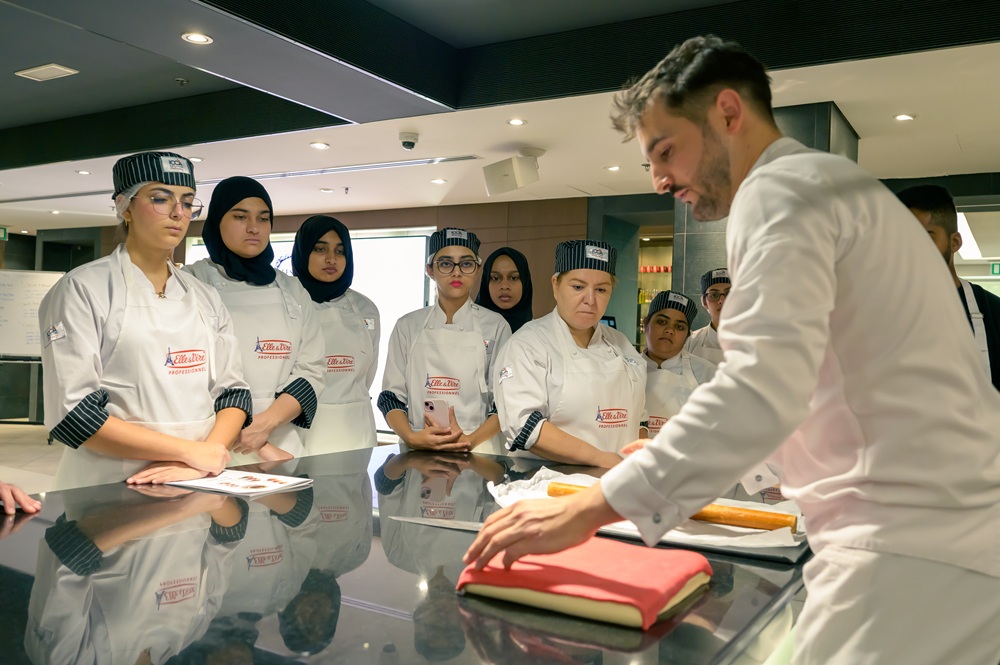
Students train hands-on in professional environments, guided by chefs with years of experience in global industry kitchens. The learning is immersive, practical, and aligned with industry expectations.
100% Work Placement Track Record
One of ICCA’s strongest advantages is its 100% work placement track record for committed students.
ICCA graduates move directly into roles across hotels, restaurants, and international hospitality brands.
Recognised Certifications and Career Support
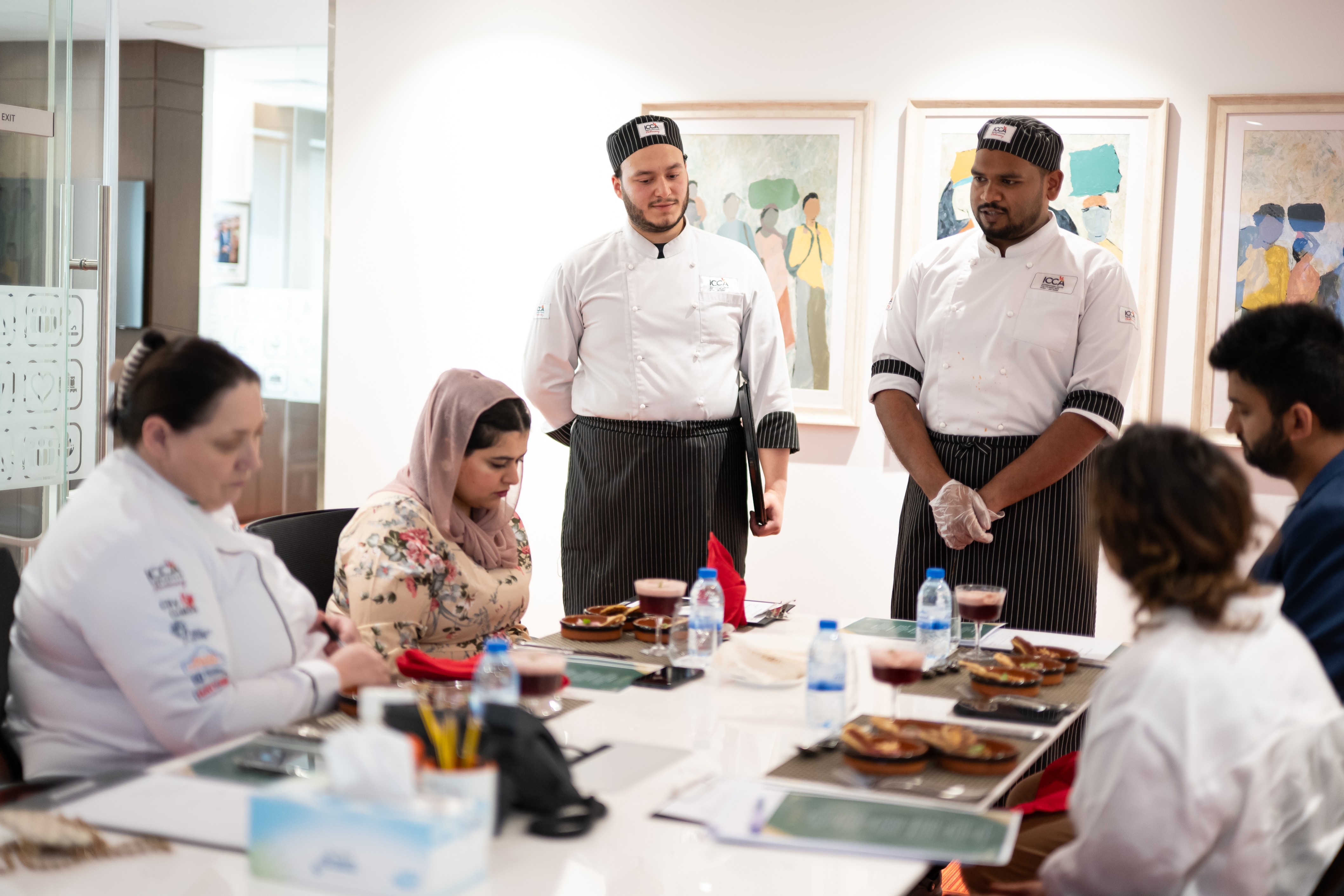
Students earn internationally recognised qualifications and receive structured career support, from CV building to interview preparation.
To explore more, visit the Professional Diploma in Culinary Arts.
Campus Life and Student Experience in Dubai
Studying in Dubai isn’t just about training — it’s about living in a city that constantly inspires you.
What a Typical Day Looks Like for a Culinary Student
At ICCA, a typical day is structured, but far from routine.
Training usually starts early, around 7:30 AM, and runs through to 5:30 PM. It’s a full, immersive day designed to mirror the pace and discipline of a real professional kitchen.
What makes it different from traditional education is the balance:
- Around 20% theory — understanding ingredients, techniques, and kitchen fundamentals
- Around 80% hands-on practice — actually cooking, preparing, plating, and working under real kitchen conditions
This means you’re not just learning recipes. You’re building muscle memory, speed, and confidence every single day.
Exploring Dubai Beyond the Classroom
Then comes the part many students don’t expect: industry exposure. For students enrolled in the ICCA’s Industry Work Experience Program (IWEP), learning doesn’t stop when classroom training ends. It evolves into real-world experience.
The IWEP is structured separately from the 620 hours of intensive on-campus training, and is designed to transition students from learning into working. Depending on performance and availability, students are placed into either a 6 to 12 months internships, or direct employment opportunities with industry partners.
In many cases, these experiences lead to long-term roles, making IWEP a critical bridge between training and career.
During this phase, Fridays and Saturdays often shift into real-world environments. Students may find themselves:
- Supporting large-scale events such as Taste of Dubai, Taste of Abu Dhabi, and F1 Abu Dhabi
- Participating in cultural festivals like the Sikka Art & Design Festival
- Assisting in professional hotel and restaurant kitchens
- Working alongside experienced chefs during live service
This is where everything comes together. You’re no longer just practicing techniques, but applying them under real pressure, with real teams, in real kitchens.
And that’s the difference.
In Dubai, the city itself becomes your extended campus, and through programs like IWEP, learning naturally evolves into working.
Career Prospects After Studying Culinary Arts in Dubai
Graduating in Dubai opens multiple career pathways.
In-Demand Culinary Roles in Dubai’s Job Market
For most students starting with little or no experience, the journey begins with one role: Commis Chef.
It’s the foundation of every professional kitchen, where you learn discipline, teamwork, and consistency under pressure. From there, progression is not based on age or time alone. It’s based on skill, attitude, and real kitchen performance.
.jpg)

.jpg)