This blog explores the key differences between diploma and degree pathways, helping you understand which route aligns best with your career goals. While degrees focus on academic depth and long-term theoretical learning, diplomas are designed for fast, hands-on, industry-ready training — making them especially relevant in fields like culinary arts and hospitality. With the UAE’s growing emphasis on skills-based hiring and frameworks like QFEmirates supporting vocational education, diploma programmes are increasingly recognised as a direct gateway into the workforce. Whether you're a student, career switcher, or international learner, the choice ultimately comes down to what you value more — speed, practical experience, and quicker ROI, or academic progression and broader theoretical knowledge.
What Is a Diploma?
In today’s fast-moving, skills-driven economy, education is no longer just about knowledge — it’s about capability.
This is where diploma programmes come in.
A diploma is a vocational, skill-based qualification designed to prepare individuals for specific industries through practical training and real-world application. Unlike traditional academic pathways, diploma programmes are rooted in Technical and Vocational Education and Training (TVET), a model focused on equipping learners with the competencies needed to perform in professional environments.
Instead of spending years building theoretical understanding first, diploma students are introduced early to the tools, techniques, and expectations of the industry itself.
Types of Diplomas (Certificate, Diploma, Advanced Diploma)
Within the TVET framework, diploma-level education is typically structured in tiers:
- Certificate: short-term, foundational skill development
- Diploma: comprehensive, job-ready training
- Advanced Diploma: deeper specialisation with operational or supervisory focus
Each level reflects a progression not just in knowledge, but in practical capability and industry readiness.
Who Should Consider a Diploma Programme?
In the UAE, the National Qualifications Framework (QFEmirates) — updated by Cabinet Resolution in 2024 — formally recognises and structures TVET qualifications across all levels. It is specifically designed to harmonise learning outcomes with the requirements of the labour market, and the UAE government is committed to developing a strong national TVET system that prioritises relevant skills aligned with new and emerging industry needs.
Diploma programmes are best suited for individuals who prioritise speed, relevance, and hands-on learning.
This includes:
- Students who want to enter the workforce quickly
- Career changers seeking a focused transition
- Learners who prefer practical, immersive training environments
In many industries, particularly hospitality, culinary arts, and technical trades, diploma pathways are increasingly seen as a direct route into employment, rather than an alternative to academic education.
What Is a Degree?
A degree follows a different philosophy. It builds knowledge through theory, research, and academic frameworks, often over several years. This approach is essential for fields that require analytical depth and structured academic progression. But the experience differs significantly.
A diploma places you inside the environment from day one.
A degree prepares you to understand it before entering.
Types of Degrees (Associate, Bachelor’s, Master’s)
- Associate Degree: a foundational academic qualification
- Bachelor’s Degree: standard undergraduate pathway
- Master’s Degree: advanced specialisation
Who Should Consider a Degree Programme?
One practical note for international professionals: in regulated sectors like healthcare, law, engineering, and education, a degree is not optional. In these fields, qualifications must meet specific UAE standards for professional licensing, and degree equivalency recognition from the Ministry of Education is a key part of the hiring process. For culinary and hospitality roles, this requirement does not apply — making KHDA-attested diplomas from accredited providers like ICCA Dubai a clean, friction-free path to employment.
A degree is suited for those who:
- Seek long-term academic development
- Aim for corporate or research-based roles
- Require broader international academic recognition
Key Differences Between a Diploma and a Degree
Understanding the difference between a diploma and a degree is helpful, but in reality, the decision becomes much clearer when viewed through the lens of a specific industry.
In fields like hospitality and culinary arts, where performance, speed, and consistency are measured daily, the distinction between academic knowledge and practical capability becomes far more visible.
So rather than looking at diplomas and degrees in abstract terms, it’s more useful to ask: How does each pathway prepare you for the realities of the industry you want to enter?
Duration of Study
Globally, diploma programs typically range from 6 months to 2 years.
However, at ICCA Dubai, programs are intentionally designed for intensive, outcome-based learning, with most professional diplomas completed within 3 to 9 months, enabling faster entry into the workforce.
If you’re exploring culinary pathways specifically, this guide on how long is culinary school offers useful context.
Cost and Financial Commitment
While diplomas are often positioned as lower-cost globally, the investment at ICCA reflects its world-class facilities, premium ingredients, and industry-integrated training model.
- ICCA diploma programs: typically AED 40,000+ for intensive training, increasing with extended pathways
- Degrees: often AED 100,000+ over multiple years
The difference is not just cost. It is speed to ROI and industry exposure.
Curriculum Depth and Focus
- Diploma: Practical, performance-driven, industry-focused
- Degree: Theoretical, research-based
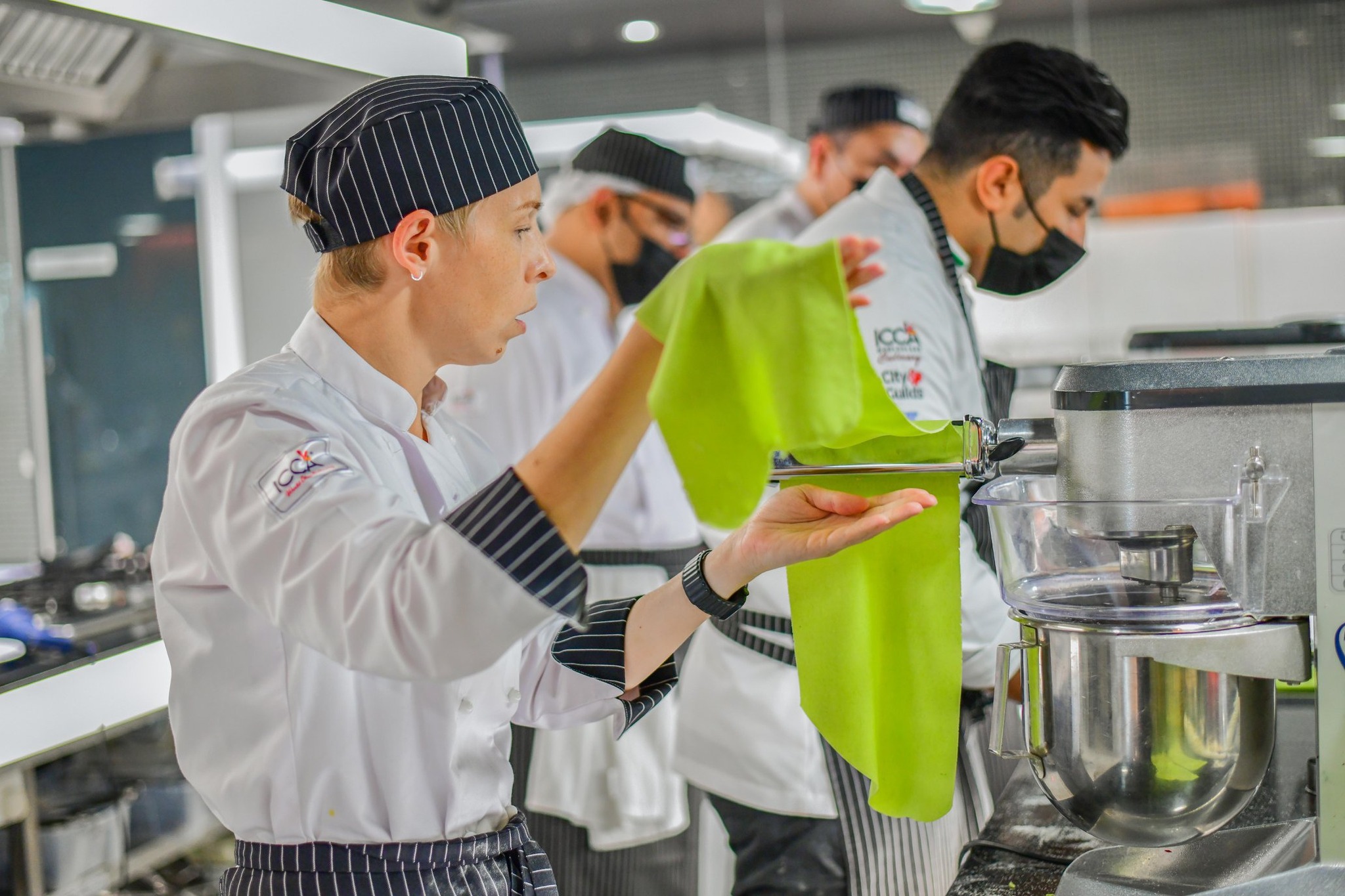
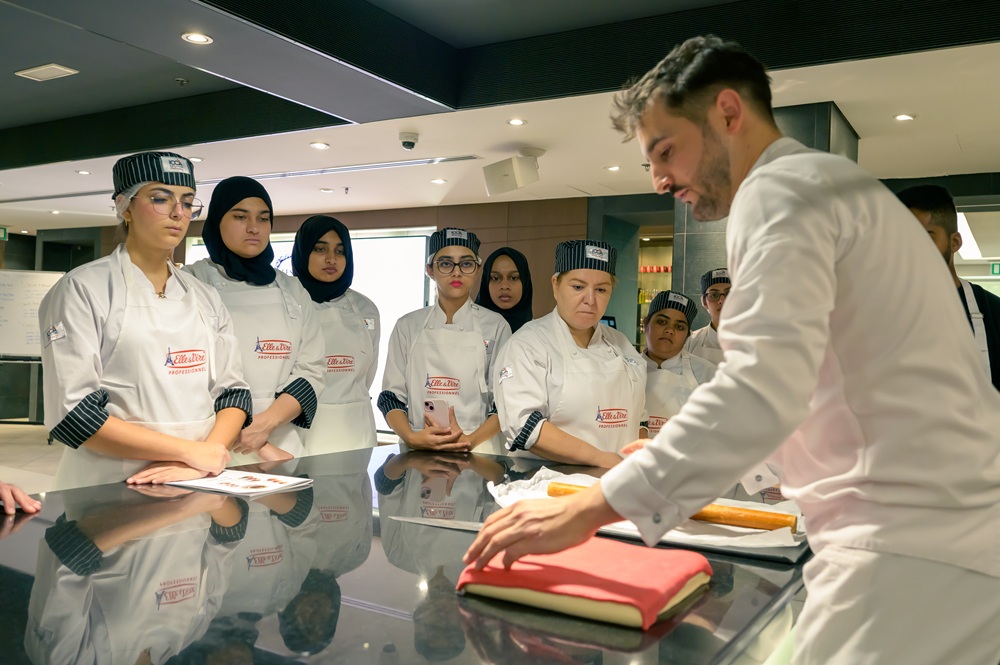
At ICCA, students train in professional kitchen environments, mirroring real-world hospitality operations from the start.
Entry Requirements
Diplomas offer greater accessibility, particularly for:
- International students
- Career changers
- Mature learners
Degrees typically follow stricter academic entry criteria.
Career Outcomes and Earning Potential
In hospitality, progression is driven by performance and consistency — and the data increasingly backs this up across all sectors. A 2023 LinkedIn report found that 75% of hiring managers now prioritise skills over formal degrees. In the UAE specifically, this shift is particularly visible. "A degree doesn't guarantee long-term earning power in the UAE, and increasingly not anywhere else," says Nevin Lewis, Chief Executive of Black & Grey HR Dubai. "Employers here prioritise practical execution, adaptability and how fast someone can learn and deliver." A growing number of UAE employers are shifting toward skills-based hiring, placing greater emphasis on practical abilities and demonstrable competencies rather than formal educational qualifications alone — a trend that is especially pronounced in hospitality, technology, and creative sectors. Many professionals move into leadership roles, including executive chef, through experience. You can explore this pathway further in executive chef roles and career paths.
International Recognition
Degree Attestation: A Practical Note for International Professionals
If you hold a foreign degree and plan to work in the UAE, attestation and equivalency recognition is a separate and important process. Obtaining a Certificate of Recognition from the Ministry of Education is crucial, especially for regulated industries — and the process involves document verification, biometric registration, and formal assessment. Diploma holders from KHDA-attested programs like ICCA Dubai do not face this challenge — their qualifications are already formally recognised within the UAE system from day one.
Diploma vs Degree: Side-by-Side Comparison Table
When Should You Choose a Diploma Over a Degree?
You Want to Enter the Workforce Quickly: In a competitive market like Dubai, entering the workforce earlier creates a compounding advantage. Two years of real kitchen experience while a degree student is still studying is not just financial — it's career capital that never stops paying.
You Prefer Hands-On, Practical Training: Diplomas are built around real execution and repetition. You develop muscle memory, discipline, speed, and instinct through doing — not reading about it. In hospitality and culinary arts, these are the qualities employers actually hire and promote for. For more on what this looks like in professional baking and production, see professional baking techniques and career growth.
You Are Switching Careers or Upskilling: If you already have professional experience in another field, a diploma gives you a focused, efficient pathway into a new industry without years of academic re-entry. Many of ICCA Dubai's students come from marketing, finance, engineering, and other careers entirely — and step into professional kitchens within months.
You Are an International Student Seeking Fast ROI: For students relocating specifically to study, a shorter program means less time and money spent before you begin earning in the UAE's tax-free environment — a consideration that makes speed to employment genuinely valuable.
You Are Switching Careers or Upskilling
Diplomas provide a focused, efficient pathway into a new field without requiring years of academic study.
When Should You Choose a Degree Over a Diploma?
You Want Broader Academic Knowledge
You Are Targeting Senior or Research-Based Roles
You Need International Credential Recognition
Diploma vs Degree in the UAE and Dubai
Qualifications Framework in the UAE (QFNet Levels)
The UAE's National Qualifications Framework (QFEmirates) formally recognises both diplomas and degrees, ensuring structured alignment across all education pathways. Updated by Cabinet Resolution in 2024, QFEmirates is designed to evaluate each individual's learning achievements and enable all members of society to pursue ongoing learning, training, and career progression — with a stated commitment to harmonising learning outcomes with the requirements of the labour market. Crucially, the UAE government treats TVET qualifications not as lesser alternatives to degrees, but as a distinct and valued pathway into the workforce.
Employer Expectations in Dubai’s Job Market
Dubai's hospitality sector values one thing above all: capability. The ability to perform, lead a station under pressure, maintain consistency across a full service, and build a team around you. These are the things that drive promotion — not the framing on a certificate. As Nevin Lewis of Black & Grey HR puts it: "Statistically, many graduates with traditionally high-potential degrees still earn less than peers from less obvious disciplines because value creation, resilience, and mindset beat paper credentials over time." This is why institutions like ICCA Dubai are recognised as leading TVET providers — bridging education directly with the real outcomes the industry rewards.
Degree Attestation in the UAE For international professionals bringing foreign degrees to the UAE, attestation and formal equivalency recognition is a mandatory separate process — involving document verification, Ministry of Education assessment, and registration. Diploma holders from KHDA-attested programs like ICCA Dubai bypass this entirely, as their qualifications are already formally recognised within the UAE system from the moment they graduate.
Visa and Licensing Considerations for Qualification Holders
Diplomas are widely accepted for technical and operational roles. Degrees may be required for certain regulated or managerial positions, depending on the sector.
Diploma vs Degree in Culinary Arts
To fully understand this comparison, it helps to first explore what are culinary arts and how the industry operates.
Why Culinary Professionals Often Choose Diplomas
Many of the best culinary schools in the world prioritize diploma-based training because the profession values execution, speed, and consistency over academic theory.
How ICCA Dubai’s Professional Diploma Prepares You for the Industry
ICCA Dubai is widely recognised as a leading culinary training centre, delivering award-winning, world-class culinary education. Its programs are designed to:
- Simulate real industry environments
- Build discipline, speed, precision, and consistency
- Provide direct exposure to hospitality networks
Explore the professional diploma in culinary arts to understand how ICCA prepares students for real careers.
Accreditation and Industry Recognition (City & Guilds, Worldchefs)
ICCA programs are aligned with globally recognised organisations such as City & Guilds and Worldchefs. This ensures graduates are equipped with qualifications that are both practical and internationally respected.
Can You Upgrade a Diploma to a Degree?
Credit Transfer and Top-Up Degree Pathways
In general, some diploma pathways allow progression into degree programs through credit transfer or top-up routes.
However, in highly specialised, industry-focused training environments like ICCA Dubai, the emphasis is placed on direct career entry and professional progression, rather than academic articulation.
Progression Routes Available from ICCA Dubai
ICCA’s model is built around career-first progression, including:
- Modular diploma advancement, from professional to advanced level
- Industry placement and exposure
- Continuous skill development
This reflects how careers in hospitality truly evolve, through experience, performance, and consistency over time.
Explore Your Next Step with ICCA Dubai
The decision is not about choosing the “better” qualification.
It is about choosing the right starting point. If you want speed, immersion, and real-world readiness, choose a diploma. If you want academic depth and long-term credential pathways, a degree is the right way to go.
In Dubai’s hospitality landscape, diplomas are increasingly seen not as an alternative, but as a direct gateway into the industry. At ICCA Dubai, education is designed to deliver more than knowledge. It delivers confidence, capability, and career readiness.
If you are ready to step into the culinary world with real skills and industry exposure, explore ICCA’s professional diploma programs and discover how quickly you can transition from learning to working.
.jpg)

.jpg)