Dubai has become one of the most attractive places in the region to launch a premium food brand, and chocolate is one of the strongest categories for entrepreneurs who want to enter a market shaped by luxury retail, gifting culture, tourism, and high consumer spending. The UAE chocolate market continues to show steady growth, which helps explain why founders are increasingly exploring artisanal chocolate, premium confectionery, and luxury gifting concepts in the emirate. Dubai offers a rare mix of affluent residents, international visitors, and brand-conscious consumers who are willing to pay more for quality, packaging, and experience.
Why Dubai Is the Ideal Location for Your Chocolate Business

One of Dubai’s biggest advantages is demand diversity. The city attracts millions of international visitors every year, giving food businesses access to both residents and tourists looking for premium retail experiences, gifts, and memorable local brands. Chocolate performs especially well in a city where presentation matters, hospitality is part of daily life, and seasonal gifting occasions such as Ramadan, Eid, weddings, and corporate events create repeated demand for beautifully packaged products. That makes Dubai appealing not only for boutique chocolate shops, but also for e-commerce sellers, corporate gifting suppliers, and manufacturers targeting hospitality and retail channels.
Understanding the UAE Chocolate Market Opportunity
The market opportunity is not limited to one customer type. Some buyers are looking for indulgent luxury chocolates, while others prefer artisanal handcrafted products. There is also growing interest in vegan, sugar-free, and health-conscious chocolate options that appeal to Dubai’s multicultural population. Consumer demand is shaped by local gifting traditions, international food trends, and a willingness to spend on premium products. For that reason, successful brands usually enter the market with a clear niche, whether that means elegant gift boxes, single-origin bars, locally inspired flavors, custom corporate hampers, or hotel amenity chocolates.
Choosing Your Chocolate Business Model in Dubai

Before launching, you need to choose the right business model. A retail boutique offers strong brand visibility and the chance to build a memorable in-store experience, but it also comes with higher rent, staffing, and fit-out costs. An e-commerce chocolate business can be more flexible and cost-efficient, especially if you combine direct website sales with third-party delivery platforms. A B2B gifting model can be highly profitable if you target corporate clients, events, weddings, and festive seasons. A manufacturing setup offers the greatest scalability, but it requires more investment, more approvals, and a more complex operational structure.
Mainland vs Free Zone: Selecting the Right Business Structure
One of the most important setup decisions is whether to establish your business on the mainland or in a free zone. A mainland company is often the better choice if you plan to sell directly into the local Dubai market through a shop, café, or broad commercial network. It offers flexibility in doing business across the UAE and can be a practical route for founders who want a visible local presence. A free zone setup may suit founders who prefer simplified setup options, warehouse-based operations, or international trade benefits. Your decision should depend on your business model, target customers, expansion plans, and budget.
Step-by-Step Licensing Process for Chocolate Businesses
Starting a chocolate business in Dubai involves more than registering a company name. You first need to reserve your trade name and choose the correct business activity. After that, you apply for initial approval, secure your legal structure, and complete the trade license process through the appropriate authority. Once the business entity is approved, food-related operations usually require additional steps tied to premises approval, food handling compliance, and product-related permissions depending on whether you are manufacturing, packaging, selling, or distributing chocolate products. The exact process may vary based on whether you operate from a shop, kitchen, factory, or warehouse.
Dubai Municipality Food Safety Requirements and HACCP Compliance

Food safety compliance is a critical part of launching any chocolate business in Dubai. If you are producing, storing, repacking, or selling edible products, your business must meet hygiene and food control standards. That includes having a compliant facility layout, staff training procedures, safe storage systems, and proper product labeling. HACCP principles are especially important because they demonstrate that your operation can identify food safety risks and control them properly. Chocolate may seem lower risk than some food categories, but temperature control, shelf life, contamination prevention, allergen management, and packaging accuracy still matter.
Equipment, Suppliers, and Production Setup Costs
.jpg)
Your startup budget will depend heavily on your production model. A small artisanal chocolate business may begin with tempering machines, moulds, cooling equipment, display units, and premium packaging materials. Larger operations will need more advanced systems for storage, volume production, packaging, and workflow efficiency. Ingredient sourcing also plays a major role in both product quality and pricing. Founders often choose premium couverture chocolate, specialty fillings, decorative materials, and custom boxes to create a stronger luxury identity. For an independent setup, startup costs can vary significantly depending on scale, but equipment, interiors, approvals, and working capital can quickly add up.
Marketing and Selling Your Dubai Chocolate Brand
Marketing is one of the biggest success factors in Dubai’s chocolate sector because customers do not just buy chocolate for taste alone. They also buy based on presentation, brand image, packaging, and gifting value. Social media is especially powerful for chocolate businesses because the category is highly visual and performs well on platforms like Instagram and TikTok. Premium chocolate brands can also grow through hotel partnerships, event collaborations, retail placements, festive campaigns, and corporate gifting programs. In Dubai, a strong visual identity and luxury positioning can help a smaller brand compete against more established players.
Building a Profitable Chocolate Business
Profitability depends on product mix, pricing strategy, cost control, and repeat demand. Premium chocolate can offer healthy margins, especially when packaging and brand perception allow you to command higher selling prices. However, profitability also depends on rent, labor, delivery costs, packaging expenses, spoilage control, and seasonal sales performance. Many successful chocolate businesses build multiple revenue streams rather than relying on walk-in sales alone. Retail, e-commerce, custom gifting, events, and corporate orders can work together to create stronger and more stable revenue throughout the year.
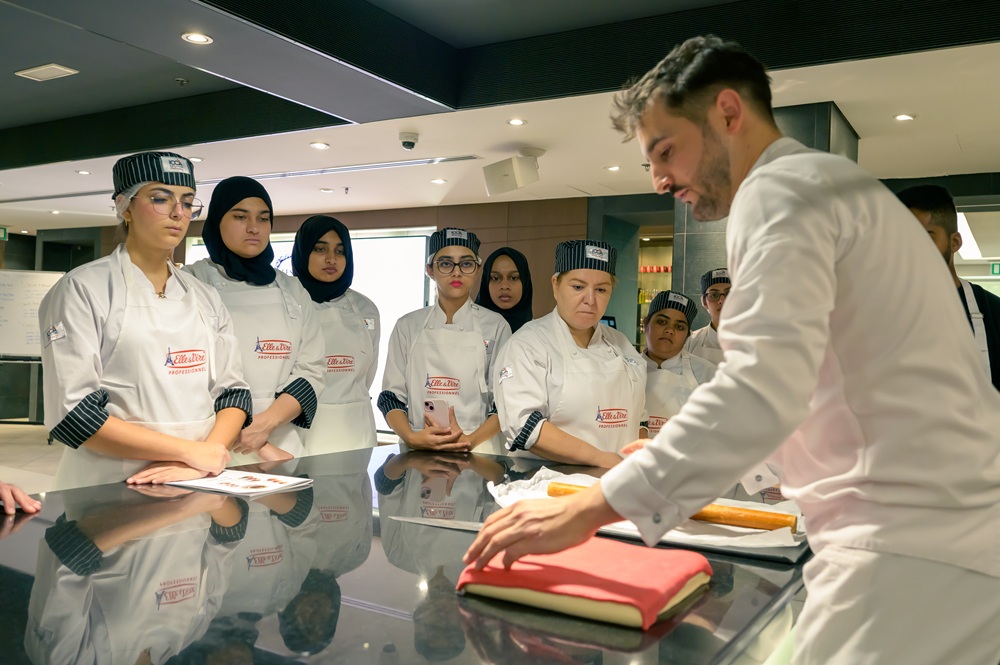
If you are planning to launch a chocolate business in Dubai, developing strong professional skills can give you a real advantage in a competitive market. ICCA offers industry-focused training designed to help aspiring entrepreneurs, pastry professionals, and future chocolatiers build practical expertise in chocolate work, artisanal production, presentation, and commercial kitchen standards.
Explore the Professional Diploma course, where you can build broader culinary and pastry knowledge, or choose the Artisanal Chocolate Program to focus on chocolate techniques, creativity, and hands-on production skills that align with today’s premium market. If you want to turn your passion for chocolate into a business opportunity, ICCA can help you build the skills behind the brand.

.jpg)