.jpg)
You’ve probably thought about it before. You walk into a busy restaurant in Dubai. Full tables, a diverse crowd, dishes flying out of the kitchen. And you wonder: Could I build something like this? The truth is, many people do. According to The Associated Press, Dubai is home to 13,000+ dining establishments, according to industry reports and official data, and the number continues to grow each year. From fine dining concepts featured in the Michelin Guide Dubai to casual cafés and delivery-first brands, the city has become one of the world’s most dynamic culinary markets. But starting a restaurant here isn’t just about a great idea or a strong menu.It starts with understanding what culinary arts really mean, from kitchen operations to how food businesses actually run. Moreover, it’s about understanding the system. Licenses, regulations, costs, and operations. And knowing how to navigate them efficiently. If you’re exploring, ‘how to Start a Restaurant in Dubai’, this guide walks you through exactly what matters: from choosing your setup structure to securing approvals, building your team, and setting your concept up for long-term success.
Understanding Dubai's Restaurant Market Opportunity
.jpg)
Dubai isn’t just another food city. It’s a global culinary stage.
With over 200 nationalities living and visiting the city, as highlighted by Dubai’s official tourism platform Visit Dubai, demand for international cuisine is constant.
One day it’s authentic Japanese omakase, the next it’s modern Middle Eastern fusion, and the next it’s a fast-growing plant-based concept.
That diversity creates opportunity.
Organizations like Dubai Department of Economy & Tourism continue to position the city as a global destination, bringing in millions of visitors each year. And those visitors eat out a lot.
What makes Dubai unique is that you’re not just opening a restaurant for local residents, but for a constantly rotating global audience driven by tourism and expatriate communities.
Market Segments You Can Enter
- Fine dining (high investment, high branding)
- Casual dining (family-focused, scalable)
- Fast casual (growing segment in Dubai)
- Cloud kitchens / delivery-first concepts
Each segment has different cost structures and risk profiles, but all operate within the same fast-moving food and beverage sector. In a competitive market like this, success often starts with defining a clear restaurant concept that aligns with your target audience.
If your concept is clear and your execution is strong, Dubai rewards it quickly.
If not, the competition will quickly capture that opportunity.
Choosing Between Mainland and Free Zone Setup
This is one of the first strategic decisions you’ll make, and it affects almost everything that comes after.
At a simple level:
- Mainland = more flexibility
- Free Zone = more ownership control
Mainland Setup
Registering through the Dubai Economic Department allows you to:
- Operate anywhere in Dubai
- Serve customers directly
- Open physical restaurants in prime locations
Recent reforms have made 100% foreign ownership possible in many cases, removing the traditional need for a local sponsor in certain business activities.
Free Zone Setup
Free zones like Dubai Multi Commodities Centre (DMCC) or Dubai Airport Free Zone (DAFZ) offer:
- 100% foreign ownership
- Simplified setup processes
- Lower administrative complexity
But there’s a limitation: you typically cannot operate a retail restaurant directly serving the public outside the zone
So Which One Should You Choose?
If your goal is to open a physical restaurant in Dubai, the mainland is usually the right path.
If you’re building a food brand, trading company, or cloud kitchen strategy, a free zone may make sense.
This decision affects your license structure, costs, and scalability, so it’s worth thinking through carefully at the outset.
Complete Cost Breakdown for Restaurant Setup
Let’s talk numbers, as understanding the investment required helps set realistic expectations from the beginning.
Opening a restaurant in Dubai typically requires an investment of between AED 500,000 to AED 1.5 million+. And sometimes more, depending on your concept and location.
Where That Money Goes
What Drives Your Cost the Most?
- Location (Downtown vs emerging areas)
- Restaurant size
- Interior design concept
- Equipment quality
- Staffing level
Areas like Downtown Dubai or Dubai Marina can significantly increase your upfront costs, while newer districts may offer more flexibility.
From experience, one of the biggest mistakes first-time restaurant owners make is underestimating working capital - the money you need to survive the first 6–12 months.
Obtaining Your Trade License from DED
Once your concept is clear and your structure is decided, the next step is making it official.
In Dubai, that starts with getting a trade license through the Dubai Economic Department
At first, the process might feel administrative, but once you understand the steps, it’s actually quite structured.
The Basic Process
Here’s what typically happens:
- Reserve Your Trade Name. You choose a business name and register it. It needs to follow UAE naming guidelines (no offensive terms, no duplication, etc.).
- Initial Approval. This confirms that the government has no objection to your business activity.
- Define Your Business Activity. For restaurants, this usually falls under food and beverage operations, but you need to be precise (restaurant, cafeteria, cloud kitchen, etc.).
- Submit Required Documents. This usually includes:
- Passport copies of owners
- Business plan (recommended, sometimes required)
- Lease agreement or Ejari
- NOC (if applicable)
- Final License Issuance. Once everything is approved, your trade license is issued.
Timeline & Cost
• Processing time: typically 2–4 weeks
• Cost: approximately AED 10,000–15,000
The trade license allows you to operate a business, but it does NOT allow you to serve food yet. That’s where the next step comes in.
Securing Food License from Dubai Municipality
This is where things become more technical and more important.
To legally operate a restaurant, you must obtain a food license from Dubai Municipality, specifically through its Food Safety Department. And unlike the trade license, this step is heavily focused on compliance and safety.
What You Need to Prepare
Before approval, you’ll need to submit:
- Detailed kitchen layout plans
- Equipment placement drawings
- Workflow design (how food moves through the space)
- Approval from a registered engineering consultant
Typically, three copies of the design plans are required.
What Inspectors Look For
The municipality doesn’t just review paperwork. They inspect your space.
They will check:
- Hygiene standards
- Ventilation systems
- Food preparation areas
- Storage facilities
- Equipment specifications
Everything must align with Dubai’s food code compliance standards, which are among the strictest in the region.
Why This Step Matters
This is not just a regulatory hurdle. It’s what ensures food safety, operational efficiency, and long-term credibility
In Dubai’s competitive market, one compliance issue can damage your reputation quickly. Getting this right from the start is critical.
Meeting Physical Infrastructure Requirements
Before your restaurant opens its doors, your space needs to meet very specific physical standards. And these aren’t flexible.
Dubai has clear requirements to ensure safety, hygiene, and operational flow. And they are strictly enforced.
Minimum Space Requirements
Key Infrastructure Requirements
Your kitchen and restaurant must include:
- Fireproof, washable walls
- Proper ventilation systems
- Adequate drainage (pipes positioned correctly)
- Separate preparation areas
- Dedicated basins for:
- Vegetables
- Meat
- Utensils
Authorities like Dubai Civil Defence and municipal planning departments are involved in approvals.
What Most People Underestimate
It’s not just about space—it’s about flow.
- How staff move
- How food moves
- How waste is handled
A poorly designed kitchen slows everything down. A well-designed one increases efficiency immediately.
Strategic Location Selection for Maximum Success

You can have a great concept, a strong menu, and a well-trained team. But if your location is wrong, everything becomes harder.
In Dubai, location is not just about rent. It’s about who walks past your door every day.
High-Impact Areas in Dubai
- Jumeirah → Upscale dining, lifestyle-driven audience
- Business Bay → Office crowd, weekday traffic
- JLT (Jumeirah Lake Towers) → Affordable concepts, residential density
- Mall of the Emirates / Dubai Mall → Tourist-heavy, high footfall
Developers like Emaar Properties and Nakheel shape many of these high-traffic zones.
What You Should Really Think About
Instead of asking: “Is this a popular area?” Ask: “Does this location match my concept and target audience?”
Because a premium concept in a budget area struggles, while a casual concept in a luxury mall may fail on cost.
Location and concept must align.
Building Your Restaurant Team and Operations
Once your licenses and location are secured, your focus shifts to people.
And in the restaurant business, your team is everything.
Where to Start
Your first key hire should be Head Chef. They define your menu, kitchen standards and consistency. This is also where menu planning becomes critical, as consistency and execution directly impact both operations and customer retention.
Staffing Structure
Typical roles include:
- Head Chef / Executive Chef
- Sous Chef
- Line cooks
- Service staff
- Restaurant manager
You’ll also need to manage visa sponsorship, which is handled through systems linked to the Ministry of Human Resources and Emiratisation (MOHRE).
Training Requirements
Dubai also requires a certified Person in Charge (PIC) for food safety, trained through municipality-approved programs.
This ensures someone in your operation is always responsible for compliance and hygiene standards.
Implementing Food Safety and Quality Systems
This is where professional restaurants separate themselves from average ones.
In Dubai, food safety is not optional. It follows globally recognized standards such as HACCP International and ISO 22000.
What This Looks Like in Practice
You’ll need to implement:
- Hazard analysis (identify risks)
- Critical control points (where issues can occur)
- Monitoring systems
- Documentation and record keeping
Restaurants in Dubai are also encouraged to use digital systems such as FoodWatch Connect to monitor compliance, streamline reporting, and maintain food safety standards.
Why This Matters
- Food safety is directly tied to:
- Regulatory approval
- Brand reputation
In a city like Dubai, where competition is high and standards are strict, consistency and safety are what keep a restaurant running long-term.
By now, one thing becomes clear.
Starting a restaurant in Dubai isn’t just about a great idea—it’s about how well that idea is executed.
From licensing and setup to team, location, and operations, every decision plays a role in whether a concept survives or scales.
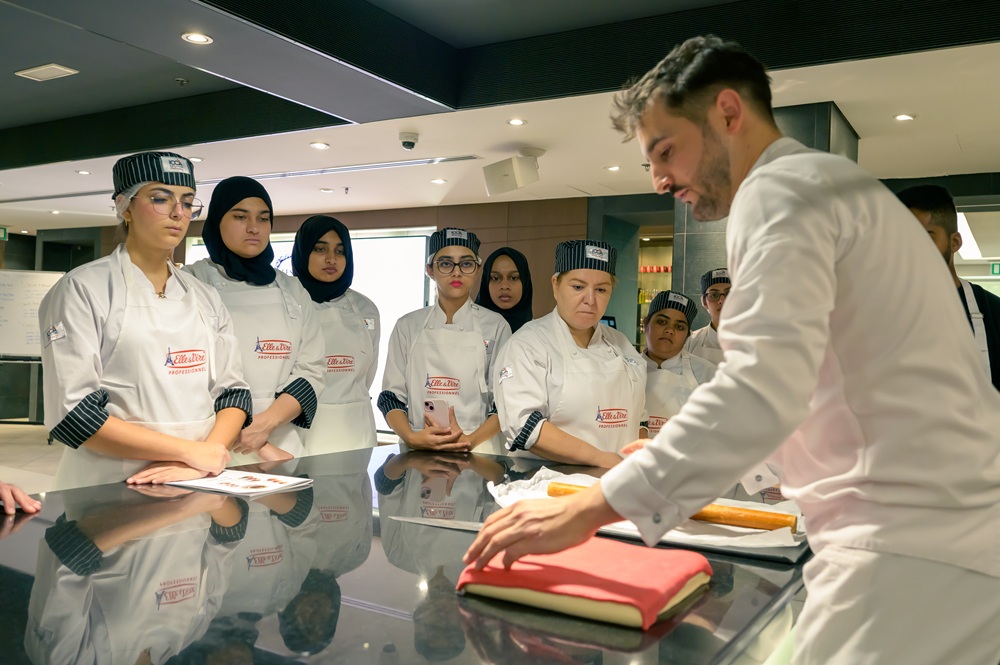
For those looking to take this further, structured training can provide a strong foundation. ICCA Dubai offers advanced programs designed for aspiring restaurateurs, combining culinary expertise with practical knowledge in kitchen management, menu development, and business operations.
In particular, the Advanced Diploma in Culinary Arts and Supervision equips individuals with the skills needed not only to work in professional kitchens but also to plan, manage, and launch their own food concepts in markets like the UAE.

.jpg)