These chef interview questions and answers prepare you for kitchen interviews across Dubai and the UAE, where landing a chef job takes more than cooking talent alone.
Essential Pre-Interview Preparation
.jpg)
Before you step into any chef interview, you need to understand the restaurant or hotel you are applying to. Study its cuisine, menu pricing, guest profile, plating style, and service model. A fine dining restaurant will assess you differently from a high-volume hotel buffet or a casual concept. In the UAE, employers also expect awareness of multicultural guest preferences and operational standards that support food safety and compliance. Reviewing the restaurant’s identity in advance allows you to tailor your answers and show that you are serious about the role rather than sending generic applications.
Your documents matter too. Bring an updated CV, a simple but polished culinary portfolio, copies of food safety certifications, and any work eligibility documents relevant to UAE employment. If you have completed HACCP, food hygiene, or kitchen safety training, make that easy to see. Employers in the UAE operate in a regulated food environment, so candidates who present themselves as organized, compliant, and ready to work immediately often stand out. The UAE’s official framework places strong emphasis on food safety standards and private-sector employment regulation, which makes preparation even more important for hospitality candidates.
Personal Background and Motivation Questions
These chef interview questions explore who you are and why you cook, the opening any interviewer uses to set the tone.
1. Tell Me About Yourself and Your Culinary Journey
This is usually the first question, and it sets the tone for the rest of the interview. A strong answer should briefly cover your experience, your culinary strengths, and the direction you want your career to take. Instead of listing every role you have ever held, focus on the experience most relevant to the position.
A good answer could sound like this: “I am a chef with six years of experience across casual dining and hotel kitchens, with strong exposure to hot section operations, mise en place discipline, and high-volume service. Over time, I developed a strong interest in Mediterranean and Middle Eastern flavors, and I enjoy kitchens where consistency, teamwork, and guest satisfaction are a top priority. I am now looking for a role in the UAE where I can contribute to a professional brigade and continue growing under strong culinary leadership.”
2. Why Do You Want to Work in Dubai or the UAE?
Interviewers ask this to see whether you understand the market or are simply chasing a job abroad. Your answer should show ambition, awareness, and respect for the region’s hospitality standards.
A strong response might be: “I want to work in Dubai because it is one of the most dynamic hospitality markets in the world. It offers exposure to international guests, multicultural kitchen teams, and high operational standards. I also value the opportunity to work in a market where there is real growth in food concepts and room to build a long-term culinary career.” This answer works because it connects your personal goals to the realities of the UAE hospitality sector, which continues to attract international culinary talent and investment.
Technical Culinary Skills and Knowledge
3. Describe Your Cooking Style and Signature Dishes
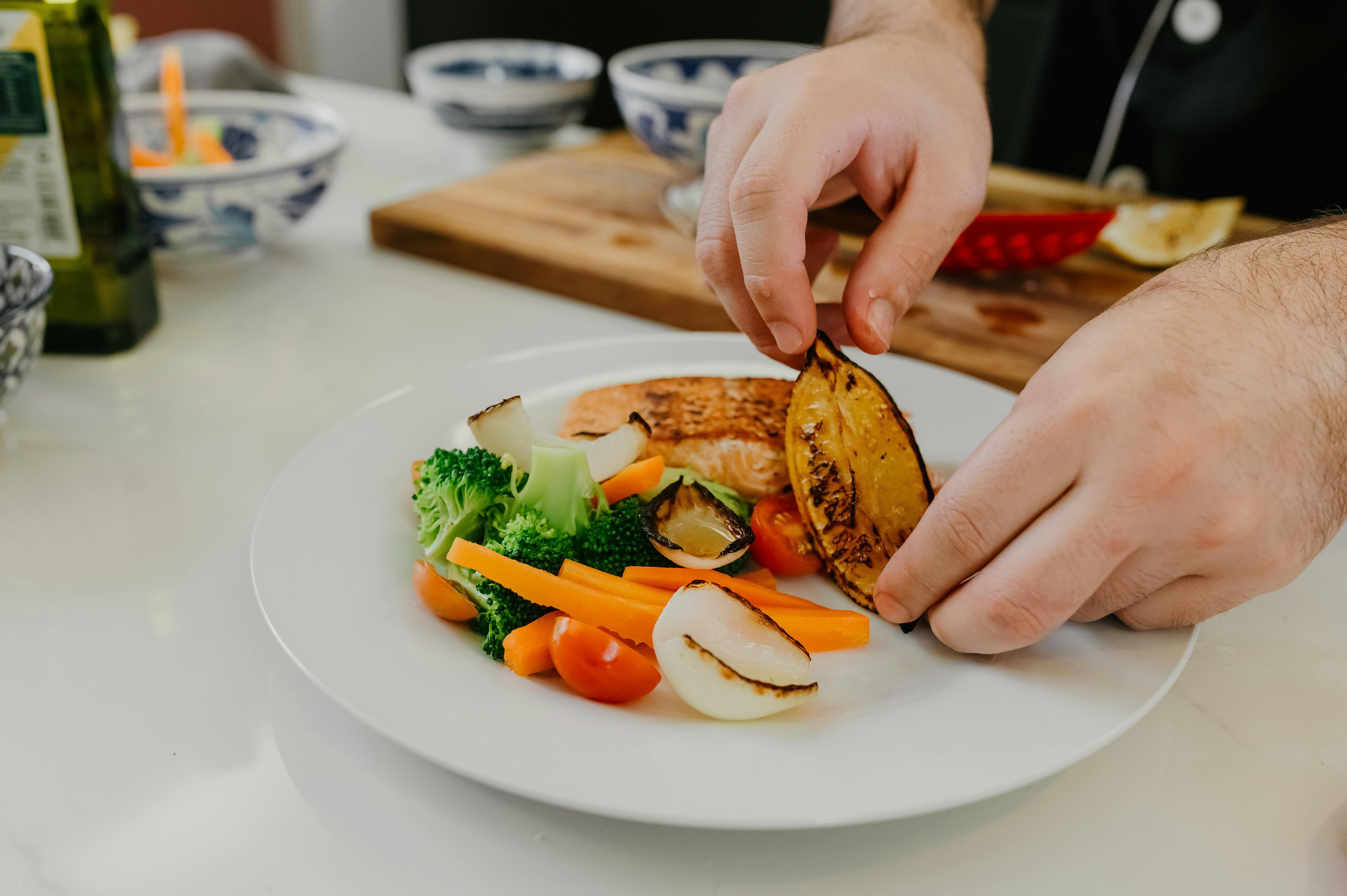
This is your chance to show identity without sounding rigid. Employers want confidence, but they also want flexibility. A good answer explains your culinary point of view while proving that you can adapt to the brand’s concept.
You could say: “My cooking style is rooted in clean flavors, disciplined preparation, and consistency. I enjoy dishes that balance technique with comfort and strong presentation. Some of my signature work includes slow-braised lamb, seafood risotto, and modern grilled dishes with fresh sauces and seasonal vegetables. At the same time, I always adapt my cooking style to the restaurant’s concept, guest expectations, and operational needs.”
4. What Are the Five Mother Sauces?

This is a classic technical question. The correct answer is béchamel, velouté, espagnole, tomato, and hollandaise. But to make your answer stronger, go one step further and explain how you use them in practice.
For example: “The five mother sauces are béchamel, velouté, espagnole, tomato, and hollandaise. They are fundamental because they form the base of many derivative sauces used across classical and modern kitchens. Understanding them shows that a chef knows not just recipes, but technique and structure.”
5. How Do You Maintain Consistency During Busy Service?
Consistency is one of the most important qualities in a professional chef. Employers want to know whether you can repeat quality under pressure, not just cook well when it is quiet.
A strong answer would be: “I maintain consistency through preparation, station organization, clear communication, and strict attention to recipes and portion standards. Before service, I make sure mise en place is complete, labels are accurate, and backup stock is ready. During service, I stay focused on timing, plating, and quality control so that every dish leaving my section meets the same standard.”
Food Safety and HACCP Compliance
6. Explain Your Understanding of HACCP Principles
In the UAE, this question is highly relevant because food businesses are expected to operate under structured food safety systems. Your answer should show that you understand both the purpose and practical application of HACCP. Official UAE guidance emphasizes food safety standards that protect public health, and food establishments are expected to maintain safe procedures and compliance systems.
A solid answer would be: “HACCP is a preventive food safety system used to identify, evaluate, and control hazards in food production. My understanding includes the seven principles, such as hazard analysis, identifying critical control points, setting limits, monitoring procedures, corrective actions, verification, and record keeping. In the kitchen, this means controlling temperatures, preventing cross-contamination, handling storage properly, and documenting checks consistently.”
7. How Do You Prevent Cross-Contamination?
This question tests practical discipline. Interviewers want to hear systems, not vague statements.
You could answer: “I prevent cross-contamination by separating raw and cooked items, using color-coded chopping boards and utensils, storing products correctly in chillers, labeling everything clearly, and enforcing handwashing at every stage of preparation. I also monitor sanitizing practices and ensure team members understand the difference between cleaning and disinfecting. In busy kitchens, these small habits make the biggest difference.”
8. What Is Your Approach to Temperature Control and Food Storage?
A good answer here shows that you take kitchen safety seriously and understand the operational side of compliance.
For example: “My approach is based on receiving, storing, preparing, and serving food within safe temperature ranges. I check deliveries on arrival, rotate stock using FIFO, keep raw proteins stored below ready-to-eat food, and monitor refrigerators, freezers, and hot holding temperatures regularly. I also make sure labels, use-by dates, and storage containers are correct so the whole team can work safely and efficiently.”
Menu Development and Cost Control
9. How Do You Approach Menu Development?
Even junior chefs may be asked this to understand how they think. The best answer balances creativity with commercial awareness.
A strong response could be: “I approach menu development by first understanding the concept, guest preferences, ingredient availability, and target food cost. Then I focus on creating dishes that are flavorful, operationally practical, and visually appealing. I also consider dietary needs, seasonality, prep time, and waste control so the menu works both creatively and financially.”
10. How Do You Control Food Costs?
Cost control is a major hiring factor in the UAE hospitality sector, especially in high-volume operations. Employers want chefs who think beyond cooking.
You might say: “I control food costs through proper ordering, portion control, low-waste prep practices, accurate recipe costing, stock rotation, and monitoring variances. I also work closely with purchasing and suppliers where needed, and I train staff to understand that over-portioning, poor storage, and bad prep habits all affect profitability. For me, food cost control is a daily discipline, not just a monthly report.”
11. How Do You Reduce Kitchen Waste Without Lowering Quality?
This question gives you an opportunity to sound both practical and modern.
A strong answer is: “I reduce kitchen waste by planning prep carefully, using trim creatively where appropriate, monitoring demand patterns, rotating stock properly, and training the team not to overproduce. Waste reduction should never lower food quality. Instead, it should improve efficiency by making the kitchen more intentional and organized.”
Leadership and Team Management
12. How Do You Motivate and Manage Kitchen Staff?
Whether you are applying for a senior or mid-level role, this question helps interviewers assess your leadership style. The strongest answers combine standards with respect.
You could answer: “I motivate kitchen staff through clear communication, consistency, and leading by example. I believe a good kitchen leader sets standards, supports training, corrects mistakes professionally, and keeps the team focused during pressure. I also think respect matters. In a multicultural kitchen, people perform better when expectations are clear and the environment is disciplined but fair.”
13. Describe a Time You Handled Conflict in the Kitchen
This is where the STAR method works well. Describe the situation, task, action, and result clearly.
For example: “During a busy weekend service, two team members in my section had a disagreement over prep responsibilities, which started affecting communication. My task was to keep service moving while resolving the issue professionally. I separated the immediate tasks, reassigned responsibilities for the shift, and spoke to both team members after service to clarify expectations. As a result, service continued smoothly, and we introduced a clearer prep checklist that reduced confusion on future shifts.”
Behavioral Questions Using the STAR Method
14. Tell Me About a Time You Dealt With Equipment Failure During Service
This question measures calmness and problem-solving.
A good answer could be: “During dinner service, one of our key ovens stopped working while several orders were already in process. I quickly adjusted the firing sequence, coordinated with the grill and stove sections, and informed the pass so timing could be managed properly. I also simplified one garnish temporarily to keep output moving without affecting the guest experience. We completed service with minimal delay, and afterward I helped review a backup equipment plan for future shifts.”
15. Describe a Successful Initiative You Implemented in a Kitchen
This question is perfect for showing ownership and impact.
You might respond: “In one of my previous kitchens, I noticed recurring waste from over-prepped garnish and sauces during weekday lunch service. I tracked usage patterns for two weeks and suggested smaller batch prep with one scheduled replenishment window. After implementing the system, we reduced waste, improved freshness, and made prep more accurate. It also helped junior cooks understand production planning better.”
Position-Specific Questions by Level
16. What Makes You a Strong Fit for a Commis Chef or Chef de Partie Role?
For junior and mid-level roles, employers want discipline, speed, and coachability. A strong answer focuses on reliability and willingness to learn.
You could say: “I am a strong fit because I work well within systems, respect kitchen hierarchy, and stay focused on consistency. I take feedback seriously, keep my station organized, and understand the importance of timing and teamwork. I am confident in my technical base and always ready to keep learning.”
17. How Would You Succeed as a Sous Chef or Executive Chef?
Senior-level candidates need to think strategically. Your answer should reflect leadership, numbers, and standards.
A good response is: “To succeed in a senior role, I focus on three areas: strong kitchen systems, team development, and commercial performance. That means maintaining standards in food quality and hygiene, building a reliable team through training and accountability, and keeping close control over food cost, scheduling, waste, and menu performance. I see leadership as both operational and strategic.”
Cultural Considerations and Regional Requirements
18. How Would You Work Effectively in a Multicultural UAE Kitchen?
This is a very important question in Dubai and across the UAE, where kitchen brigades often include staff from many nationalities and backgrounds. A strong answer should emphasize communication, professionalism, and respect.
For example: “I work effectively in multicultural teams by keeping communication clear, respectful, and task-focused. I understand that people bring different backgrounds and working styles, so I try to lead with professionalism and patience while keeping standards consistent. In the UAE, that mindset is especially important because teamwork depends on mutual respect across cultures.”
19. What Do You Know About Halal Awareness and Ramadan Operations?
In the UAE, culinary professionals are expected to understand local cultural and religious context. Official UAE guidance highlights halal systems and Ramadan observance as part of the broader operating environment for food businesses and society.
A strong answer could be: “I understand that halal awareness is essential in the UAE, especially when handling sourcing, storage, preparation, and cross-contact controls in relevant operations. I also know that Ramadan can affect service patterns, menu timing, and guest demand, so kitchens need to be prepared operationally and culturally. My approach is always to respect the restaurant’s standards and local expectations while delivering smooth service.”
Questions to Ask Your Interviewer
20. What Should You Ask at the End of the Interview?
The final stage of the interview is your opportunity to show maturity and genuine interest. Instead of asking only about salary, ask questions that reflect long-term thinking. You might ask how the kitchen brigade is structured, what success looks like in the first three months, whether menu development input is encouraged, how food cost is tracked, or what training opportunities are available. For senior roles, you can also ask about supplier relationships, kitchen challenges, and team retention.
These questions signal that you are already thinking like a professional team member rather than only a job seeker. In a competitive market, that can leave a strong final impression.
Practical Assessments and Salary Negotiations
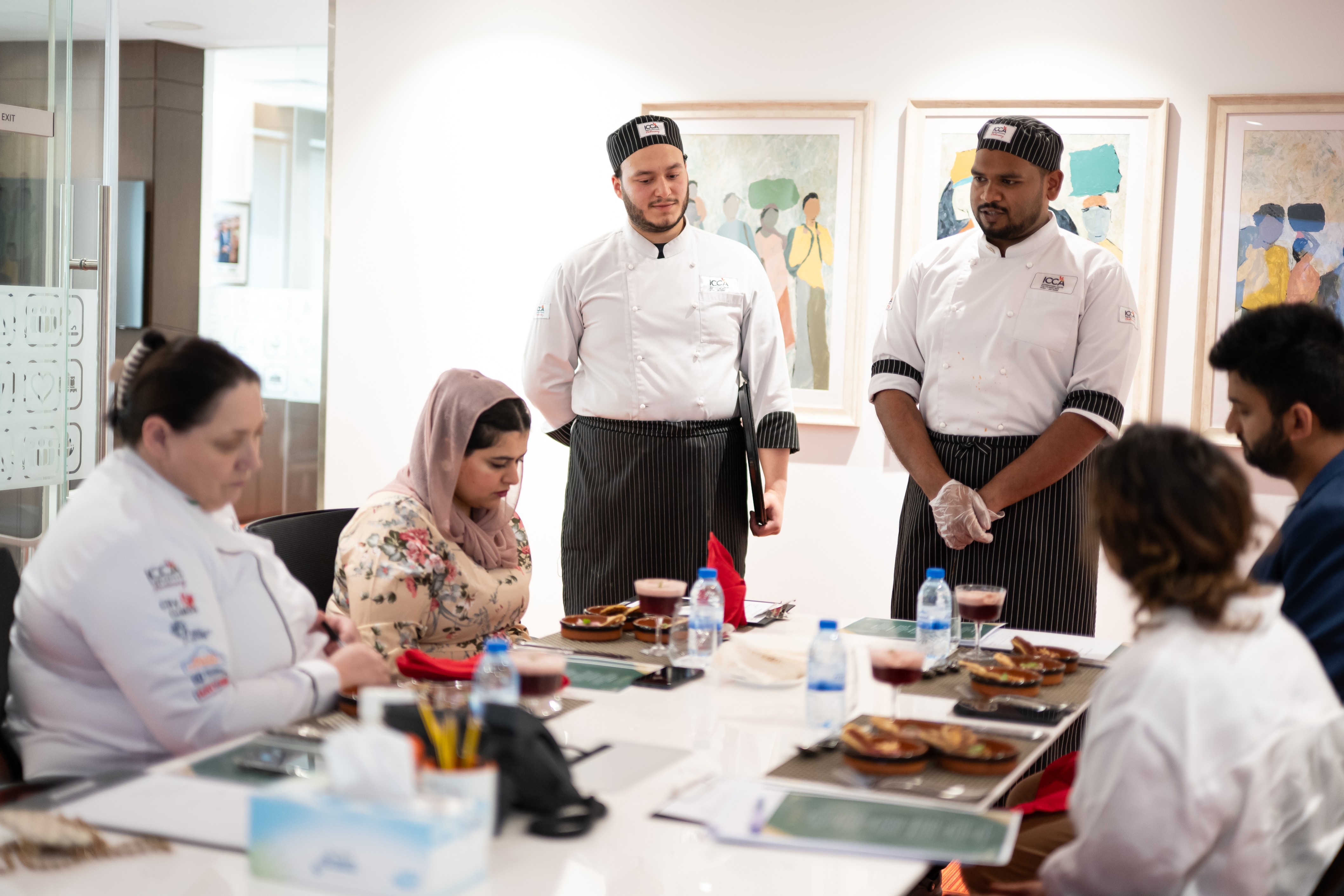
Many chef interviews in the UAE include a trial, cooking test, or live practical assessment. You may be asked to prepare a signature dish, complete a mystery basket challenge, or work under observation during a partial service window. The key is not to overcomplicate your cooking. Employers are usually looking at organization, hygiene, timing, seasoning, technique, and the way you handle pressure. Clean execution often makes a stronger impression than trying to be overly creative.
When salary comes up, be professional and informed. UAE compensation packages may include basic salary, service charge, accommodation or housing allowance, transport, meals on duty, medical coverage, flight benefits, and visa support depending on the employer and role. Since private-sector employment in the UAE is governed by formal labor regulation, candidates should review the full package rather than looking only at the headline salary number.
Chef de Partie (CDP) Interview Questions
Chef de partie interviews focus on station ownership: can you run a section cleanly, hold quality through a rush, and brief a commis under you. The questions below are the CDP-specific angle that hiring chefs in the UAE ask most often.
What Does a Chef de Partie Do, and Can You Run a Station Alone?
A chef de partie runs one station of the kitchen, the grill, the larder, the pastry section, and owns its mise en place, quality, and timing during service. A strong answer names the station you know best and walks through a real service: how you set up, how you held quality at peak covers, and how you coordinated with the pass. Interviewers want proof you can take a section off the sous chef's plate, so cite a specific shift where you ran your station with minimal supervision.
How Do You Manage a Commis and Keep Your Section to Standard?
CDP interviews test early leadership because the role sits between the commis chefs and the sous chef. Describe how you brief a commis at the start of service, check their prep against the recipe and portion standards, and correct mistakes without slowing the line. A good answer shows you can delegate prep, spot a problem before it reaches the pass, and keep your section's plates consistent even when you are training someone new. That balance of speed, standards, and teaching is what separates a reliable CDP from a fast commis.
Red Flags and Industry Variations
Not every kitchen is worth joining. During the interview process, pay attention to signs such as unclear job scopes, high staff turnover, poor hygiene culture, unrealistic staffing levels, or vague salary explanations. A professional employer should be able to explain your role, reporting line, schedule expectations, and support structure clearly.
It is also important to understand that hotel interviews often focus more on systems, compliance, and scale, while standalone restaurants may emphasize creativity, speed, concept alignment, and guest experience. Fine dining employers usually look for technical precision and polish, while casual dining operators may prioritize consistency, volume management, and adaptability. Tailoring your interview approach to the business type will always improve your chances.
The best chef interview answers do not sound memorized. They sound clear, confident, and grounded in real kitchen experience. In the UAE, that means showing more than culinary talent alone. You need to communicate that you understand food safety, discipline, teamwork, cost awareness, cultural respect, and the pace of a demanding hospitality market.
Prepare your examples in advance, practice speaking with structure, and make sure your answers match the level of the role you are targeting. Whether you are applying for your first commis chef role or aiming for an executive chef position, strong preparation can turn experience into opportunity.
Ready to build the skills, confidence, and industry credibility that top kitchens look for? Take the next step with ICCA and sharpen your culinary foundation through professional chef training designed for real-world hospitality careers in Dubai and the UAE. Whether you are preparing for your first kitchen role or aiming to grow into leadership, ICCA can help you turn ambition into a career path worth serving.
Frequently Asked Questions
Q: What are the most common chef interview questions?
A: The most common chef interview questions cover your culinary background, your cooking style, the five mother sauces, how you maintain consistency under pressure, your HACCP and food safety knowledge, and how you control food costs. UAE interviews also test cultural awareness, including halal handling and Ramadan operations.
Q: What questions are asked in a chef de partie interview?
A: A chef de partie interview focuses on running a single station: how you manage your mise en place, hold quality during a rush, and supervise a commis chef. Expect questions on station organisation, food safety on your section, and how you coordinate timing with the pass.

.jpg)